


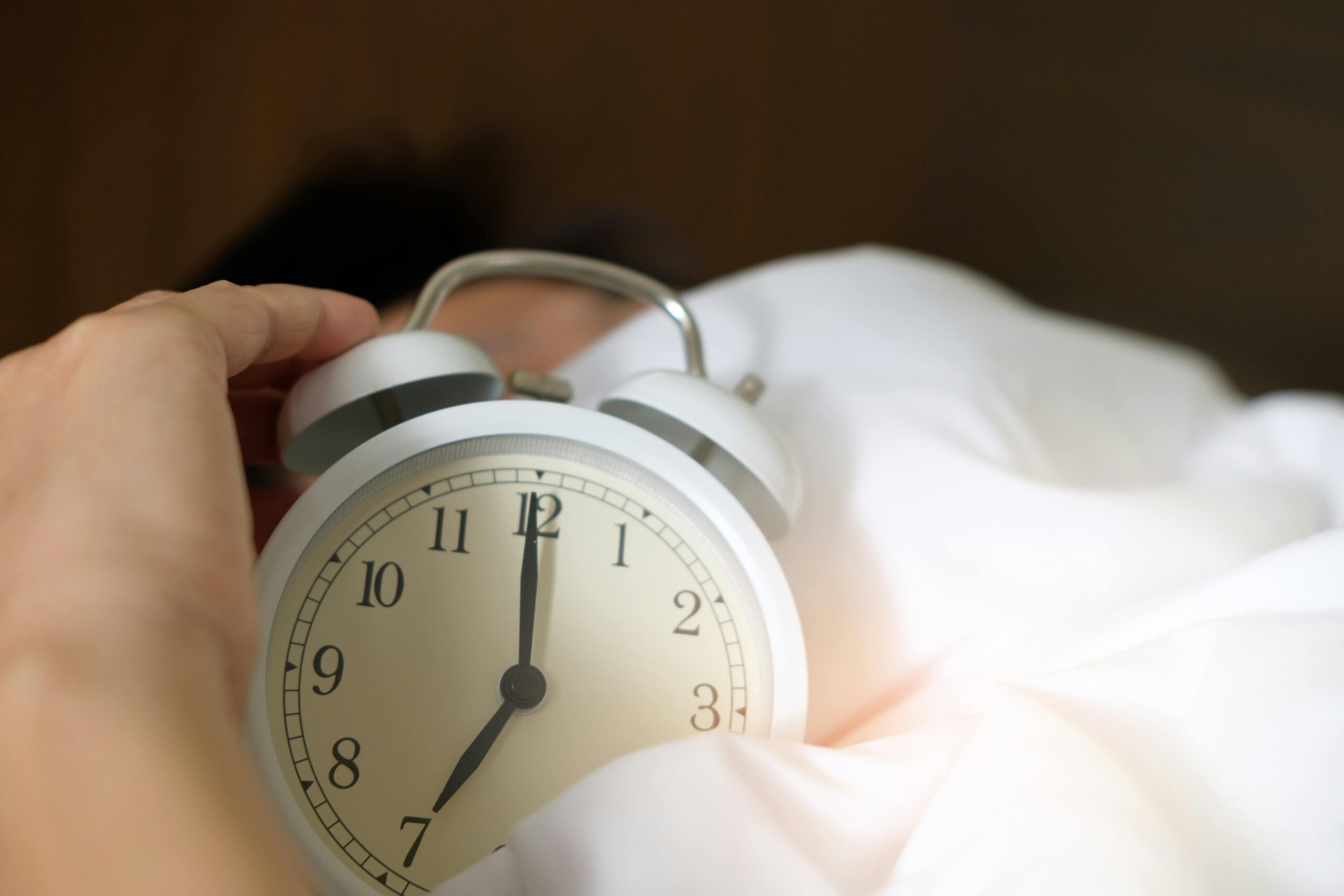
In the fast-paced world of business, sleep is often the first thing sacrificed in the name of productivity. But science – and experience – increasingly shows that consistent, high-quality sleep is not a luxury, but a necessity for decision-making, emotional regulation, creativity, and long-term performance.
Two business leaders shared with MaltaCEOs.mt how their sleep habits impact their lives and work, and why rest is a crucial part of their professional success.
‘If I’m tired, I don’t show up the same way for my team’ – Shelley Brown
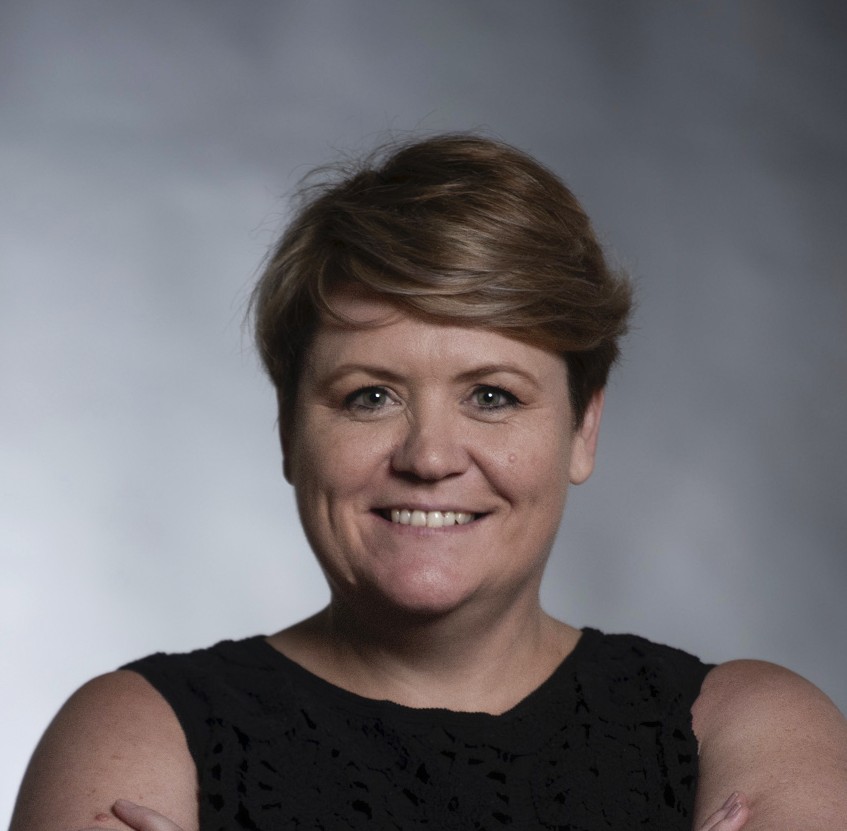
For Shelley Brown, Head of Commercial at Konnekt Talexio, sleep is non-negotiable. A mother of two, she has structured her evening around winding down and avoiding digital distractions.
“I make sure that my phone goes on DND [Do Not Disturb] at 9pm,” she explains, noting that this helps her avoid being pulled into work or social messages that could disrupt her wind-down routine. “After the girls go to bed, I do a quick catch-up on my personal content, but I try most days to switch it to DND.”
Her nightly ritual includes reading fiction before bed – a conscious choice that helps disconnect from the day. “It takes me away from reality and allows me to move away from the daily thoughts,” she says. “I generally fall asleep easily.”
Ms Brown follows a consistent bedtime schedule, going to bed around 9.30pm and waking up at 5.30am. “It’s rare that I stay up late,” she says. Even on weekends, she maintains the same routine, though she allows herself a bit more sleep in the morning.
While she doesn’t adjust her sleep ahead of a particularly big day, the quality of her rest has a noticeable effect. “It is extremely important for me to have a well-rested night,” she says. “Although I can focus and make decisions, consistent non-sleeping can cause me to lose my focus and I’m not as productive. I definitely don’t show up for my colleagues and team in the same way if I am tired.”
‘Less than six hours means I need a power nap’ – Mihkel Stint
Mihkel Stint, Managing Director of Binderr, takes a different but equally deliberate approach. While his sleep window is relatively short – he sleeps from around 01:30 to 07:30 – he falls asleep within five minutes of hitting the bed and uses naps to make up for any shortfall.
“Less than six hours of sleep at night means I need to do a power nap during the day,” he says, capping these naps at a maximum of one hour. If he doesn’t get enough rest, he notices immediate effects: “My words become slower and I’m more prone to being emotion-driven – reaction time also goes down.”
His nightly routine includes several deliberate habits. He avoids alcohol entirely, doesn’t eat for at least four hours before bed, and avoids caffeine after 18:00. Interestingly, he does use screens until the moment he falls asleep, often listening to news about war or the economy as a kind of meditative practice while multitasking with creative or planning work.
Before a big day, Mihkel says he’s prone to rumination – something many professionals can relate to. His strategy to avoid this? Rigorous preparation during the day, and sometimes, a workout before bed to “expand my last remaining energy.”
Sleep fuels success
Both Ms Brown and Mr Stint’s experiences are backed by decades of scientific research. According to the World Health Organization and the Centers for Disease Control and Prevention, adults need at least 7 hours of sleep per night for optimal health and functioning. Yet many professionals fall short of this benchmark, often underestimating the toll sleep deprivation takes on their performance.
Lack of sleep doesn’t just affect memory and reaction time – it also compromises emotional control, decision-making, and even moral judgement. A 2021 Harvard Business Review article noted that sleep-deprived leaders are perceived as less charismatic and more irritable by their teams.
On the other hand, sleep is a powerful cognitive enhancer. Deep sleep helps consolidate memory, sharpen problem-solving, and foster creativity. In fact, some of the world’s most successful CEOs – from Jeff Bezos to Arianna Huffington – publicly credit their success to prioritising rest.
While there is no one-size-fits-all approach to sleep, the testimonies of Ms Brown and Mr Stint show that high performers take their rest seriously – even if their methods differ. Whether it’s an early bedtime and a book, or a late-night wind-down followed by daytime naps, understanding your body’s needs and crafting a routine around them is key.
Ultimately, sleep is not the enemy of productivity. It’s one of its most powerful enablers.

Game Lounge’s Maria De Martino nominated for ‘Best Newcomer of the Year’ at Malta iGaming awards
Dr De Martino has been with the company for 7 years.
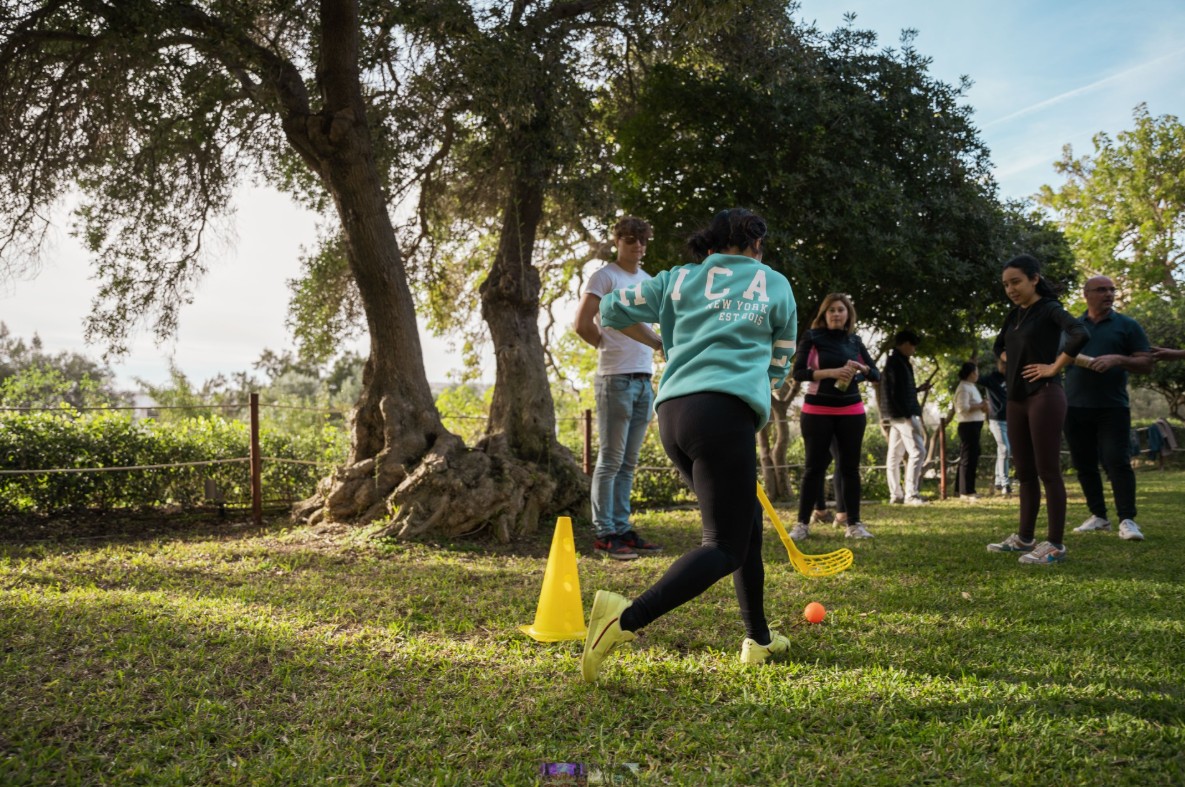
Start strong: Why the Phoenicia Malta is the ideal setting for your 2026 kick-off meeting
For CEOs and business leaders planning their 2026 strategy, The Phoenicia Malta is the home of team events that launch ...
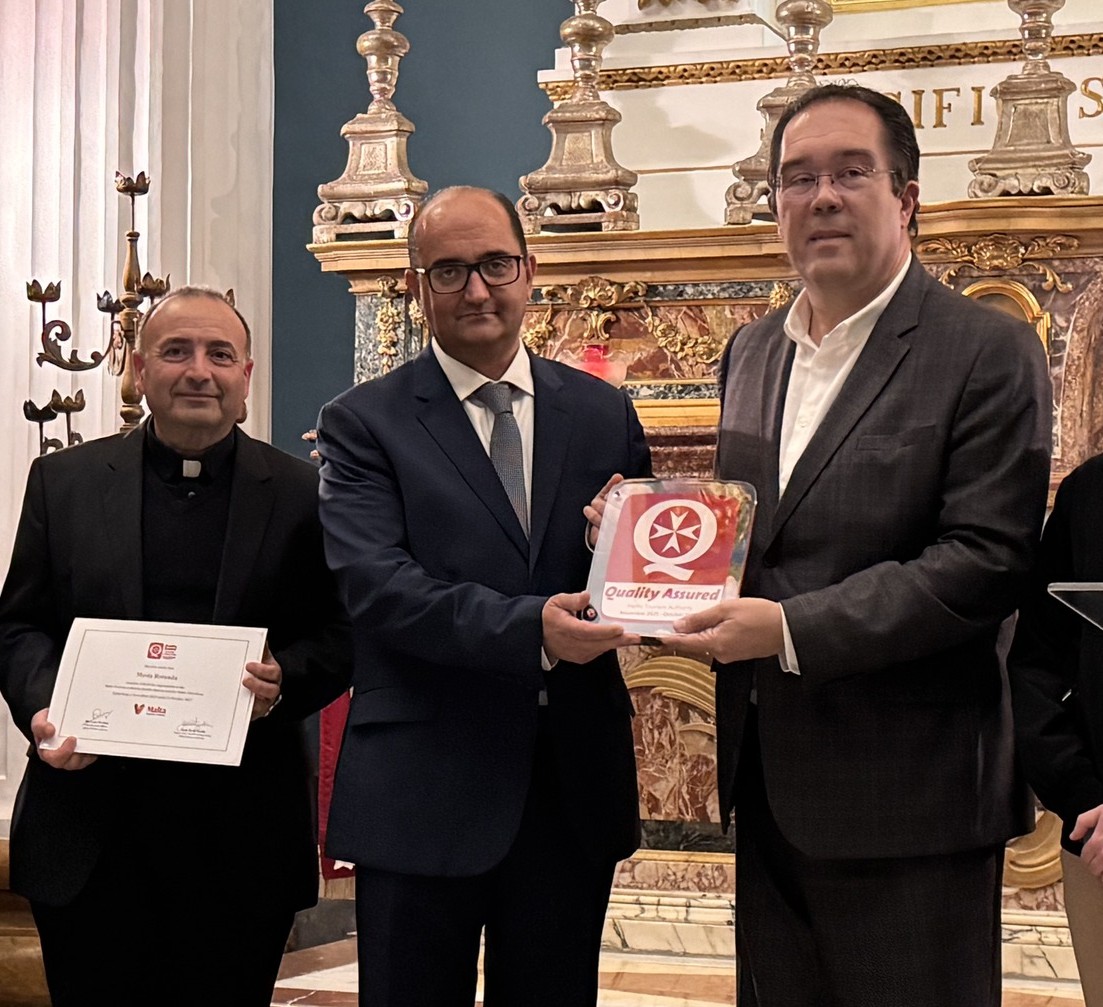
Volunteers and staff ‘keep national treasure shining bright,’ says Mosta Rotunda Foundation CEO
The Mosta Rotunda Foundation has been awarded the Quality Assured Seal.
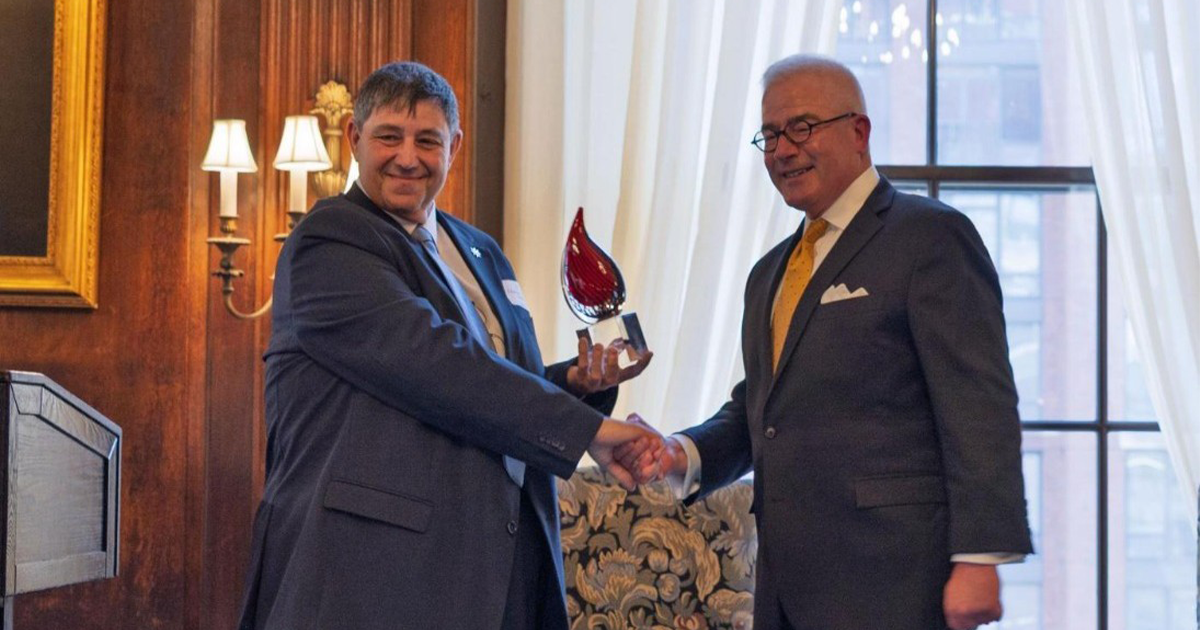
MFSA Chairman honoured in New York with IFNY Free Enterprise Award
The award is one of the international insurance sector’s most respected honours.
