


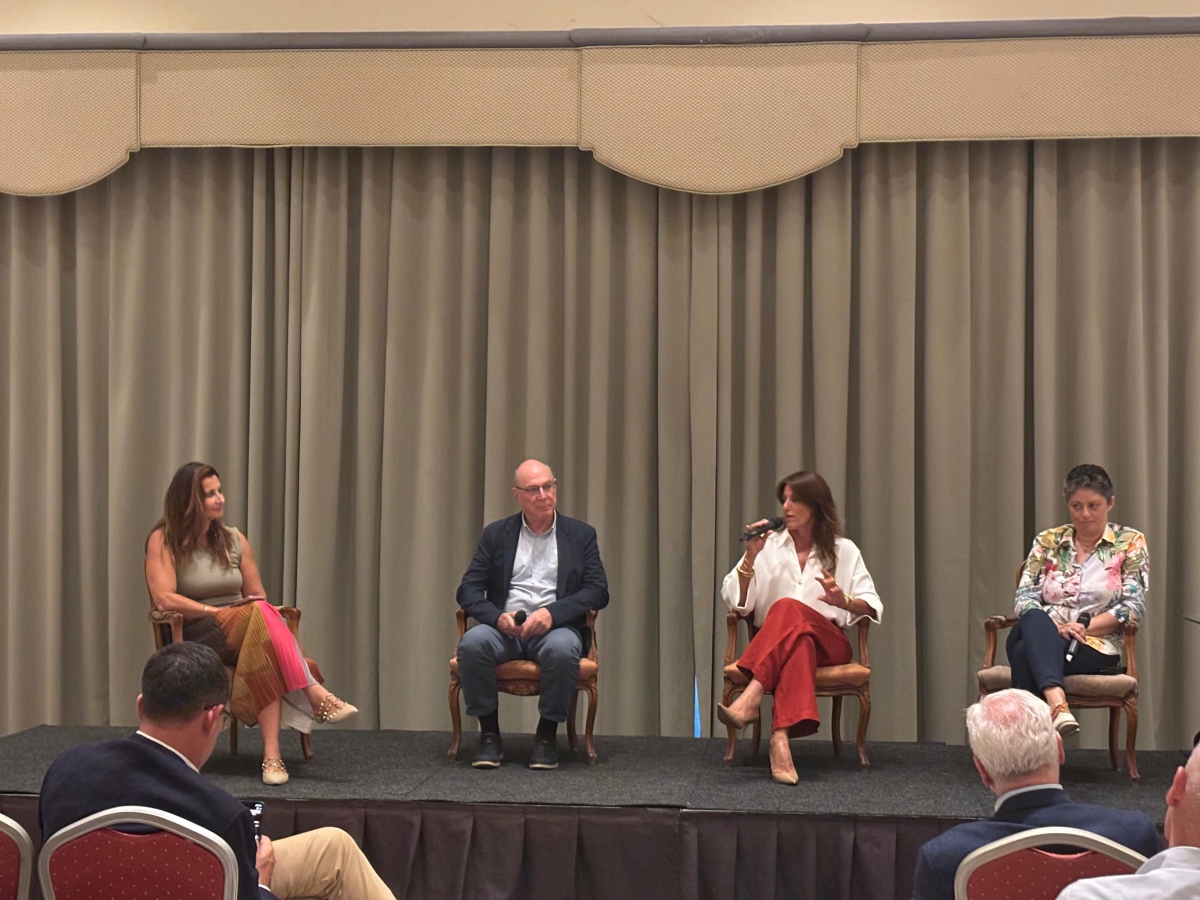
CEOs and business owners must look beyond glittering CVs when appointing board directors and instead focus on the skills to challenge constructively and add value, panellists said during the Malta Business Network’s latest event on the evolving boardroom.
The discussion, held in collaboration with the Directors Chapter of the Institute of Financial Services Practitioners Malta, explored how boards can keep pace with increasingly sophisticated executive teams while maintaining independence and good governance.
Moderated by Fabianne Ruggier, the session offered practical guidance for CEOs and Chairs on structuring boards and appointing directors who bring integrity, curiosity, and future-ready thinking to governance.
Ms Ruggier warned that boardroom conversations are increasingly being “taken over by compliance requirements,” leaving less space for strategic dialogue and heightening the tension with the C-suite.
The panellists also agreed that many boards risk being consumed by compliance requirements at the expense of strategy.
“Too often, by the time governance and regulatory matters are covered, boards are exhausted when strategy finally comes to the table, and that is wrong,” warned Etienne Borg Cardona, an experienced Non-Executive Director, who emphasised the importance of reclaiming balance.
Marisa Xuereb, an NED and former president of the Malta Chamber, highlighted the challenge of relying solely on management reporting: “Boards risk missing the most pressing issues facing a company if they get bogged down in metrics.”
She noted that structured strategy days or direct staff engagement could offer valuable perspectives, especially in family-owned businesses.
Alexia Farrugia, who sits on the boards of a number of regulated entities, underlined the need for directors who bring a mix of experience and fresh perspective. “An effective board needs both the seasoned hand and the younger outlook,” she said, adding that companies must avoid appointing “yes people” and instead ensure directors challenge constructively.
Diversity, independence, and strong chairmanship were also identified as critical ingredients of effective boards.
Mr Borg Cardona noted that while boards once consisted mainly of retired bankers, lawyers, and accountants, today’s governance demands a broader range of skills and personalities, and a Chair able to manage them.
The panel also agreed that modern NEDs must be prepared to invest significant time, embrace continuous learning, and offer candid input.
“The days of directorship being an easy job are over,” Ms Xuereb said. “You don’t want rubber-stampers… you need people who have the time and headspace to add real value.”
The event, supported by the Institute of Financial Services Practitioners Malta, formed part of the Malta Business Network’s monthly series of panel discussions bringing together leaders, experts, and policymakers to debate the country’s most pressing business issues.


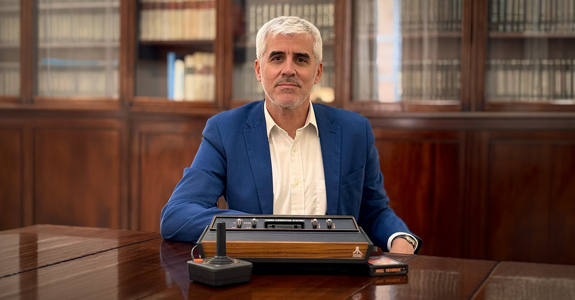
Fenech & Fenech Advocates appoints Antonio Ghio as Chief Innovation and Technology Officer
Antonio Ghio is an IT Law expert and has been with the firm for the past 25 years.
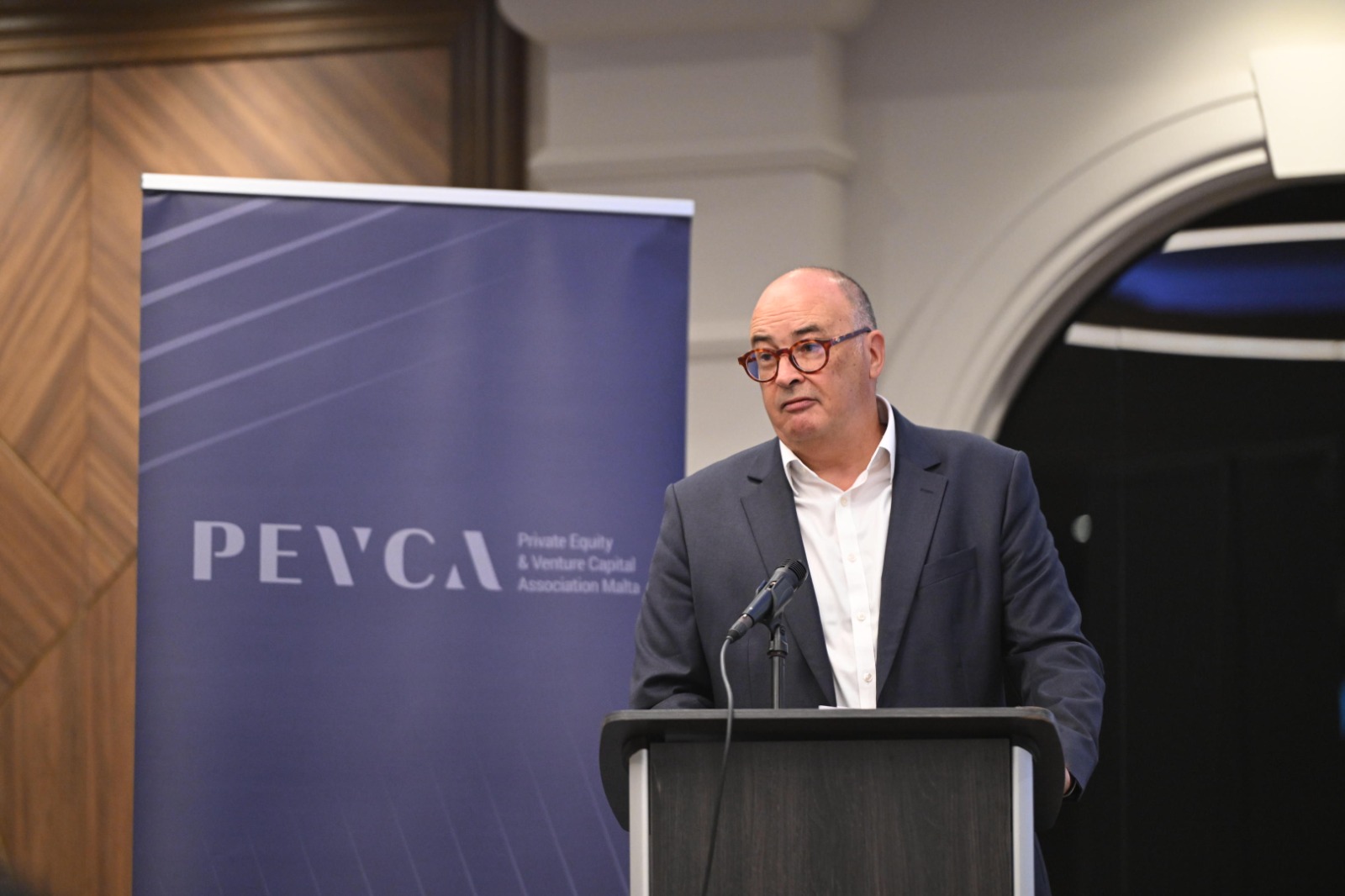
‘Considerable potential’ for Malta to develop as a private equity and venture capital hub – PEVCA head
He said that private equity and venture capital play a vital role in modern, innovation-driven economies.
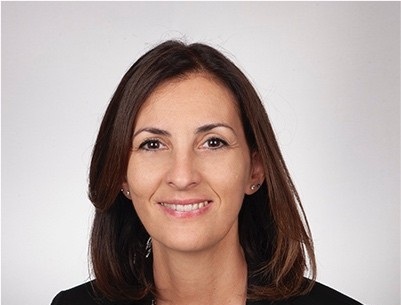
Nancy Pavlaki appointed Chief Financial Officer at Ramla Bay Resort
Prior to taking up the post, she worked in a number of financial positions in the hospitality industry.

Kyle Antoni Pace Cumbo appointed Chief Commercial Officer at Iniala
'I’m incredibly excited about what comes next,' he said.
