



Businesses that claim education is a priority must examine who actually receives training within their organisations, ensuring that entry-level employees can access learning opportunities as readily as managers, according to Alexei De Bono, Chief Operating Officer at IDEA Group.
Speaking during the Business in Malta Conference 2026, Mr De Bono emphasised the importance of investing in existing workforces while fostering workplace cultures where employees feel safe to speak up and offer constructive feedback. As job roles shift across industries, he identified critical thinking and adaptability as essential skills that should be developed at every level of a company.
His call to invest in internal talent came alongside broader discussions at the conference regarding Malta’s labour market competitiveness, EU funding uptake, and the need for SMEs to anchor grant applications in clear business strategies.
Global competition for skilled talent
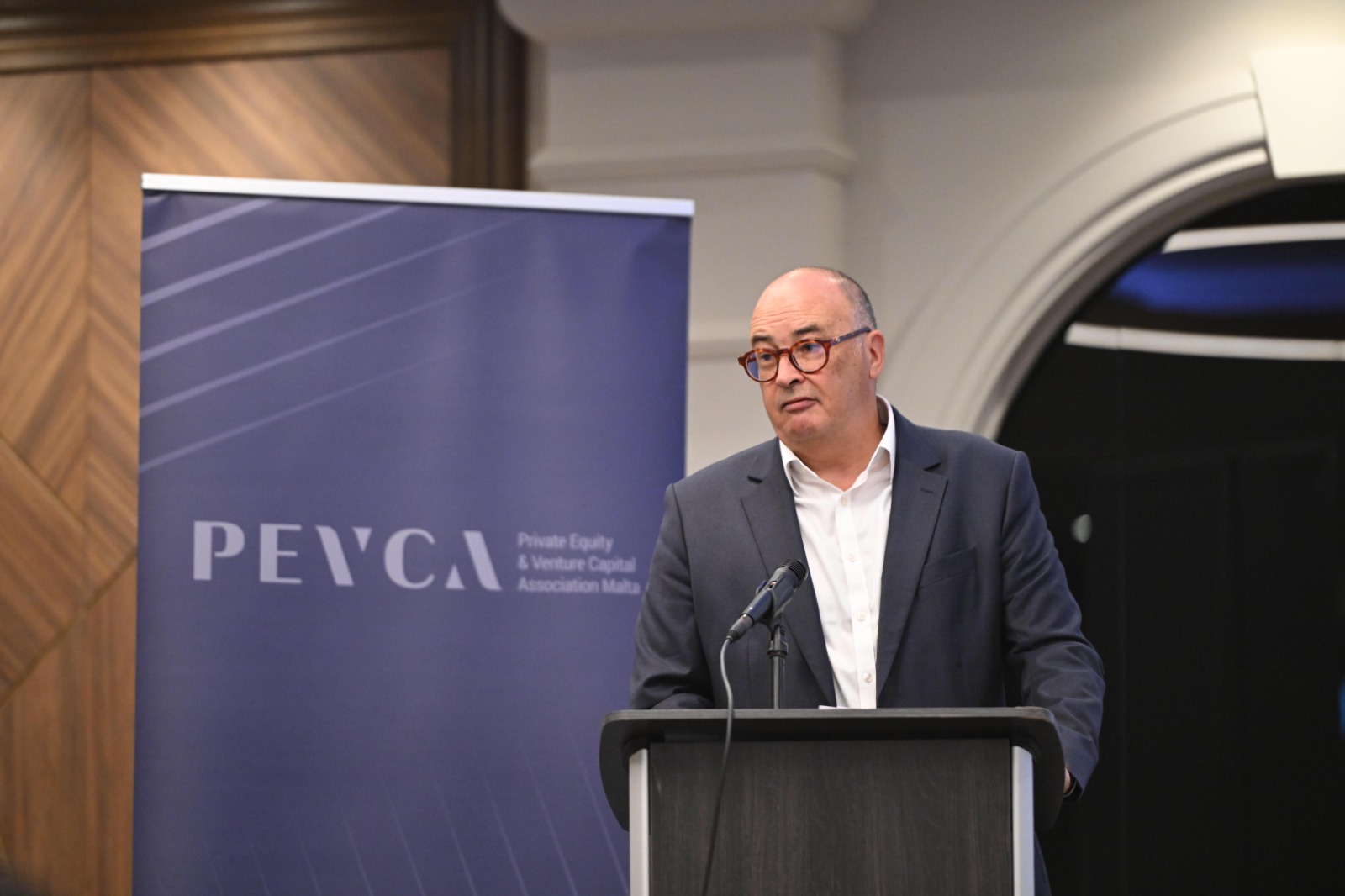
Addressing recruitment pressures, OZO Group CEO Fabio Muscat noted that Maltese employers are competing well beyond the island’s shores for skilled workers – particularly third-country nationals – who closely weigh how much of their salary they can take home compared to offers abroad.
Mr Muscat placed the hiring challenge within the context of rising operating costs, which have already forced some European businesses to scale back or close. He urged policymakers to monitor measures introduced by competing jurisdictions when timing and designing labour migration policies. He also called for stronger, tech-driven enforcement, suggesting authorities leverage artificial intelligence to target compliance checks rather than relying heavily on physical workplace inspections.
Strategy before grants
Across two panel sessions, funding experts and business leaders repeatedly stressed that financial aid must follow commercial planning, not dictate it.
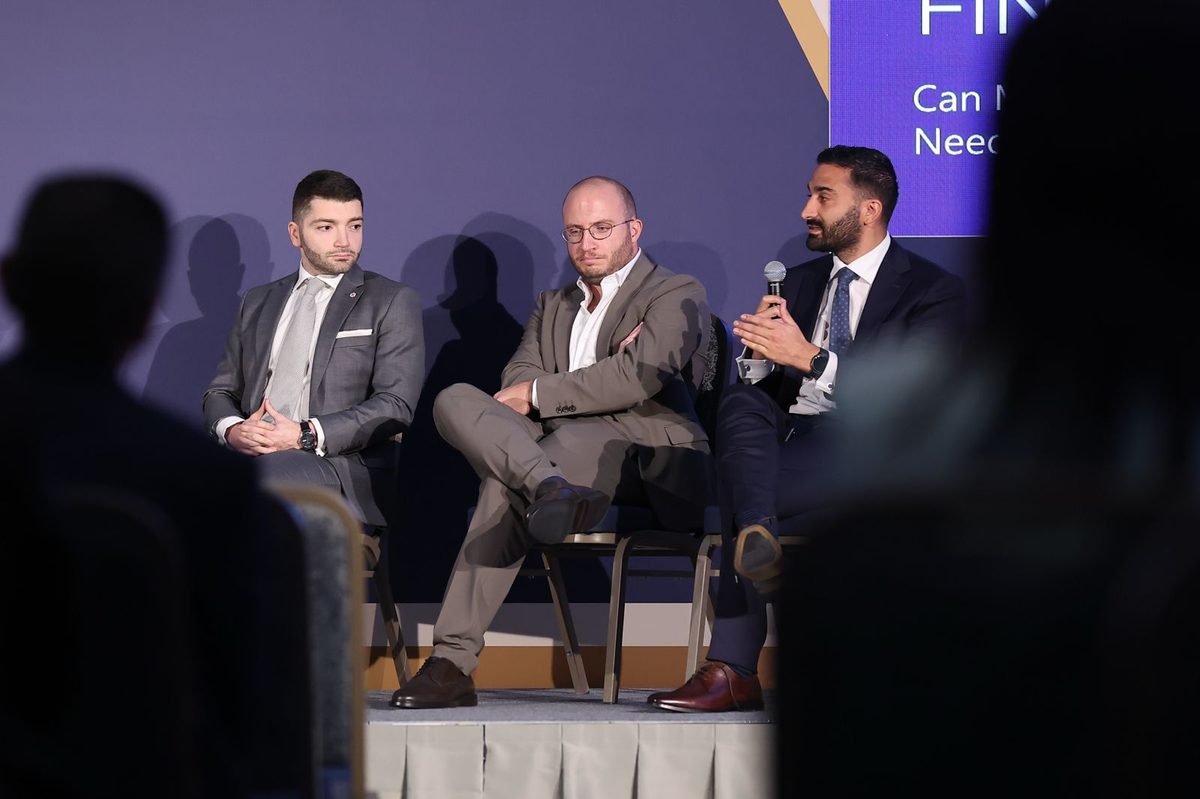
"What does a business want to achieve, and which scheme can help it get there? First come the strategy and then come the schemes," said Rachel Camilleri, Senior Manager for Entrepreneurship and Funding at the Malta Digital Innovation Authority (MDIA), during a panel moderated by Times of Malta Business Editor James Cummings.
Using the Digitalise Your SME scheme as an example, Ms Camilleri explained that applicants must clearly demonstrate how a proposed investment will boost productivity or add value. She also pointed to MDIA’s 10 per cent top-up for priority digitalisation investments, advising companies to factor in adequate lead times for proposal preparation, approvals, and project implementation.
Shaun Vella Bonello, EU Funding Specialist at PwC Malta, echoed the call for strategic planning while warning that Malta is trailing other EU member states – including fellow small nation Cyprus – in tapping into programmes managed directly by the European Commission, such as Horizon Europe and Digital Europe. Contrasting these with locally administered options like the SME Enhance scheme, which provides cash grants for machinery and equipment, he urged firms to plan ahead around their specific investment priorities.
Navigating support, banking, and compliance
Paul Abela, President of the Malta Chamber of SMEs, noted that business owners often struggle to identify relevant schemes as both their operational needs and available incentives evolve – from MicroInvest to digitalisation support. Highlighting that entrepreneurship in Malta has expanded well beyond traditional family businesses, he encouraged founders to seek tailored guidance from Business First or the Chamber’s advisory team, noting that the investment needs of a small firm differ significantly from those of a larger enterprise.
From a financing perspective, Bank of Valletta (BOV) Head of Product Development Mark Scicluna Bartoli said grants should be viewed as one component of a wider funding mix alongside equity and traditional finance, guided by a company's business model and investment scale. Addressing past frustrations over account-opening delays, Mr Scicluna Bartoli added that BOV onboarding times have fallen significantly over the past year following streamlined internal processes, extensive anti-money laundering upgrades, and investments in digitalisation and cybersecurity.
Finally, Geoffrey Buhagiar, Senior Analyst in the Malta Business Registry’s Intelligence Management Unit, outlined how the upcoming Malta Business Wallet aims to cut red tape. Evolving from a digital document repository into a single application, the platform will allow companies to store compliance records and authorise direct access for banks and public authorities whenever documentation is requested.
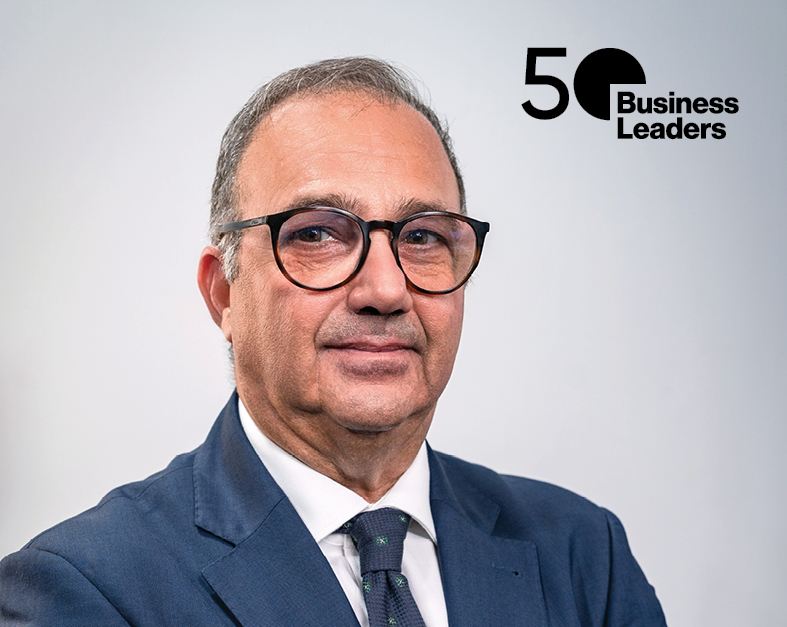


Peter Spiteri joins WH as Chief of Corporate Services Transformation
He will focus on strategic development, business growth and the continued enhancement of services available to corporate and private clients.
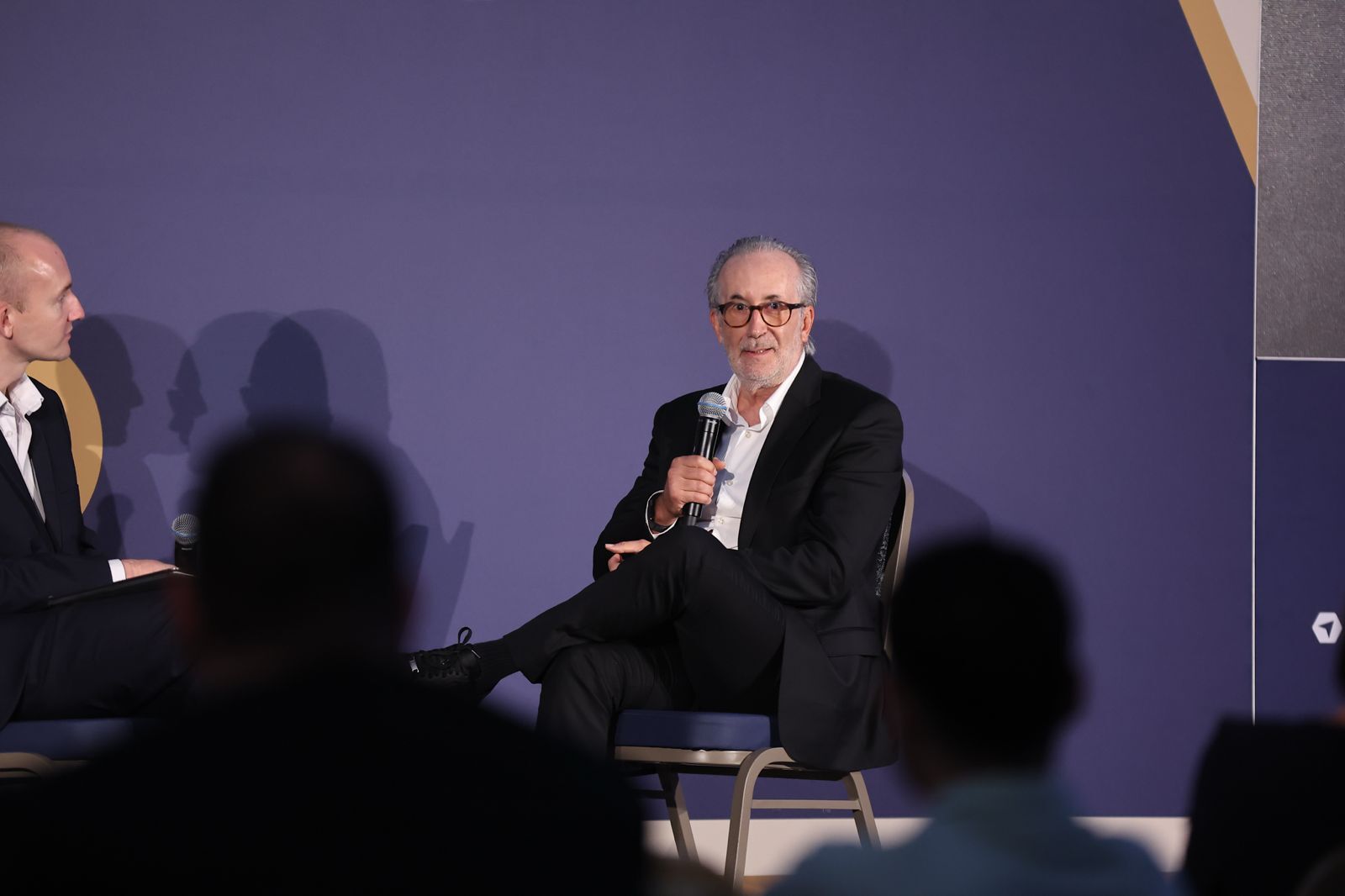
Alfie Borg sees potential for Malta to become an export hub for Africa and Europe
He advised businesses to study their competitors, understand local pricing and familiarise themselves with the laws that will govern their ...

Andrew Vella Zarb appointed CEO of Alberta Fire & Security
He joined Alberta in 2025, initallly serving as COO and Deputy CEO.
From two routes to 53: MIA CEO praises Ryanair’s 20-year journey in Malta
Ryanair entered the Maltese market 20 years ago, initally with two flights to and from Luton and Pisa.
