



For any family-run business, welcoming a new generation into its leadership brings both continuity and change. Decades of experience and relationships shape the business being inherited, while changing markets create pressure to keep moving forward.
At Ferraracasa, that next chapter is taking shape through the family’s third generation. Hannah and Beppe Francica bring their own perspectives to different areas of the business, from customer experience and operations to digital transformation.
Their challenge is familiar to many multigenerational family businesses in Malta: how do you build on what previous generations created without losing the qualities that allowed the business to endure?
Building on the legacy of a family business
Joining an established family business brings a different challenge to building one from the ground up. The foundations already exist, together with an identity shaped by previous generations.
For Hannah and Beppe, this means understanding what should remain at the heart of Ferraracasa while identifying where there is room to evolve.
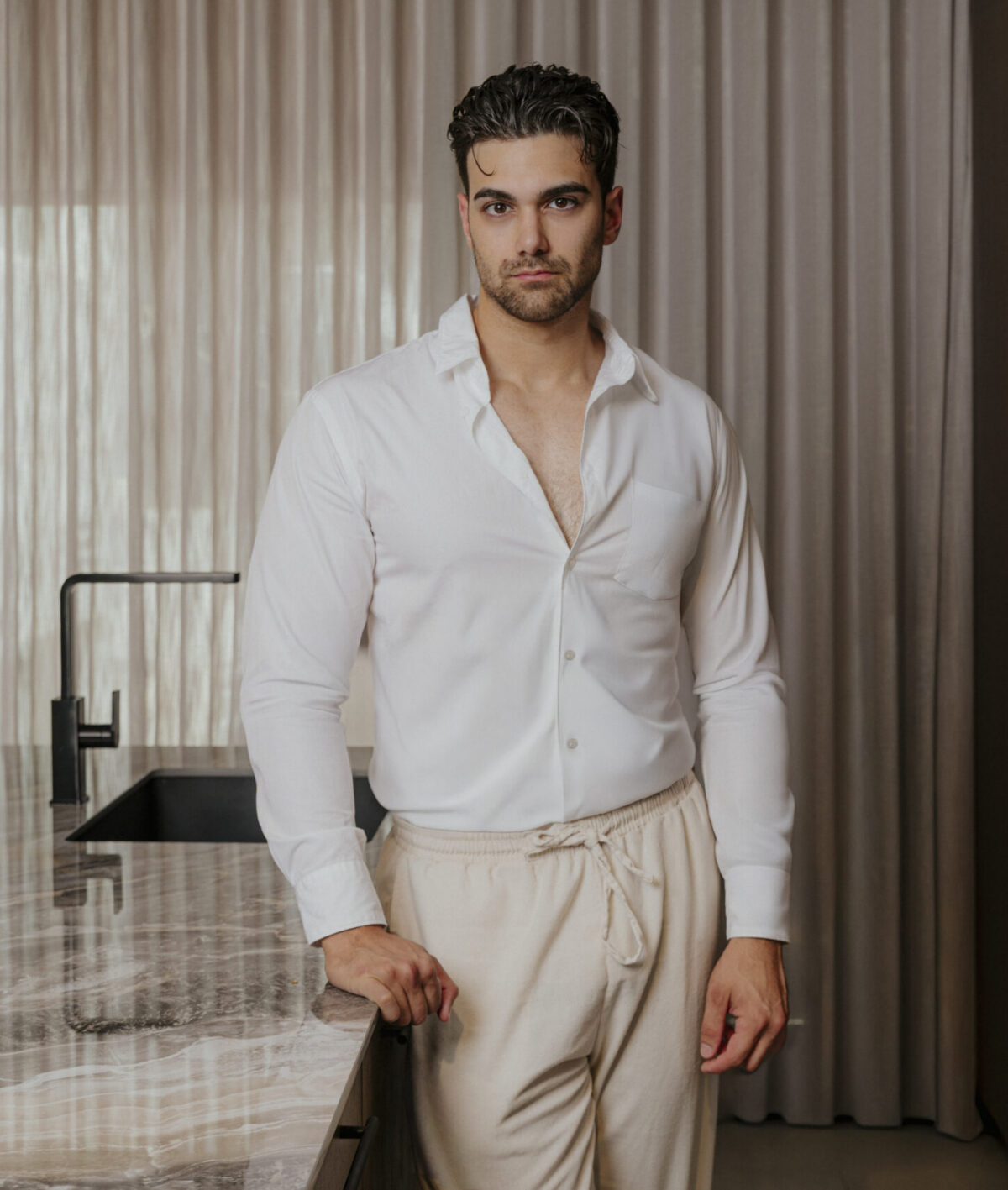
Their responsibilities begin in different parts of the business. As co-director, Hannah is closely involved in the showroom, day-to-day operations, customer experience and oversight of aftersales. Beppe’s focus is more closely tied to logistics, from purchase through to delivery and installation.
Towards the latter stages of the customer journey, however, their responsibilities increasingly come together. Delivery, installation, communication and aftersales require both sides to work closely, giving the siblings shared responsibility for ensuring the experience promised in the showroom continues into the customer’s home.
Finding strength in the family-business model
Being family-run also brings organisational challenges. Responsibilities may not always sit behind the rigid departmental boundaries found in more traditionally structured companies. While fewer layers can be perceived as a weakness, Ferraracasa also sees an opportunity in that flexibility.

For customers, it can mean less bureaucracy. Rather than being passed between departments, the emphasis is on finding a solution regardless of who within the company they first speak to.
That sense of family extends beyond those who share the Francica name. The wider team shares responsibility towards the customer, helping maintain the personal character of a family business as Ferraracasa grows.
For Hannah, greater responsibility carries another dimension: establishing her own place as a woman within the next generation of the business, in a traditionally male-dominated industry. Carrying the family name may create an opportunity, but credibility still has to be built through involvement in the everyday realities and decisions of the company.
Balancing change with the human element
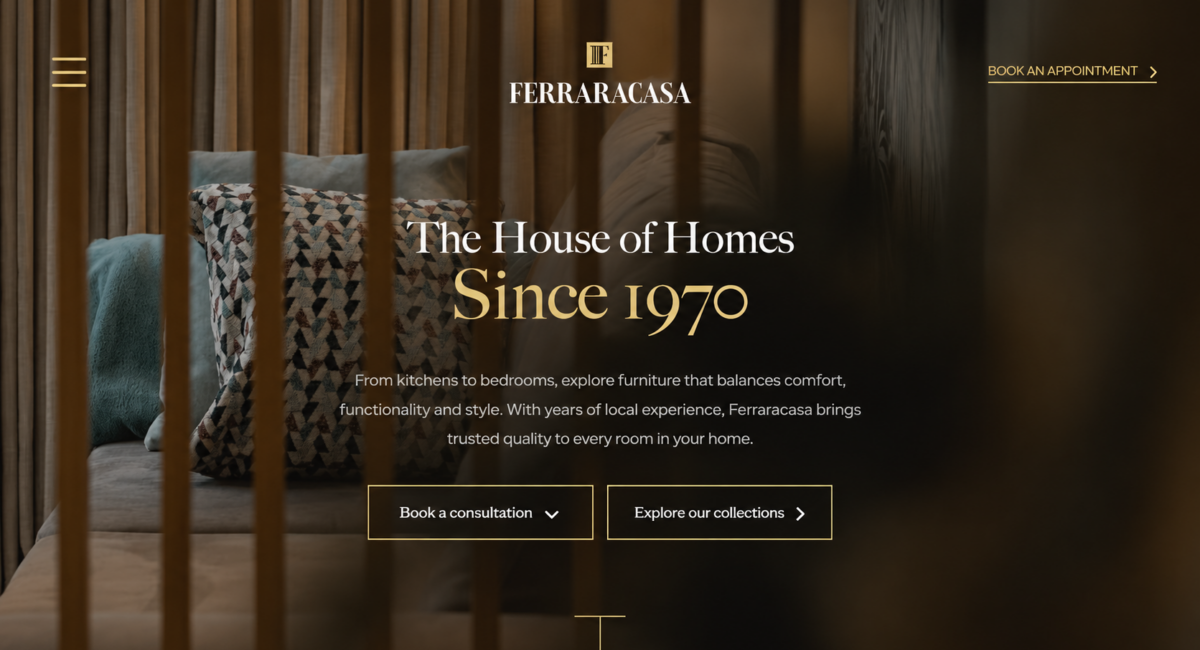
Ferraracasa’s evolution is also visible in its approach to technology. Its wider digital transformation, including a redesigned website, reflects the challenge of knowing when tradition remains an advantage and when change becomes necessary.
Artificial intelligence is becoming part of that conversation. As AI creates opportunities to improve efficiency and support processes, the question is not simply how much technology a business can adopt, but where it genuinely adds value.
"AI does make us more efficient, but efficiency doesn't replace the human connection we value so much. We want to use AI to support our people, not replace the relationships that sit at the heart of our business,” Hannah Francica said.
For Ferraracasa, the human element remains an essential part of the experience. Furnishing a home is personal, involving conversations around lifestyle, priorities, space, and investment. Technology can support and enhance that journey, but understanding customers and building trust are rooted in human judgement, interaction, and connection.
This is why Ferraracasa continues to place such importance on personal interaction and meaningful relationships with its customers. The challenge is not choosing between technology and people, but understanding where each contributes most effectively and how they can work together to create a better experience.
Investing in Ferraracasa’s next chapter
Generational differences inevitably influence that evolution, from decisions around brands and marketing budgets to where future investment should be directed. Rather than treating those differences as conflict, Ferraracasa combines decades of experience with new perspectives on where to invest and grow.
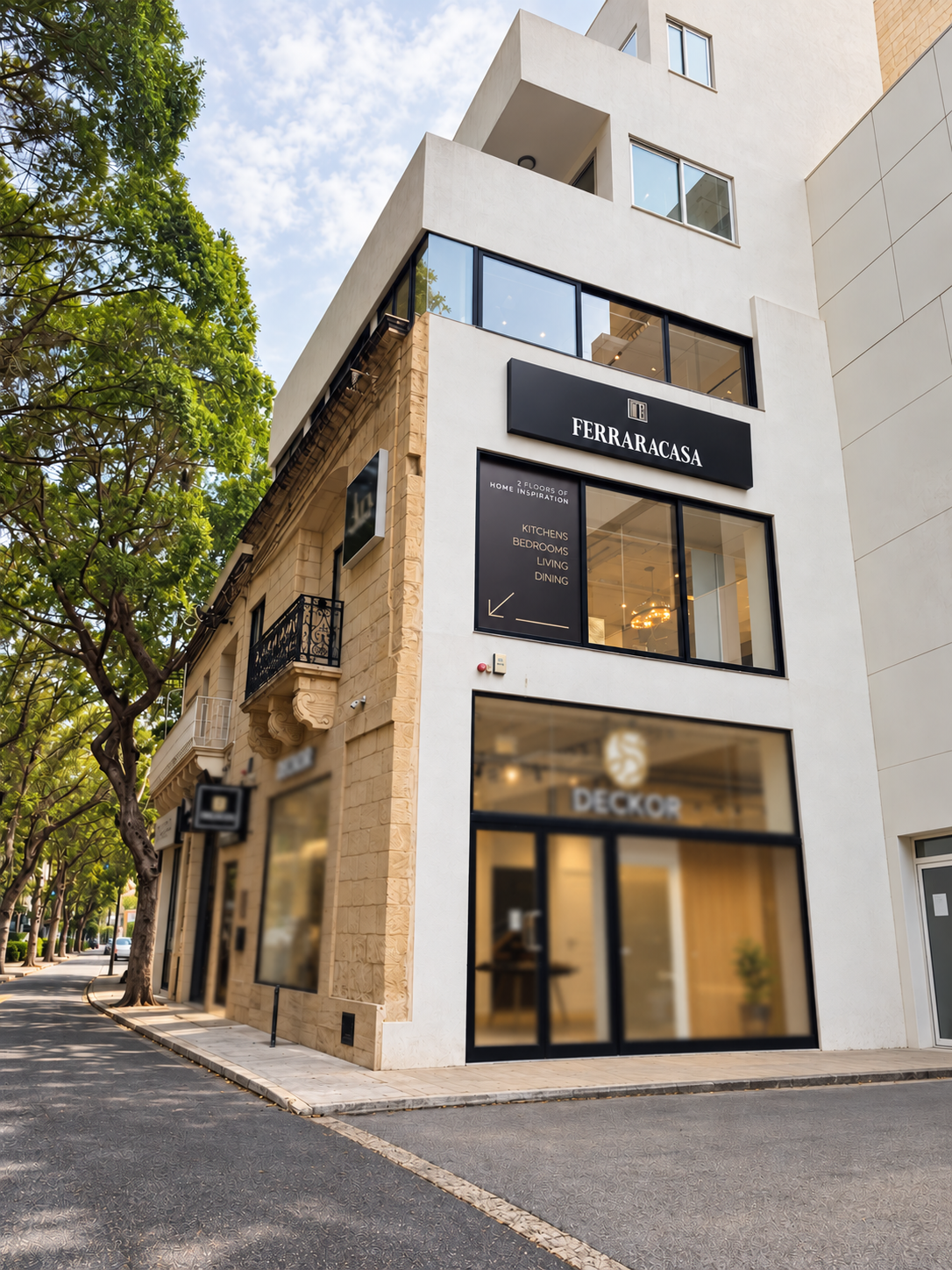
That growth is not limited to one direction. The company continues to explore opportunities to develop both its physical presence and digital capabilities as the market evolves.
For Hannah and Beppe, the opportunity is not simply to inherit what previous generations created, but to contribute to what Ferraracasa becomes next.
For Ferraracasa, its third generation therefore represents both continuity and change: another chapter in the family story, but one Hannah and Beppe are increasingly helping to write themselves.


Two masterpieces, one remarkable instrument
Michael Pantalleresco explores the poetry, passion and brilliance of the clarinet in works by Mozart and Weber.
‘A setting we couldn’t be prouder of’: db CEO on Hard Rock Hotel’s new rooftop restaurant
Cyana’s head chef is Spiros Tzilis, a Greek chef who has worked at Michelin-starred restaurants.

‘AI might be faster and cheaper, but at what cost?’ – Aramis Capital MD
He warns that businesses risk sacrificing service quality, human judgement and accountability in their pursuit of greater efficiency through artificial ...
‘We’re already late’: Employers chief calls for cross-party mass transport agreement
Through cross-party agreement, the solution will endure beyond individual legislatures, he explains.
