

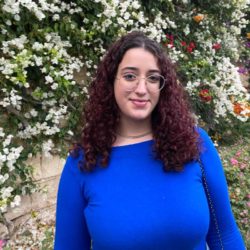
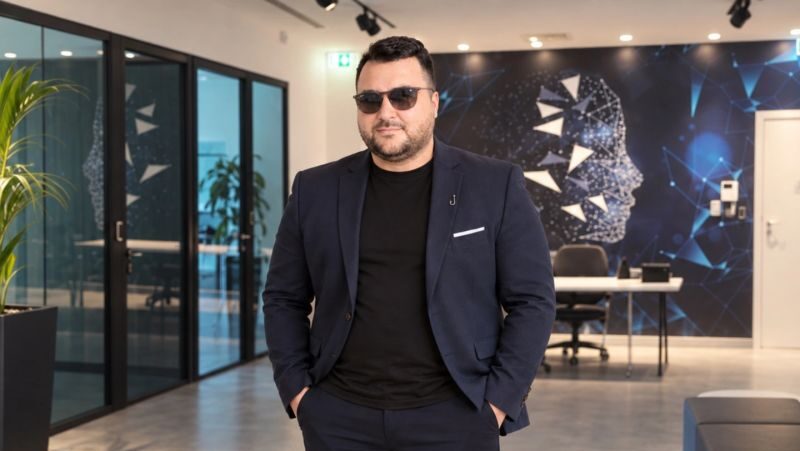
For the Director of Innovation Enablement at the Malta Digital Innovation Authority (MDIA) Bernard Montebello, Bell’s palsy arrived suddenly on 14th February 2026, affecting not only the movement in his face but something far less tangible: the way he recognised himself.
“Eight months ago, I lost my smile,” he tells MaltaCEOs.mt. “Bell’s palsy came suddenly, and with it came something I had never really experienced before – looking in the mirror and not fully recognising the expression looking back at me.”
At first, his attention naturally turned to the physical effects: smiling, speaking, eating, closing his eyes and carrying out everyday tasks most people rarely have reason to think about.
But as the weeks passed, Mr Montebello realised that recovery would require much more than physical rehabilitation.
“Very quickly, you realise that recovery is also mental,” he says.
For someone whose professional life involves meeting people, working with entrepreneurs and regularly taking to the stage, the condition presented another challenge. Yet rather than retreat from public-facing work while recovering, he made a conscious decision to continue.
Over the following eight months, he remained active in his role at MDIA, continued working closely with Malta’s technology and startup community, and participated in more than seven speaking engagements as a speaker and moderator.
That did not mean it was easy. “Standing on a stage when you are very conscious that your smile is not the same is not easy,” he admits.
“Your facial expressions are part of how you communicate, and there were certainly moments when I wondered whether people were looking at my face rather than listening to what I was saying.”
Still, he kept turning up. “And every time I did, it became a little easier.”
Behind those public appearances was a much quieter battle. His recovery has involved treatment, exercises, physiotherapy, consistency and, perhaps most difficult of all, patience.
Progress did not arrive as one dramatic turning point. Instead, it appeared through small changes that gradually became victories in their own right.
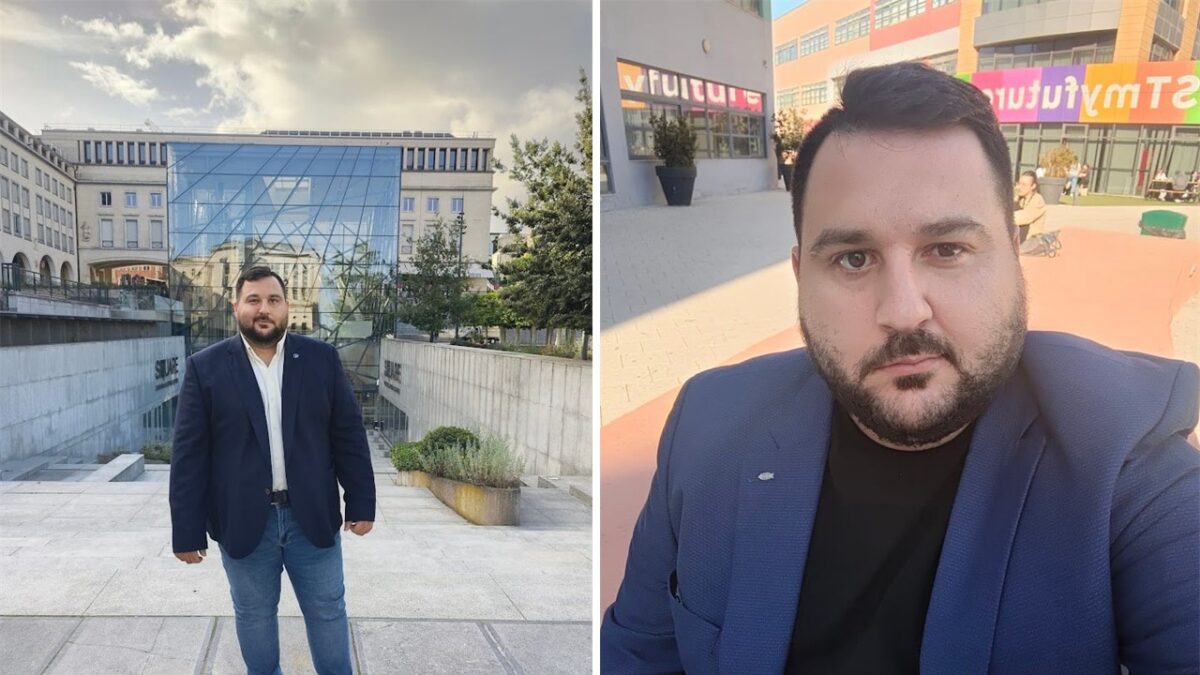
“A little more movement. A stronger expression. A photograph where your smile looks slightly more like your own again,” he says.
“You realise that recovery is rarely one big moment. It is hundreds of small ones.”
The experience has also reshaped Mr Montebello’s understanding of resilience – a word frequently used in leadership and business, but one which took on a deeply personal meaning during his recovery.
Where he once associated resilience with simply pushing forward and refusing to stop, he now sees it in the quieter acts of perseverance.
“Resilience is showing up when you do not completely feel like yourself. It is doing the exercises again when progress feels slow. It is continuing to be present for your family, your colleagues and the people around you while quietly working on yourself in the background.”
Work gave him focus, but another outlet emerged too: art.
Painting became a space where recovery temporarily stopped occupying centre stage.
“For a few hours, there was no recovery timeline, no pressure and no concern about how my face looked. There was simply a canvas in front of me,” he says.
“In many ways, it became a form of therapy.”
The experience has also changed his relationship with something as seemingly ordinary as a smile.
“A smile sounds like a small thing until you temporarily lose it,” he reflects. “Then you realise how much of your personality, confidence and connection with other people is contained within it.”
Eight months on, Mr Montebello is clear that his recovery is not yet complete. He remains in physiotherapy and continues to work towards regaining further movement.
But neither has he put the rest of his life on hold while waiting for that recovery to finish.
He continues to take to the stage, work within Malta’s digital innovation landscape, engage with startups and entrepreneurs, create art and remain present for those around him.
“My smile has gradually been coming back, but perhaps the biggest lesson has been that resilience is not about waiting until everything is perfect before you start living again,” he says.
“It is about continuing to show up while you are still healing.”
For leaders, it is a reminder that resilience does not always look like unwavering confidence, relentless productivity or having everything under control. Sometimes it is much less visible. Sometimes, it is continuing with the work while confronting something difficult in private. Sometimes, it is accepting that progress will be slow. Sometimes, it is learning how to do ordinary things all over again, and sometimes, as Mr Montebello puts it, “just showing up is already a victory.”
“I would like to thank my wife and family for their constant support, my work colleagues and friends that I found as support through my journey,” he says.
Eight months after losing his smile, Mr Montebello is gradually getting it back. But the journey has left him with something else too: a different understanding of what it means to keep going when life does not slow down for you.
The Convenience Shop appoints Martin Brant as Chief Operations Officer
Martin Brant joined in July 2026 as Senior Operations Manager, overseeing an estate of more than 100 stores.
‘Growth comes from being willing to take calculated risks’
Darren Ciantar, founder and CEO of Ciantar Group, traces the ambitions, opportunities and uncertainties that have helped shape the enterprise.
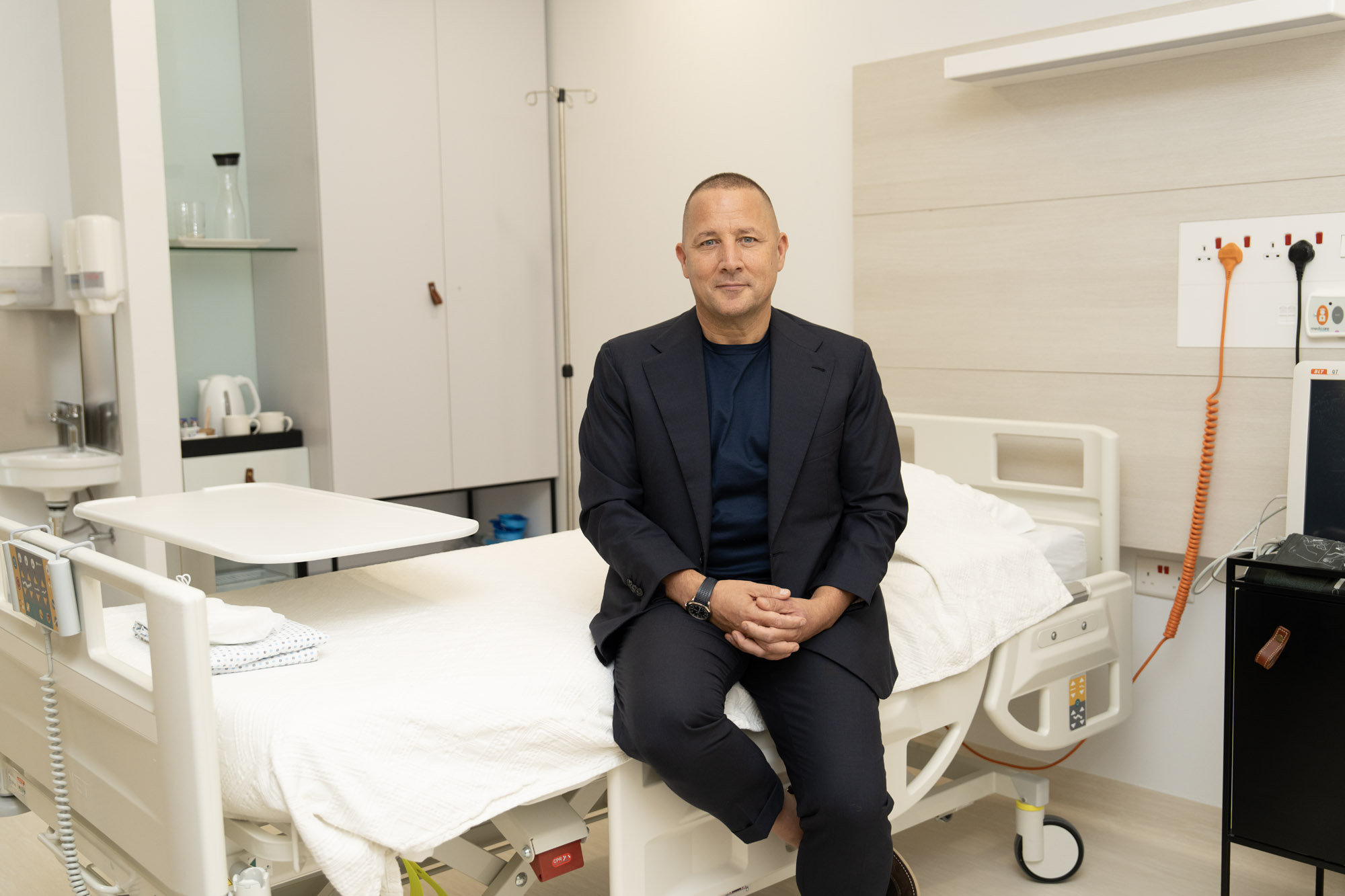
Saint James Hospital CEO calls for introduction of tax subsidies for people who buy health insurance
It would encourage more people to take up private cover, which in turn would reduce pressure on state hospitals, he ...

Legal certainty and targeted AI incentives among business priorities for Budget 2027
Andreas Ditsche and Jordan Bonello Gauci speak with MaltaCEOs.mt ahead of Monday's budget.
