


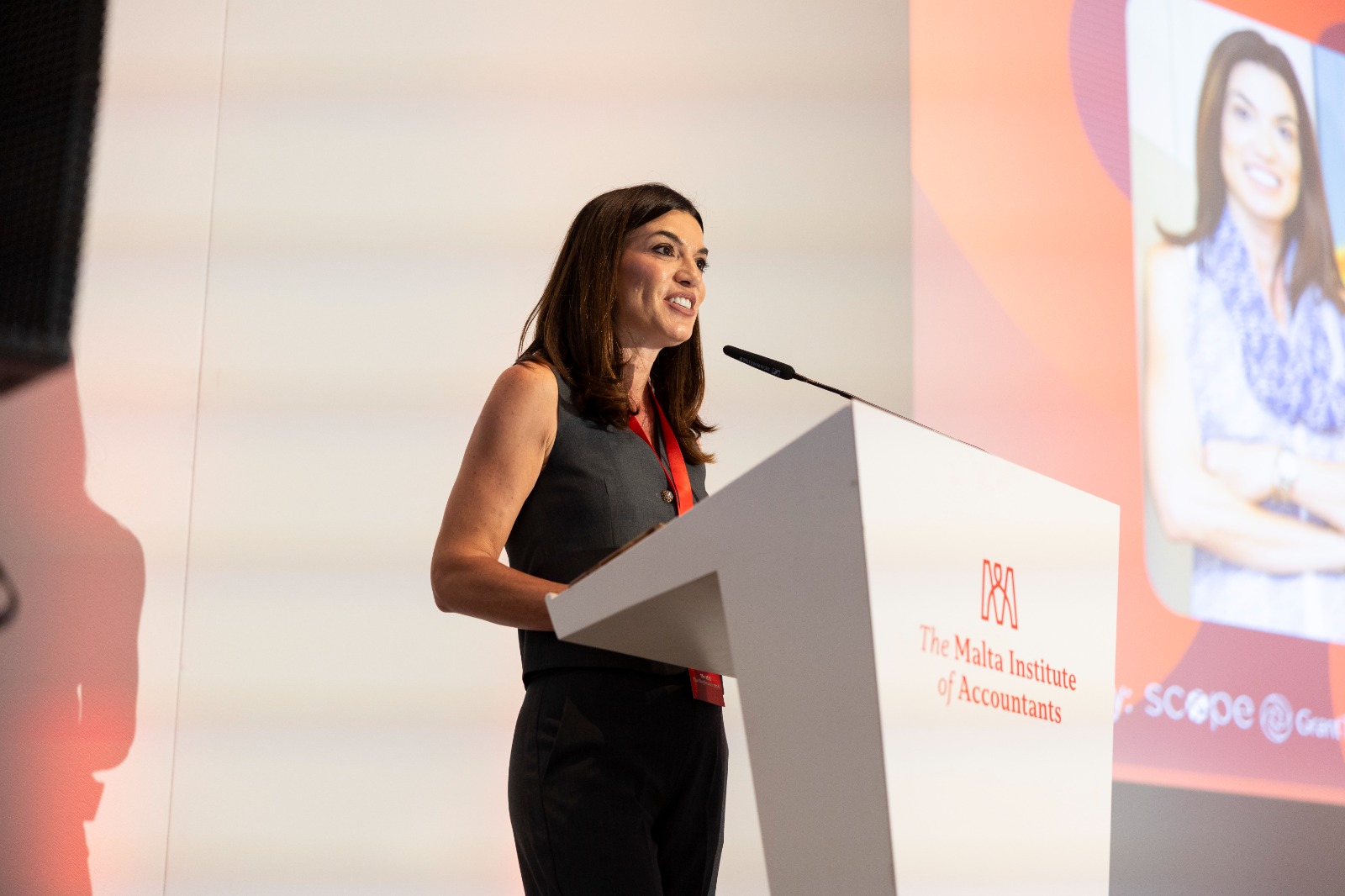
Malta must place greater emphasis on productivity, skills and investment to strengthen its international competitiveness, rather than relying primarily on tax incentives, according to Malta Institute of Accountants (MIA) CEO Maria Cauchi Delia.
Speaking at the MIA Annual Tax Conference, Ms Cauchi Delia stressed that digitalisation, automation and upskilling are essential for Malta to achieve higher-value economic growth.
She also highlighted the importance of addressing housing affordability, living costs and family needs to attract and retain talent.
Regarding tax policy, Ms Cauchi Delia identified certainty, proportionality and collaboration as key principles for maintaining a credible and transparent tax system.
She called for clearer rules, consistent interpretation and reforms that reduce administrative burdens without compromising Malta's international obligations.
Ms Cauchi Delia also addressed the Budget 2027 measures affecting third-country nationals (TCNs). While acknowledging Government's objectives to improve productivity, she cautioned that automation and skills development require time to deliver results.
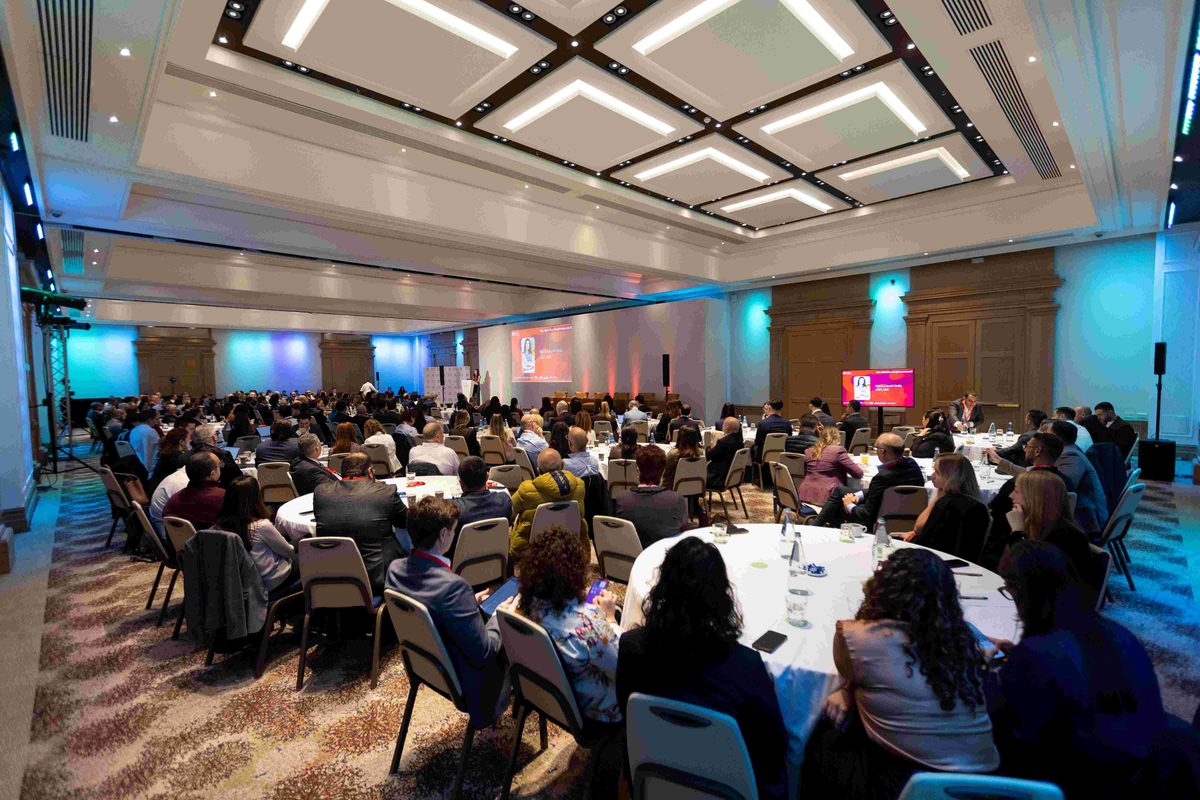
She consequently called for a fair transition that considers the needs of different sectors, supported by clear guidance to protect essential expertise, business continuity and affected workers and families.
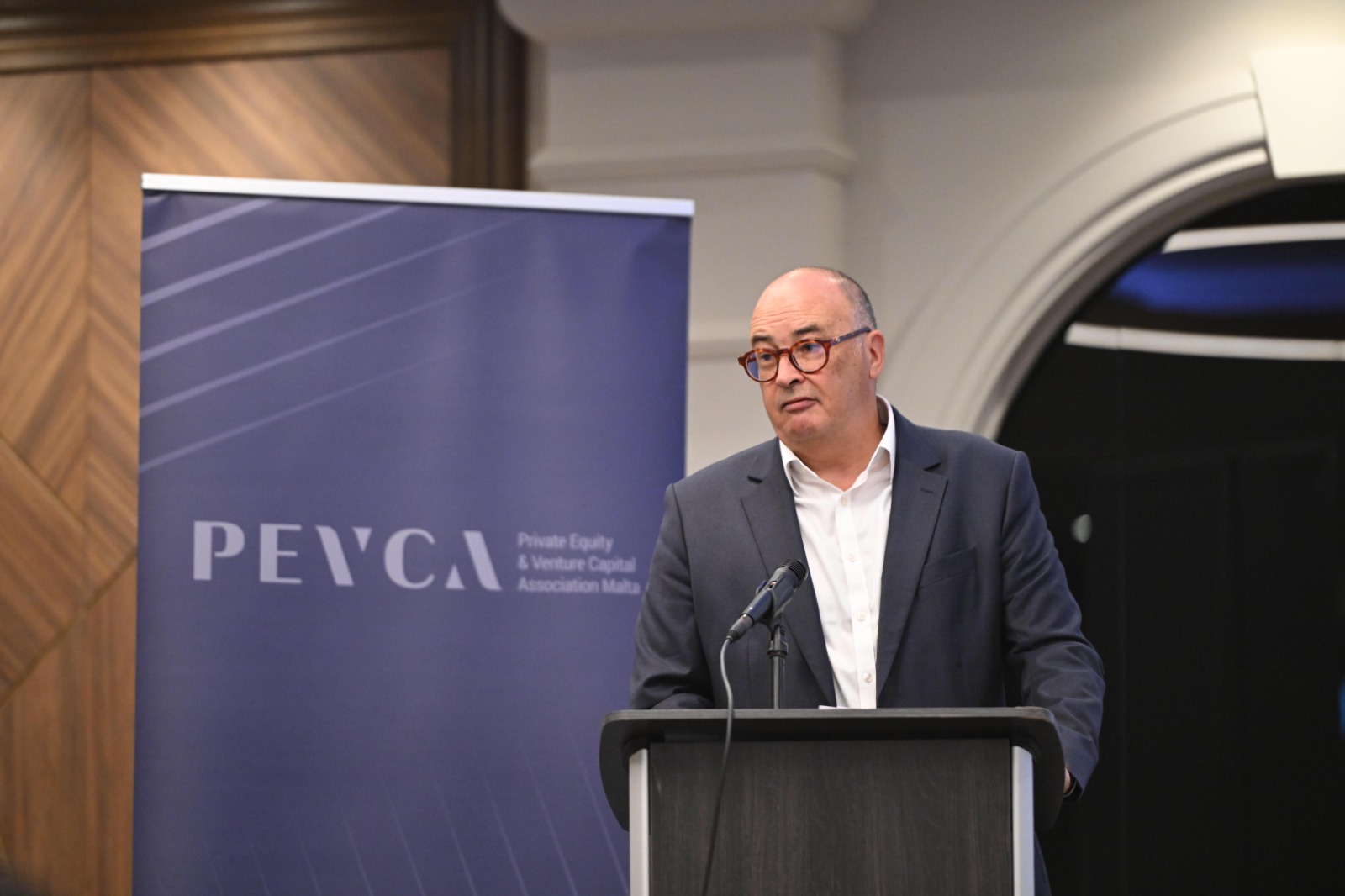
Meanwhile, Commissioner for Tax and Customs Joseph Caruana highlighted the importance of adapting Malta's tax administration to technological developments.
He emphasised the need to involve tax and IT professionals early in the legislative process to ensure new measures are practical and can be implemented effectively.
Mr Caruana also outlined the Malta Tax and Customs Administration's focus on compliance by design, including the use of artificial intelligence to improve compliance systems and simplify reporting.
He stressed that digitalisation should provide practical benefits for both taxpayers and tax administrators.
The conference also featured discussions on Budget measures, transfer pricing, VAT, eco-contributions, gaming-related taxation, electronic invoicing and developments affecting international trade.
In his closing remarks, MIA President Jonathan Dingli emphasised the importance of translating tax legislation into practical outcomes for businesses.
"What matters is how developments translate into practical outcomes. Achieving the right balance between efficiency, compliance and successful implementation requires clear guidance, consistency and expertise. Ultimately, our competitiveness depends on providing businesses with the certainty they need and ensuring they have a clear understanding of their obligations."
He also highlighted the role of accountants in supporting businesses with regulatory changes and strengthening dialogue between the profession and authorities.
The conference was held at The Westin Dragonara Resort, with the support of the Malta Tax and Customs Administration.

Related
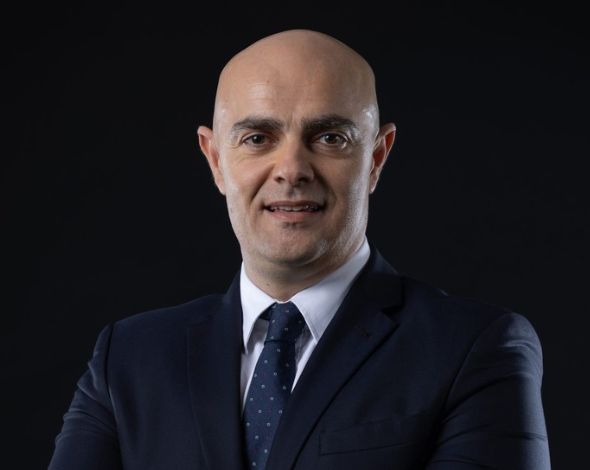
From two routes to 53: MIA CEO praises Ryanair’s 20-year journey in Malta
Ryanair entered the Maltese market 20 years ago, initally with two flights to and from Luton and Pisa.

The daves app is taking 24/7 convenience to another level
daves now is offering its customers a more convenient way to shop.
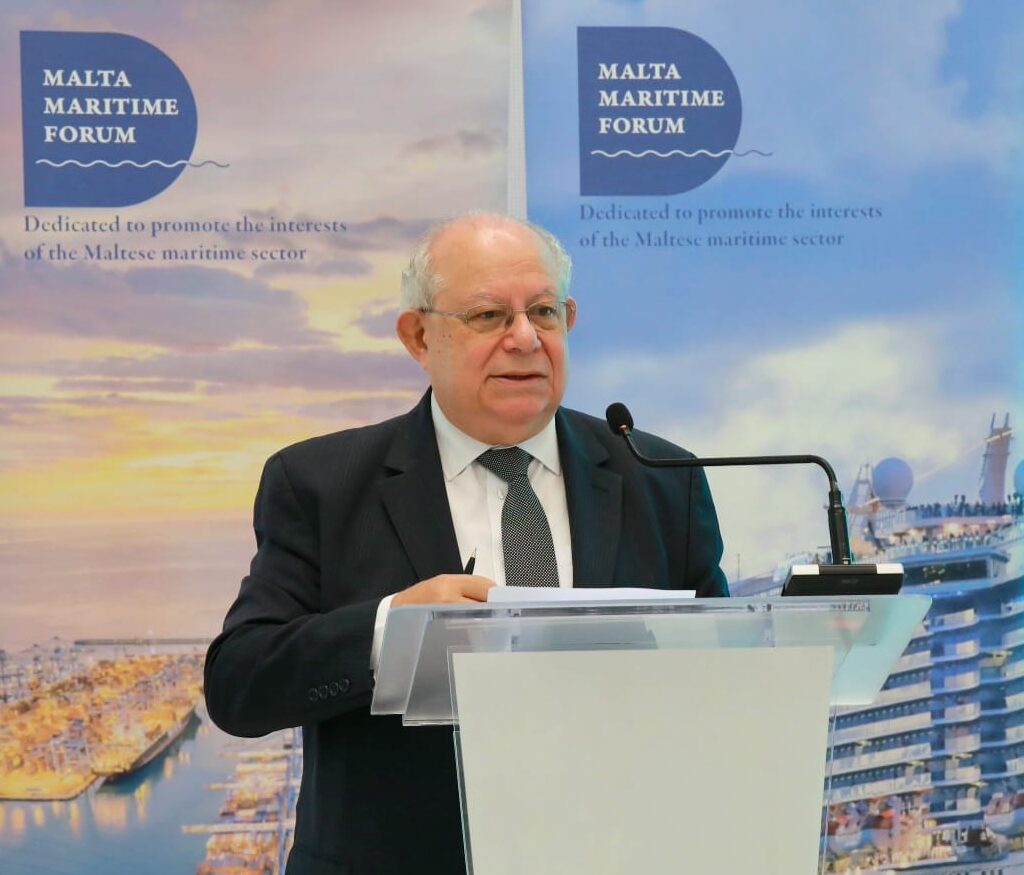
Malta’s maritime sector must look beyond ships and the national register, MMF chairman says
'Next phase of its development must be concerned not only with how much maritime activity passes through', he said
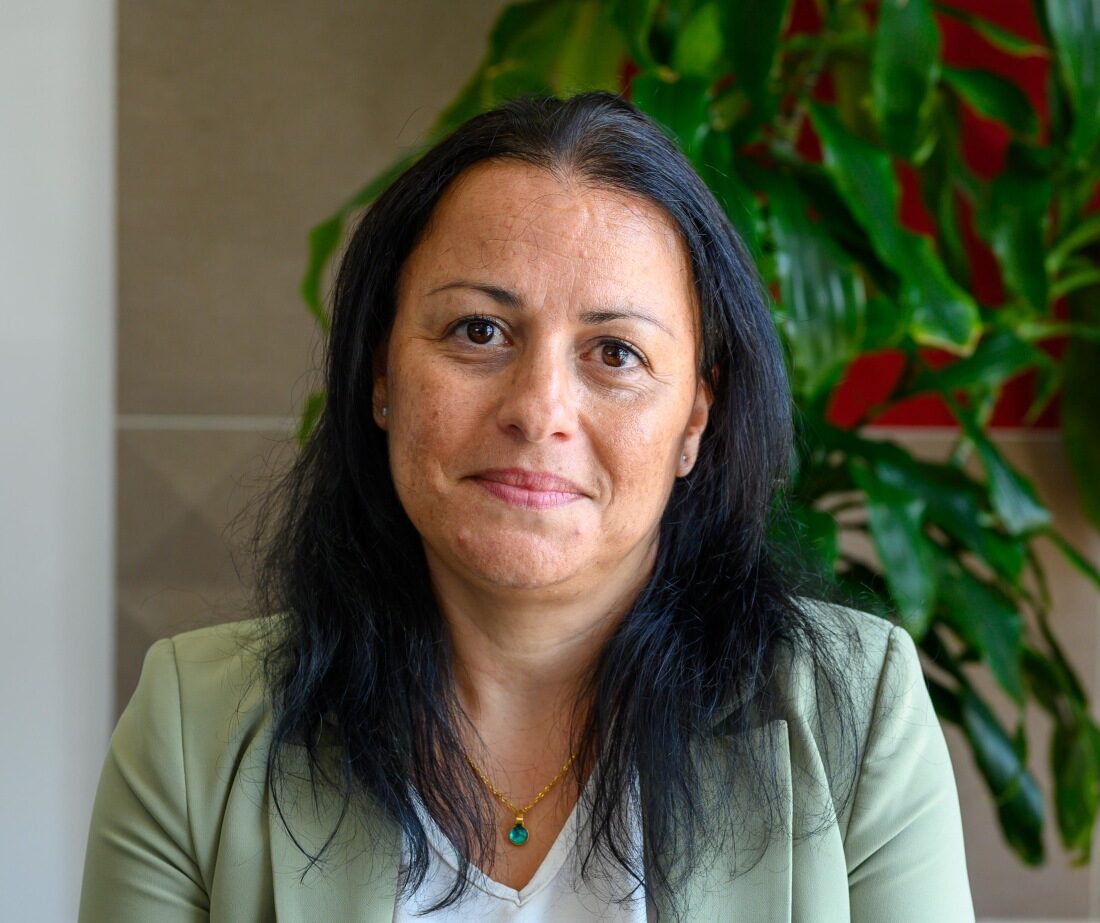
Former BOV Chief Risk Officer Danielle Grima joins Bridge Advice
Danielle Grima draws on her executive and Board-level experience to help financial institutions translate evolving regulatory and supervisory expectations into ...
