


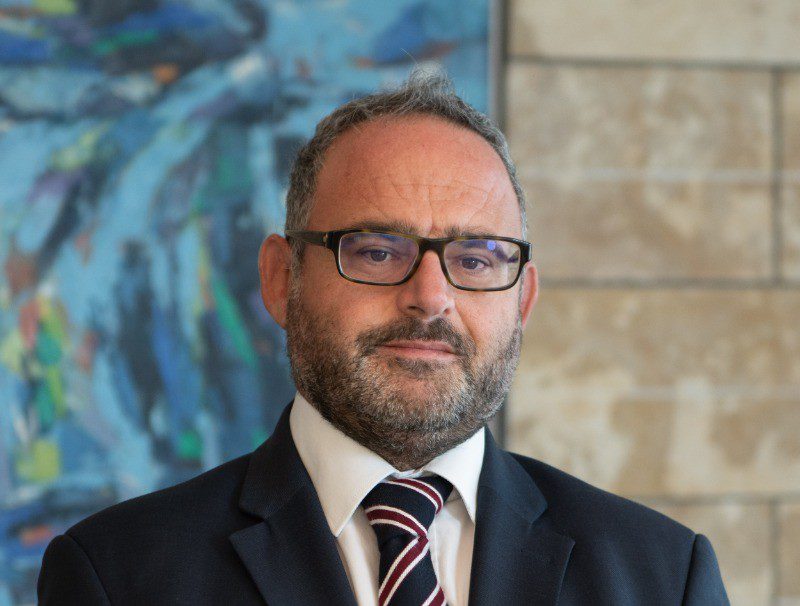
The use of artificial intelligence and automation should be viewed from the perspective of “man and machine”, rather than “man versus machine”, the Director General of the Malta Employers' Association Kevin J. Borg says.
The association has made a number of proposals for the upcoming Budget related to AI, including asking the Government to incentivise the adoption of advanced technology, automation, digitalisation and artificial intelligence in the private sector, and to invest and educate so that the capital and human resource infrastructure is in place to use AI.
Mr Borg and the association’s President, Ivan Refalo, were asked about Artificial Intelligence by MaltaCEOs.mt, and also about workers' fears of being replaced by advancing technology.
Mr Refalo stresses the need to incentivise reskilling. “I’ve seen companies investing in Industry 4.0 without shedding a single employee,” he says.
That came about through training and upskilling. “This is something that needs to be ingrained in the mentality of employers. Helping your employees to reskill and upskill, will ultimately mean better business and a more successful business. This is where employers need to be incentivised to follow that,” Mr Refalo says, referring to Government incentives. Following that, businesses can then re-engineer to make more use of technology, he adds.
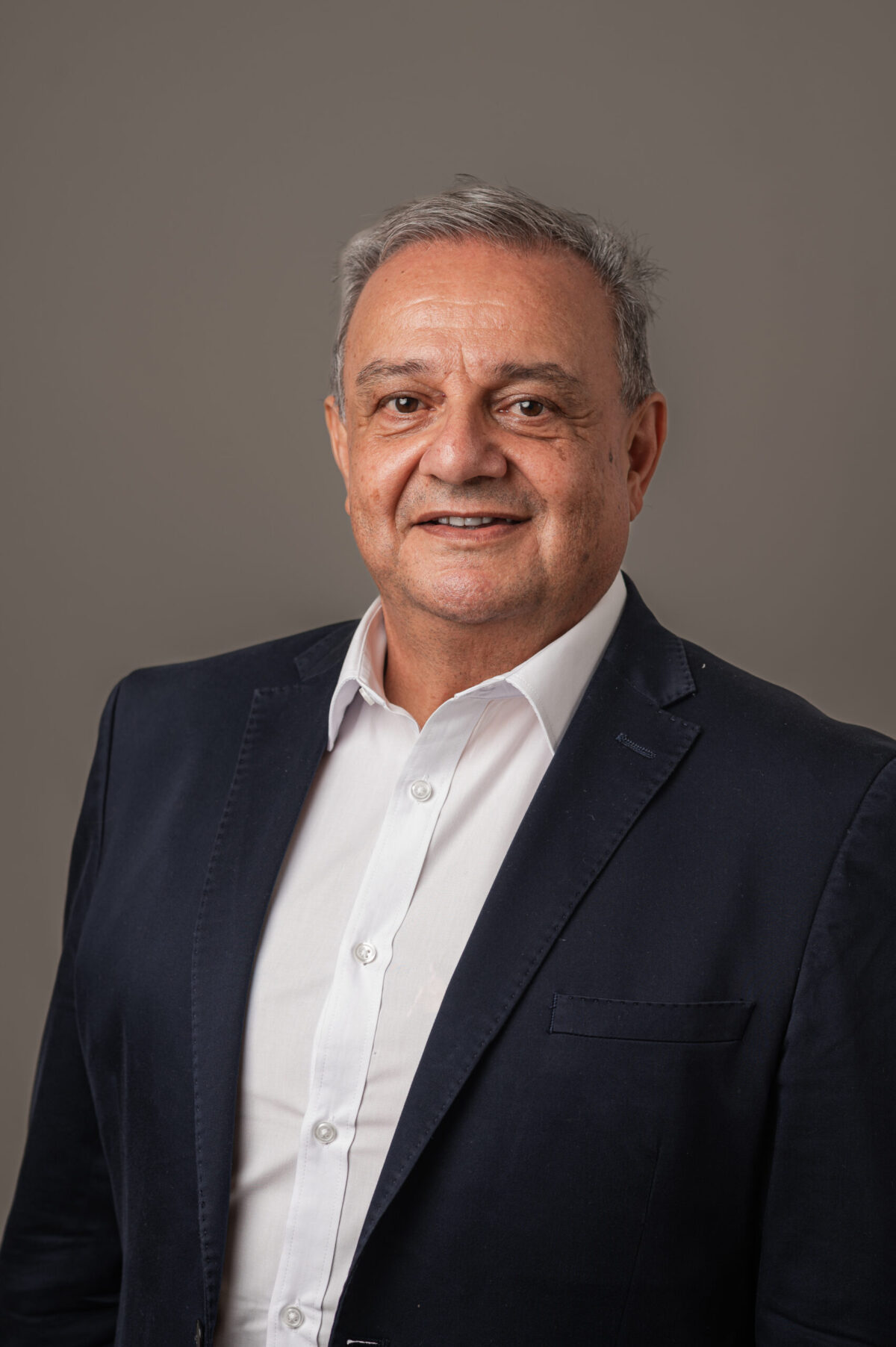
“Our position is that there should not be a man vs machine, but man and machine” mentality, Mr Borg explains, adding that if employees are trained and reskilled to use AI properly as a colleague, “then your value to the employer jumps significantly.”
“If you are able to harness any technology, not just AI, and your productivity goes from x to 2x, even your salary is able to increase because then you become doubly productive, doubly valuable, doubly indispensable to your company and to your employer,” the Director General said.
He praised the incentive that introduced free AI courses to people living in Malta earlier this year, after which they also received free access to an AI platform for a year.
He said that AI usage has increased over the years. “But we need to ask, what are we actually doing with AI? Have we studied deeper into AI usage? It's one thing to use AI to write an email, but what happens beyond that? Are we using AI to expand our knowledge, to expand production possibilities in our companies? That is the big question,” Mr Borg says.
Mr Refalo adds that training needs to focus on using AI to analyse and extract data.
The association is calling on Government to deliver a transformational Budget that moves the country away from population-led, consumption-driven expansion and towards smart growth based on productivity, higher value added and innovation.
The association would like to see more incentives for capital investment in relation to this in the Budget, Mr Refalo says. “We need to do more with less. We all know the shortage of labour situation.” He argues that there are many jobs which can be “transformed” using technology, and that this is where incentives can be offered and sustained.
Speaking broadly about Government incentives, Mr Borg explains that last year before the Budget date, the association and other bodies were called in to discuss targeted incentives for the private sector. “It was a very good move by Minister Clyde Caruana. We all gave our ideas regarding tax treatment, forward-looking investment and the extension of Micro Invest for SMEs. Unfortunately, some of those incentives, although agreed upon and announced, took a very long time to be implemented during the year.”
He explains that after the Budget is unveiled there is always a lot of interest. But then time passes and momentum cools. He argues that incentives should be made available soon after they are announced so that the momentum and enthusiasm won’t be killed.

‘Malta remains attractive, but must not become complacent’ – Malta Chamber president
'Our competitive advantage cannot simply be access to labour. It must be access to talent,' he said.
BOV CEO: Traffic congestion affecting employees’ work-life balance, but not bank operations
One in four BOV employees made use of flexible working arrangements in 2025, as the bank seeks to minimise the ...

Businesses should heed the lesson in Revolut’s nightmare Tuesday
Melita’s Roderick Farrugia and BMIT’s Sean Cohen urge companies to review their vulnerability to single points of failure.

Andy Tanti appointed Chief Commercial Officer at the Ramla Bay Resort
Up until recently, he worked as a commercial manager at the same hotel.
