



Malta Communications Authority (MCA) CEO Jesmond Bugeja has described 2024 as “a landmark year” for the regulator, as it took on broader responsibilities in digital services governance while continuing to steer the communications sector through evolving market and regulatory demands.
In his foreword to the MCA’s Annual Report, Mr Bugeja noted that the Authority “stepped confidently into new territory” as the digital ecosystem in Malta became more complex and significant to everyday life.
Two major developments defined this shift: The MCA’s role in implementing the EU’s Digital Services Act (DSA) and preparations for the bloc’s NIS2 cybersecurity directive. As Malta’s designated Digital Services Coordinator, the agency is now at the forefront of ensuring online platforms meet new standards for user protection, transparency, and accountability.
“This is more than just a new legal duty; it represents a bold new chapter in digital governance,” Mr Bugeja said, underscoring the need for “technical expertise, cross-sectoral collaboration, and decisive leadership.”
Sustained regulatory workload and market development
Alongside its expanded digital mandate, the MCA continued to deliver on its core regulatory functions. In 2024, this included “a substantial volume of regulatory, supervisory and strategic policy work,” with ongoing efforts in fixed broadband competition, spectrum management, postal services, consumer protection, and network security.
Mr Bugeja highlighted the Authority’s contribution to the assessment of the wholesale fixed broadband market, where it is preparing a full reassessment following the European Commission’s decision to veto its initial deregulation proposal earlier this year.
“Our involvement goes far beyond attendance,” he said, referencing the MCA’s participation in international regulatory groups such as the ITU, BEREC, and ERGP. The Authority currently holds “two co-chair positions, one vice-chair role, and contribute[s] as lead drafters on four major working documents.”
Capacity-building and future regulatory challenges
Mr Bugeja emphasised the importance of internal capability and talent development to keep pace with changing responsibilities. The MCA invested in staff training throughout the year and continued to recruit strategically “to build a workforce that is agile, technically competent, and committed to serving the public interest.”
“Delivering on this increasingly complex and evolving portfolio requires not only foresight, but also sustained investment in our internal capabilities,” he said.
As Malta prepares for the implementation of the Gigabit Infrastructure Act and the European Digital Identity Regulation, the Authority is expected to expand its role further into areas of digital identity, infrastructure policy, and platform regulation.
Looking ahead, Mr Bugeja reaffirmed the MCA’s commitment to national and EU-level governance efforts: “We will continue supporting national and European efforts that promote effective regulation, enable innovation, and serve the public interest.”


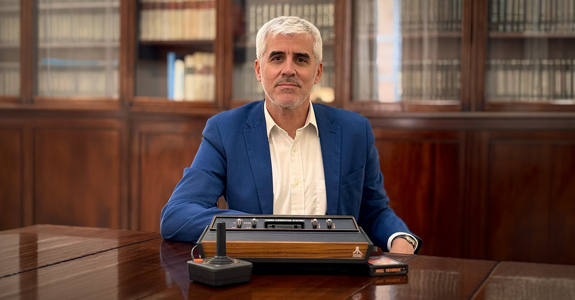
Fenech & Fenech Advocates appoints Antonio Ghio as Chief Innovation and Technology Officer
Antonio Ghio is an IT Law expert and has been with the firm for the past 25 years.
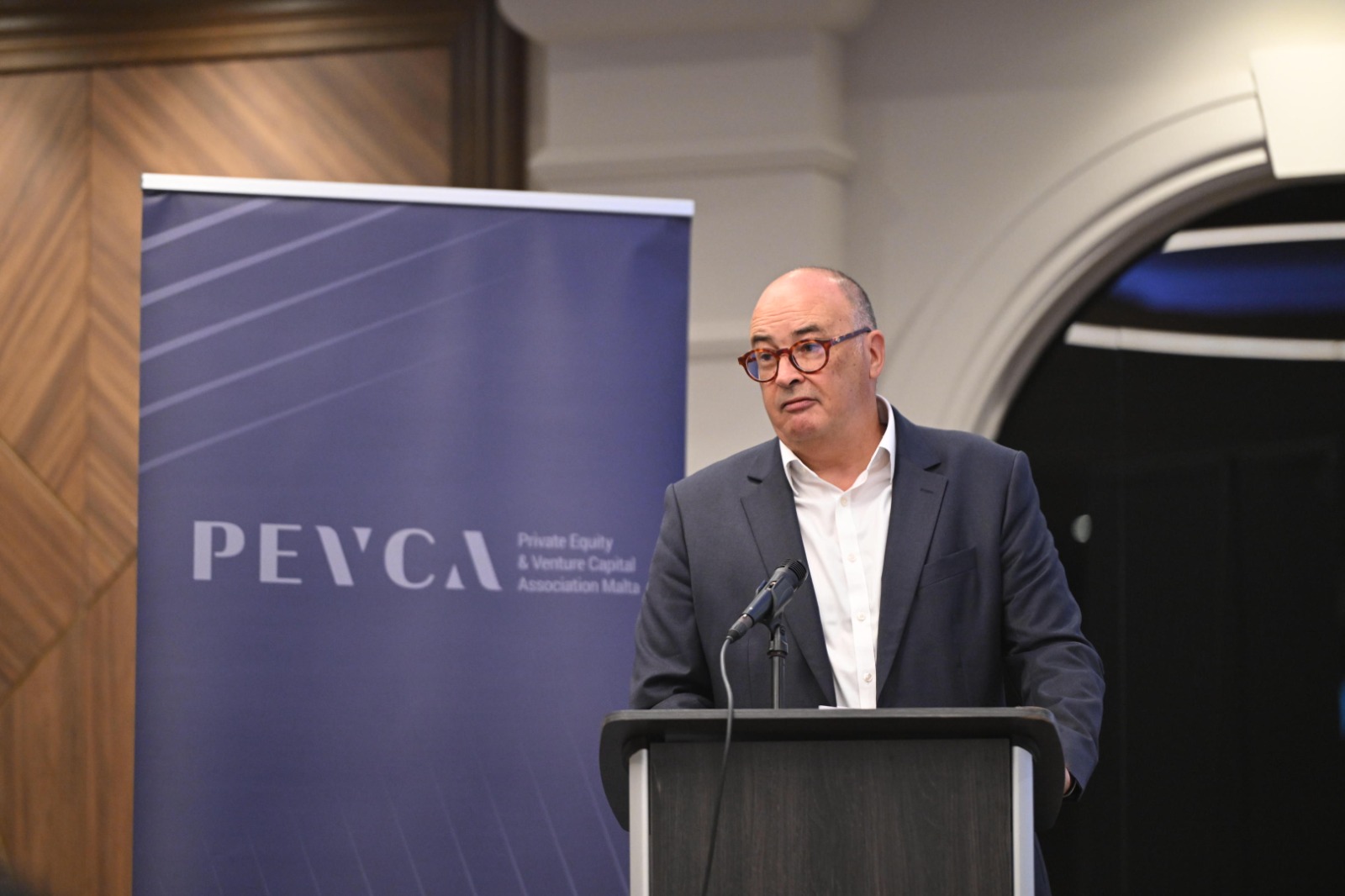
‘Considerable potential’ for Malta to develop as a private equity and venture capital hub – PEVCA head
He said that private equity and venture capital play a vital role in modern, innovation-driven economies.

Nancy Pavlaki appointed Chief Financial Officer at Ramla Bay Resort
Prior to taking up the post, she worked in a number of financial positions in the hospitality industry.

Kyle Antoni Pace Cumbo appointed Chief Commercial Officer at Iniala
'I’m incredibly excited about what comes next,' he said.
