



“When the time is right.”
It is a phrase I frequently hear when discussing succession with founders and business leaders. But when exactly is the right time?
For many entrepreneurs, particularly in family businesses, the company represents far more than a career. They have built it, nurtured relationships and shaped its identity. Over time, their sense of purpose becomes closely intertwined with the organisation.
It is understandable that stepping away can be difficult. Yet postponing succession until a founder feels ready can have consequences for the business.
The prominence of Nvidia's founder and CEO, Jensen Huang, illustrates why this conversation matters. Mr Huang has been instrumental in building one of the world's most influential technology companies, yet questions surrounding the company's long-term leadership continuity highlight a challenge familiar to founder-led businesses.
While Nvidia has processes for reviewing succession, the broader question remains: how does an organisation prepare for a future beyond the individual most closely associated with its success?
When leadership becomes personal
One question leaders often ask when contemplating succession is, “What will I do next?”
It is a deeply personal concern, especially after decades of building an organisation.
However, appointing a successor is not enough if the founder remains unwilling to relinquish authority.
I recall a situation where a founder ultimately had to make an appointed CEO redundant following misalignment on several fronts. One revealing piece of feedback emerged: the founder had continued spending two days a week in the CEO's office, speaking directly with employees and making decisions independently.
While the intention may have been to remain involved, the effect was to undermine the CEO's authority and create uncertainty about who was leading the organisation.
Future leaders need space to establish credibility, exercise judgement and make difficult decisions. Without that opportunity, succession exists on paper but not in practice.
Succession is a governance responsibility
Succession should not begin six months before somebody retires. It belongs on the board's recurring agenda as a question of organisational sustainability.
Who will lead the business tomorrow? Where will its next ideas come from? Does the organisation have the competencies required for its next stage?
These questions extend beyond the founder or CEO.
Long-serving executives often hold invaluable institutional knowledge, relationships and networks. Yet when too much information or decision-making authority rests with one individual, the organisation becomes vulnerable.
In some businesses, knowledge can even become a form of protection. Individuals may hesitate to share information because doing so feels like diminishing their importance.
Good succession planning identifies these dependencies before they become critical.
It also requires challenging assumptions about tenure. Someone who has occupied a senior position for fifteen years may have contributed enormously, but are they still equipped to lead the organisation through its next phase?
Markets, technologies and customer expectations evolve. Leadership capabilities must evolve alongside them.
Developing tomorrow's leaders today
Identifying successors should be an ongoing process rather than a reaction to an unexpected vacancy.
Boards and executive teams need to examine whether they are developing talent, providing meaningful feedback and giving employees opportunities to contribute ideas and assume greater responsibility.
Succession discussions often reveal capability gaps. This gives organisations time to develop people, transfer knowledge and introduce new expertise.
The objective is not simply to identify who could fill a position tomorrow, but to build the leadership capacity the organisation will require in the years ahead.
The added complexity of family businesses
Family businesses face another challenge: balancing family expectations with organisational needs.
There may be an assumption that children, siblings or other relatives will eventually occupy leadership positions. Yet family membership does not automatically translate into the competencies required to run the business.
This is where independent Non-Executive Directors can provide considerable value.
An effective NED brings an objective perspective, helping families navigate emotionally charged conversations while remaining focused on the organisation's long-term interests.
However, independence must be accompanied by trust and an understanding of the family's values and ambitions.
Family charters can also provide a useful framework, establishing shared expectations around participation, remuneration, dividends and succession before disagreements arise.
The cost of waiting
The greatest succession mistake I encounter is postponement.
While difficult conversations remain unresolved, businesses risk missed opportunities, outdated processes, delayed transformation and declining competitiveness.
Succession is therefore not simply an exit strategy. It is a question of organisational relevance and resilience.
Boards should regularly ask what would happen if a founder, CEO or another key executive were suddenly unavailable. Could the organisation continue operating effectively? Is knowledge being transferred? Are potential successors being given sufficient authority today?
And perhaps leaders must confront the most difficult question of all:
Could someone else now be better equipped to lead this organisation than me?
Acknowledging that possibility does not diminish a founder's achievements. It demonstrates the maturity to place the organisation's future above personal attachment.
Ultimately, the legacy of a successful leader should not be a business that cannot function without them, but one capable of continuing to grow long after they have stepped away.
Bondholder response ‘reinforces our resolve’ to ‘further expand our brands internationally’ – IHI CEO
International Hotel Investments’ recent €30 million bond offer closed early following overwhelming demand
How Veracloud secured back-to-back Microsoft Malta Partner of the Year titles
Consistency is the key to enterprise trust.
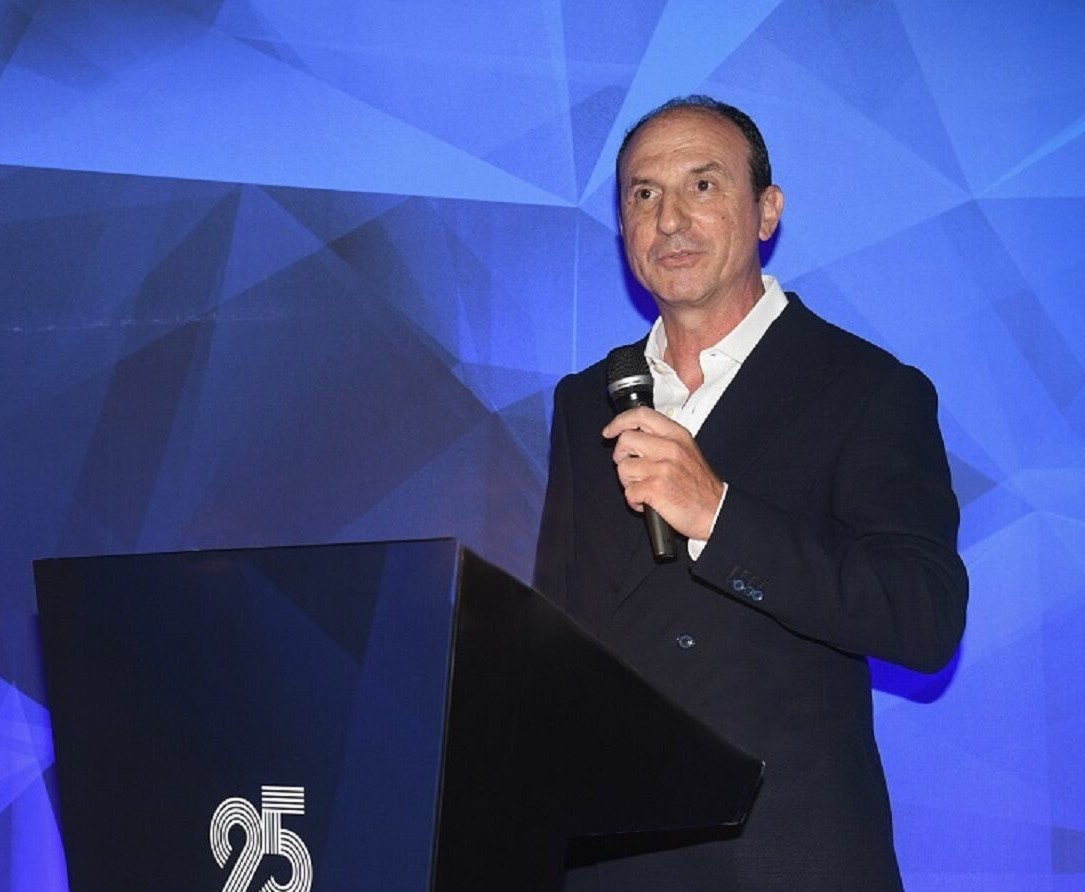
Sparkasse Bank Malta’s crypto custody services ‘driven by customers’ evolving needs’
Managing Director Paul Mifsud said the MiCA authorisation allows the bank to 'support customers with trusted access in line with ...
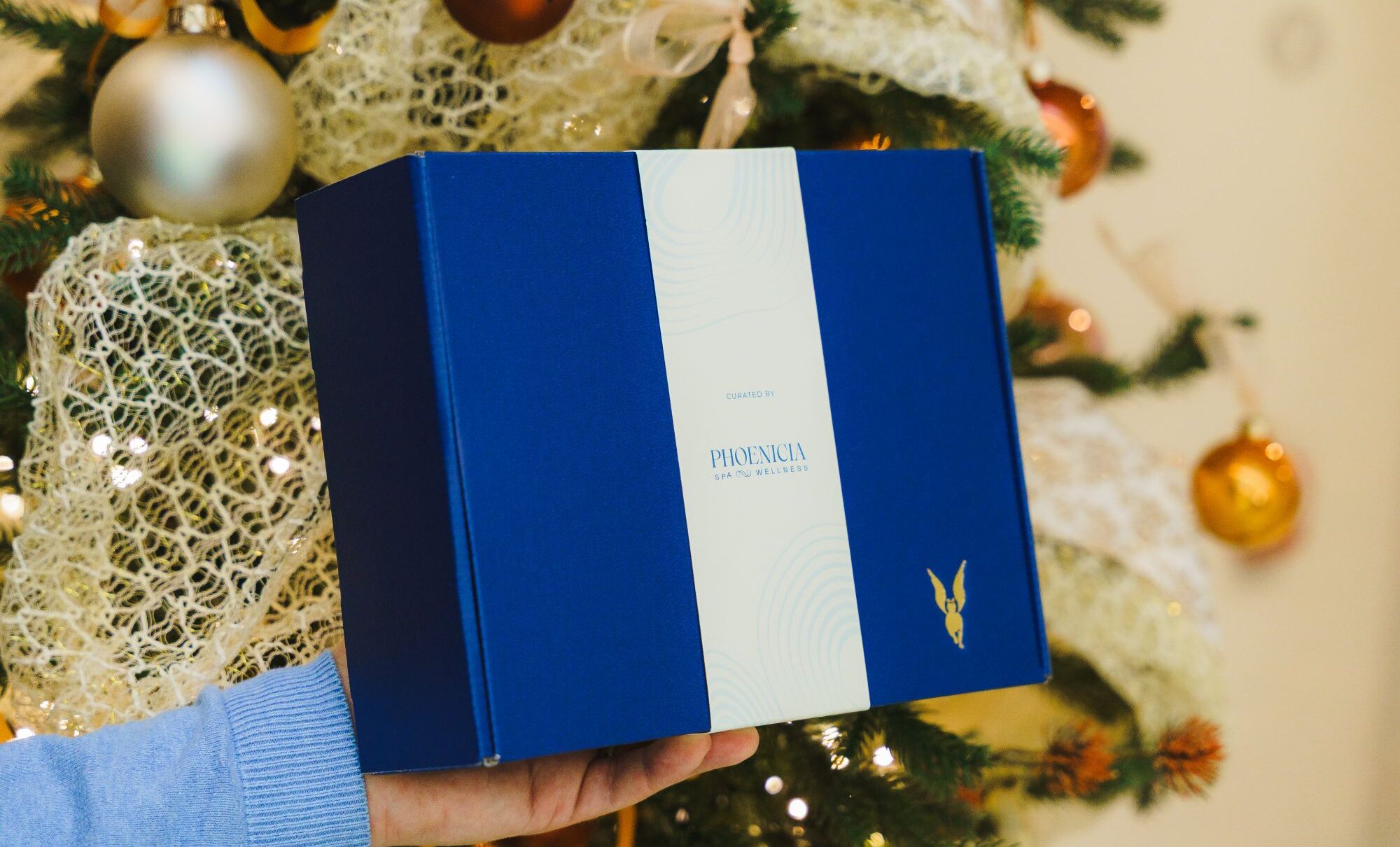
Thank teams and clients with festive spa gifts from The Phoenicia Malta
Phoenicia Spa & Wellness has three festive treatment vouchers and four gift box collections to make gifting wellness easy for ...
