



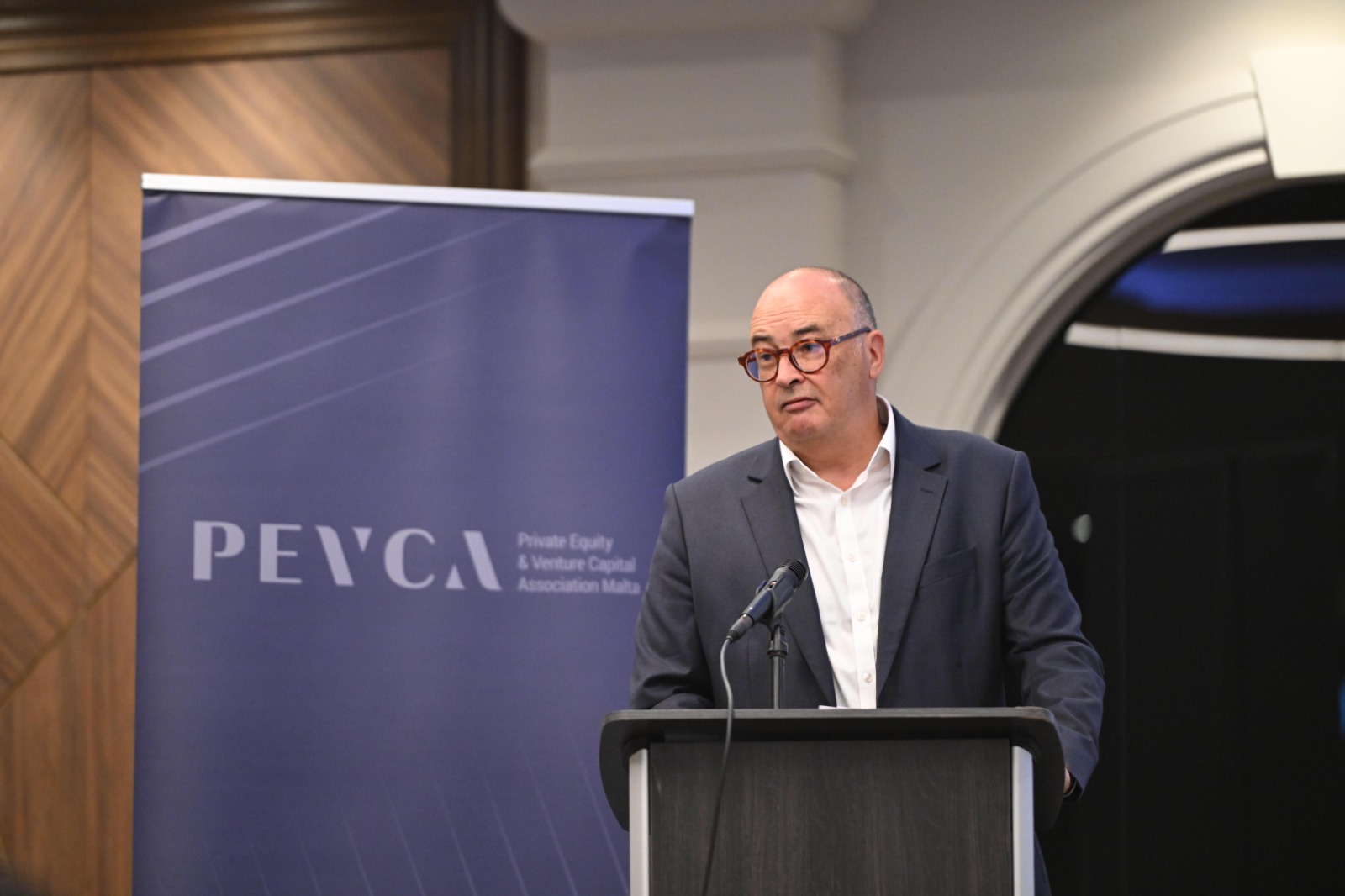
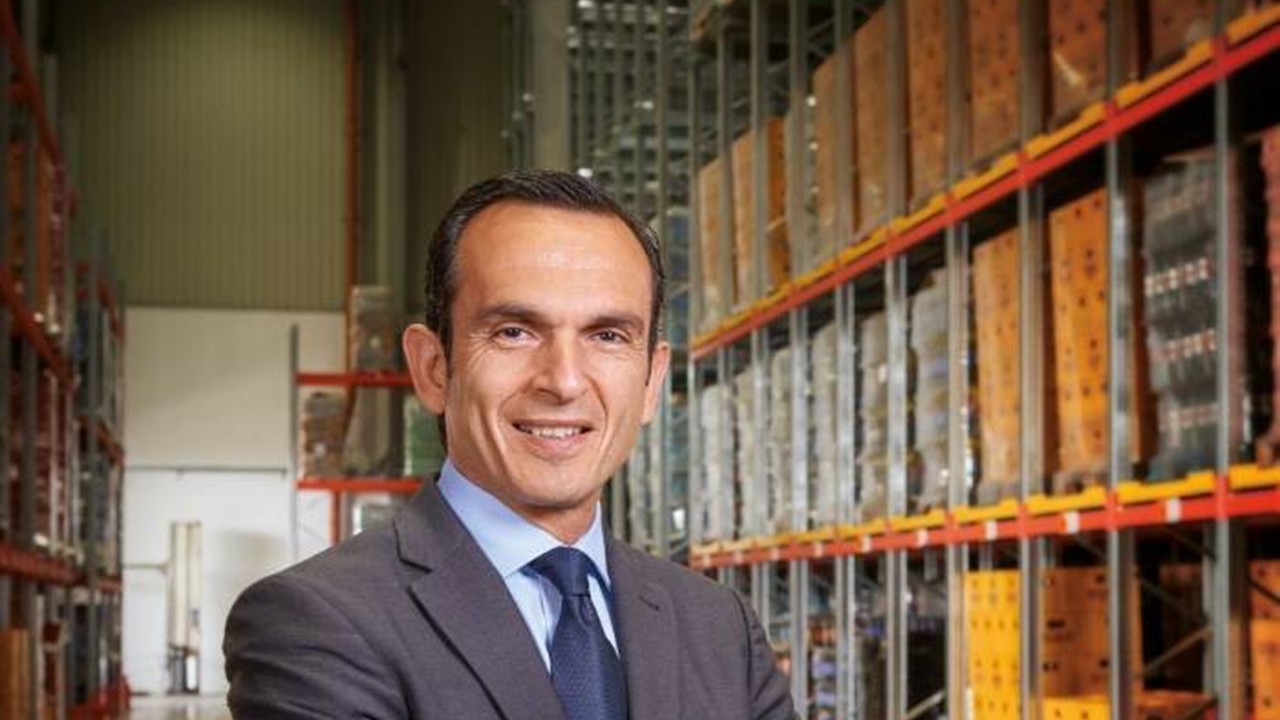
iMovo Limited Managing Director Pierre Mallia stresses how important it is for business leaders to lead through change and uncertainty and keep steering the organisational ship even when things get tough.
"Many articles in the business press will tell you we’re constantly faced with new levels of uncertainty and volatility," he said adding that throughout his life he "witnessed a lot of change and volatility in the world."
However, according to the business leader "the greatest uncertainty we face is not economic, but rather environmental - Climate Change. Ironically we seem to be sleepwalking towards scenarios that our kids will certainly have to deal with and will become the new normal”.
In light of this, he lists five laws he lives by and which he feels he should share with other C-level executives to help them deal with difficult situations involving change in their lives and their career.
1. Disconnect
"Like many, I have come to see the dark side of social media - which all too frequently was anything but social," Mr Mallia states, and for this reason, he recommends taking a break from social media channels from time to time.
2. Differentiate
"It’s important to understand that not all crises are created equal," he affirms adding that "there’s a difference between a "routine emergency" such as a water leak at home and "a crisis of uncertainty." The trick is for business leaders to learn to choose their battles efficiently.
3. Give yourself space to think, adapt and learn
"If you are in an uncertain situation, the most important thing you can do is calm down. Take a breath. Take stock," he suggests. "Another part of learning is listening. We spend time “hearing”, but are we indeed listening?" Mr Mallia asks.
4. Don't be afraid to admit you're wrong
"I’ve observed a lot of people, especially leaders, to whom it is anathema to admit to themselves that perhaps a decision or stance they took was wrong. It becomes even more anathema to even consider admitting that to colleagues," he states. However, it is also true that "admitting you have made a mistake makes you more human and encourages people to open up more easily to you."
5. Embrace the inevitable and turn it around
The unknown and unexpected is what generally leads to crises, Mr Mallia notes, however, it is in these situations that one learns the most. Once change is embraced, "there is frequently something arising from that crisis that will, if managed right, give something back to you, or at least, give you a sense that you’ve turned it around into something positive."
"Focus on what you can do. Just sticking to what you’ve always done when the environment around you has changed is not the greatest approach," the business leader concludes.


Geraldine Spiteri appointed Director at ComeOn Group
Dr Spiteri is an advocate in Malta.
Budget measures on foreign labour ‘push businesses to rethink operational model’
To avoid harm to Malta’s competitiveness, rapid execution of skills upskilling and streamlined support for innovation are required, writes Herald ...
BOV results ‘demonstrate strength of business model’ – Chairman Gordon Cordina
The bank revised its profit guidance upwards on the back of what CEO Kenneth Farrugia describes as ‘strong execution’ of ...
Quinco Chairman criticises Budget 2027’s focus on consumption over competitiveness
'It is an economy facing supply-side pressures, infrastructural strains, and growing competitive pressures,' Norman Aquilina wrote.
