

Malta’s Budget 2027 presents an opportunity to ask a bigger question: What should the country be trying to achieve through its economic and tourism policies?
Attracting visitors, generating revenue and supporting businesses are important. But these goals should not come at the expense of the people who live and work here. If residents struggle to afford a home, spend hours in traffic, face rising living costs or see their communities under pressure, then the country’s tourism offering is also affected.
Better-quality tourism starts with a better quality of life. A destination that is affordable, clean, accessible, well-maintained and rewarding for its residents is better positioned to offer visitors a meaningful experience.
Budget 2027 announced a €1,000 Super Bonus for eligible workers, a €6.41 weekly COLA increase, a €10.41 weekly minimum-wage increase inclusive of COLA, higher accommodation eco-contributions, increased third-country national work-permit fees, and continued support for energy prices.
The following are ten proposed tweaks – not measures already announced – to shift the focus towards affordability, sustainability, stronger communities and tourism that creates greater value.
1. Turn the €1,000 Super Bonus into a lasting improvement in wages
The Budget’s €1,000 Super Bonus provides a one-off payment to eligible workers. My proposal is to redirect this support towards a phased plan to raise the national minimum wage towards €1,500 per month, tax-free.
The objective should be for a person working full-time to have a realistic chance of affording a modest home independently, without being forced to share accommodation simply to make ends meet.
This would require a longer-term plan, rather than an immediate overnight increase. Employers, particularly small businesses, would need a transition period and targeted support to absorb higher wage costs.
Malta should aim for a wage structure that allows people to build a life here, not merely survive from one pay cheque to the next.
2. Make the eco-contribution reflect tourism pressure by locality
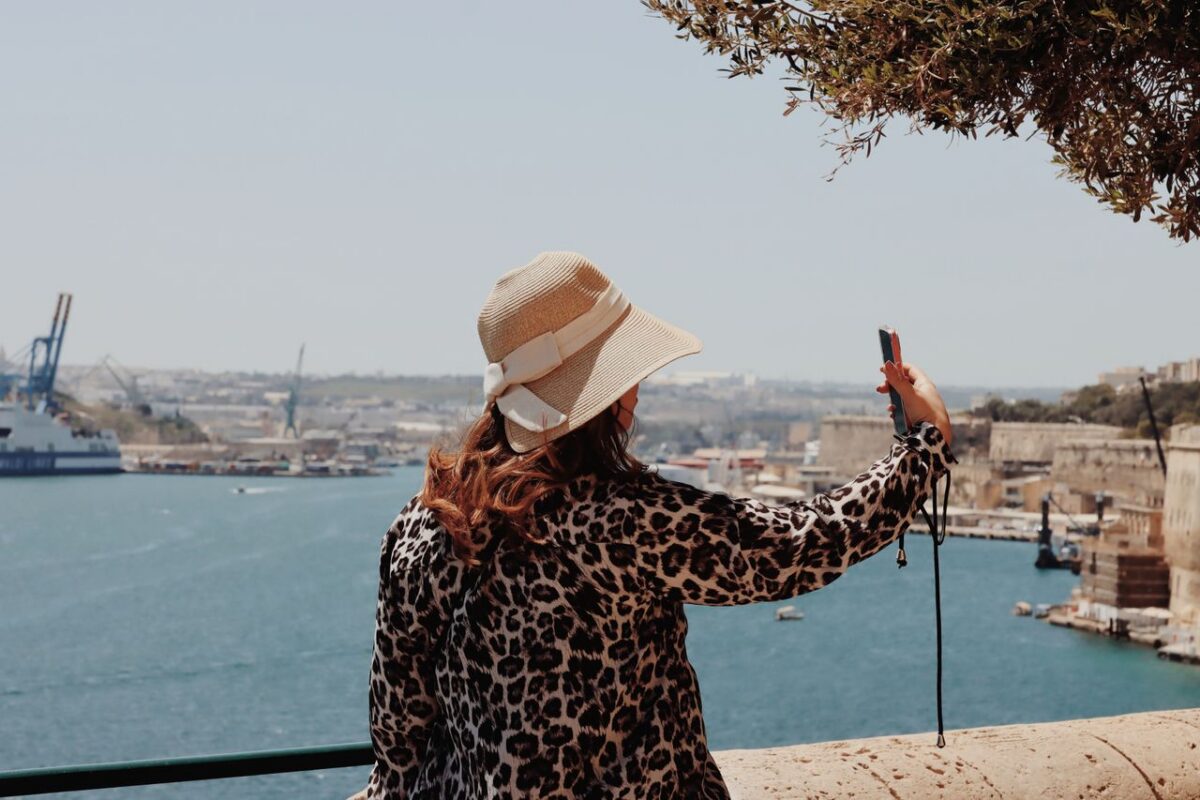
Budget 2027 announces eco-contribution increases to €8 per night for hotel accommodation and €10 per night for short-let apartments, with respective caps of €64 and €80 per person per stay.
Instead of applying a uniform rate across Malta, introduce a locality-based eco-contribution that reflects visitor demand, seasonality and pressure on public infrastructure.
For example, a higher-demand locality such as Valletta, St Julian’s or Swieqi could have a higher contribution, while localities such as Marsaskala or Qrendi could have a lower rate to encourage a wider distribution of tourism. The €10 and €1.50 figures are illustrative starting points for discussion, not a proposed final tariff.
A similar differentiated approach exists in some Italian destinations, although any Maltese system would need clear criteria and safeguards to avoid arbitrary differences.
Most importantly, a transparent share of the revenue should be reinvested in the localities generating it, supporting cleanliness, waste management, public spaces, heritage and infrastructure.
The aim should be to manage tourism pressure and spread its benefits, rather than simply make every visitor pay more.
3. Target utility subsidies at primary homes and responsible consumption
Malta continues to provide substantial support to stabilise energy prices. The Budget includes approximately €400 million in energy-related subsidies and assistance for 2027.
My proposal is to review how utility subsidies are applied to households with multiple properties linked to an ARMS account.
Support should remain available for a household’s primary residence, while subsidies on additional properties could be reviewed according to ownership, use and consumption. Existing registration mechanisms, including the ARMS Form H, could help inform a fair system, subject to verification.
The intention is not to penalise people for owning property. It is to ensure that public support prioritises households’ essential needs and encourages responsible electricity and water consumption.
Any reform must protect larger families, shared households and people with legitimate needs, while avoiding a system that rewards waste.
4. Make public transport the preferred option

Retain free public transport for people registered as employed in Malta, regardless of nationality, while investing in more frequent, reliable and environmentally friendly buses.
At the same time, review vehicle and driving-related taxes and charges to encourage public transport use where it is a practical alternative. Any increases should be proportionate and introduced alongside better services, not before them.
Investment should prioritise cleaner buses, night services, improved routes and better connections between residential areas, workplaces, tourist attractions and ferry terminals.
The goal should be to reduce congestion and emissions while making daily travel easier for residents and visitors.
5. Review work-permit charges where labour shortages are genuine
Budget 2027 increases the fee for a new third-country national work-permit application from €600 to €800 and introduces a €400 annual infrastructure contribution for new applicants and renewals.
My proposal is to review these costs for sectors experiencing verified labour shortages (similar to how the educational stipend works in Malta), while strengthening training, local recruitment and worker protections.
The objective is not to discourage local employment or responsible migration. It is to avoid adding unnecessary costs to businesses that depend on workers to maintain essential services.
Hospitality, restaurants, care services, maintenance and other labour-intensive sectors already face difficulties filling vacancies. Where third-country nationals are needed to sustain these services, the system should facilitate lawful recruitment while protecting workers from exploitation.
Malta should make employment more productive and sustainable – not simply more expensive.
6. Protect COLA while reducing the pressure on employers
Budget 2027 sets the weekly COLA increase at €6.41.
Rather than reducing or removing COLA, I would propose reviewing how the cost is absorbed by businesses, especially smaller employers in hospitality, retail, care and other labour-intensive sectors.
The purchasing power of workers needs to be protected. At the same time, businesses need to remain viable and able to retain staff.
A more balanced approach could include targeted, temporary support for smaller employers, linked to productivity, training and investment, rather than weakening the COLA mechanism itself.
The objective should be to protect workers’ real incomes while avoiding unnecessary pressure on employment and business costs.
7. Help residents build a home and bring existing properties back into use
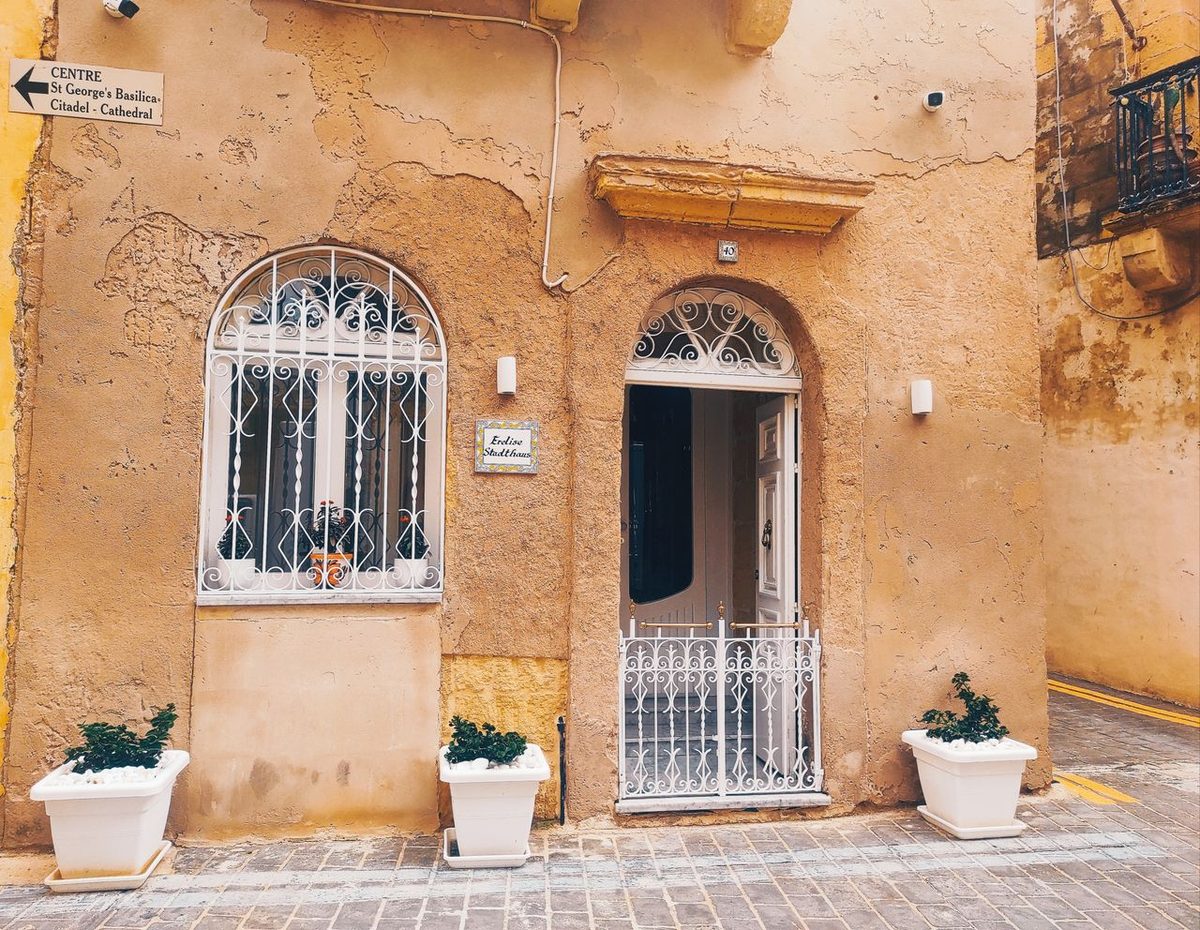
Renew and strengthen first-time buyer support, with a clear focus on helping people who live and work in Malta establish a home.
This should include eligible Maltese citizens and long-term resident third-country nationals who are building their lives here and contributing to the country.
At the same time, Budget 2027’s property acquisition and renovation schemes should be developed into a wider strategy to make better use of existing buildings.
Support could include more accessible deposit assistance, targeted stamp-duty relief, incentives for suitable vacant properties, and assistance for renovation, energy efficiency and accessibility improvements.
Renovation support should also encourage solar panels, battery storage, water efficiency and energy-saving improvements. Malta has an opportunity to make better use of its abundant sunshine, reduce dependence on imported energy and lower long-term household costs. Support should be accessible to suitable apartment blocks and shared residential buildings, not only individual homeowners.
The aim should be to increase the availability of suitable homes and improve existing buildings, rather than stimulate demand in a way that simply pushes property prices higher.
A stable, secure home is a foundation for family life, community participation and a stronger workforce. Malta should make it easier for people to build a life here, not just find somewhere to sleep.
8. Reinvest tourism revenue in the places carrying the pressure
If visitors are being asked to contribute more, the country should be able to show where that money goes.
Budget 2027 raises accommodation eco-contributions and introduces additional visitor charges, including a €5 contribution for tourists visiting Comino and a €10 charge for cruise passengers who disembark and reboard the same vessel.
My proposal is to introduce transparent, annual reporting on the revenue collected and how it is used.
A defined share should be directed towards the localities and infrastructure under the greatest pressure from tourism. Priorities could include:
- Street cleaning, waste management and public toilets.
- Beaches, coastal protection and public spaces.
- Heritage restoration and visitor facilities.
- Public transport and improved access to tourist areas.
- Environmental protection and sustainable water use.
If the contribution is intended to support the environment and tourism infrastructure, residents and visitors should be able to see the results.
9. Make Gozo more accessible, not more expensive to reach
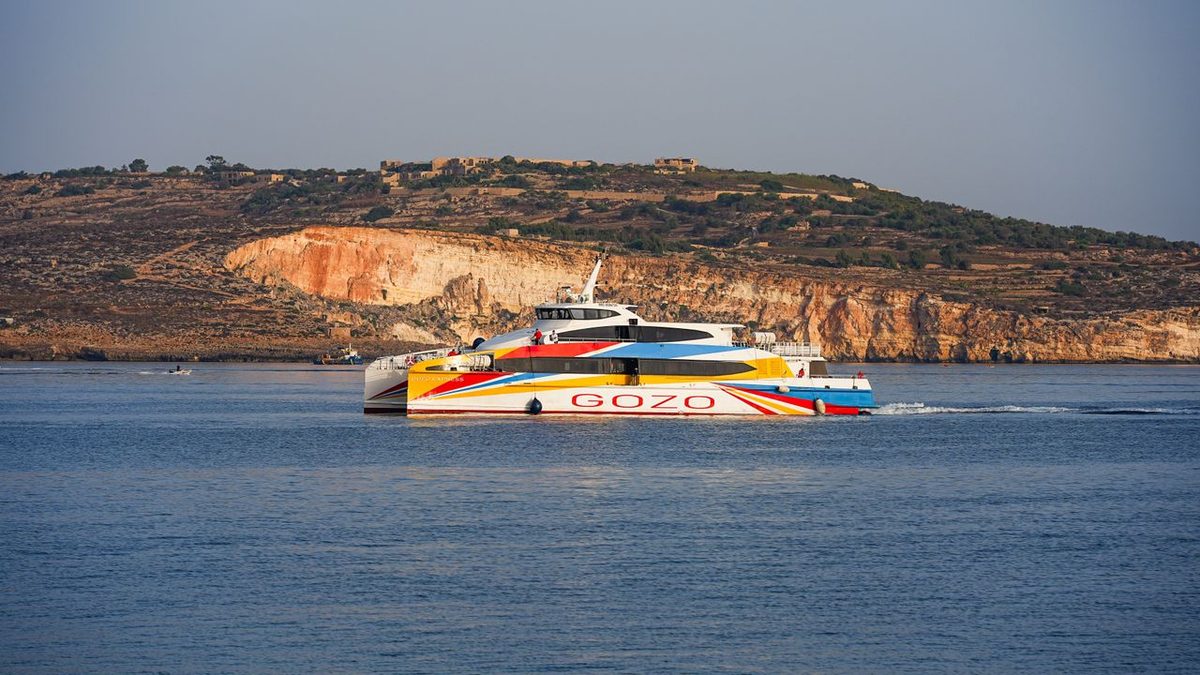
Budget 2027 announces higher Gozo ferry fares for non-residents. The reported regular ferry fares rise to €11 for adults, €7 for children and €22 for a vehicle and driver. Non-resident fast-ferry fares also increase by €3 per journey.
Gozo’s tourism economy depends on accessibility. Increased transport costs affect visitors travelling to stay in farmhouses, apartments, hotels and other accommodation, as well as people visiting local restaurants, shops and attractions.
My proposal is to accompany any increased visitor charges with a clear investment plan for Gozo, including:
- Better ferry reliability and passenger capacity.
- Improved public transport connections to ferry terminals.
- Better roads, waste management and public spaces.
- Incentives for off-season visits and longer stays.
- Investment in Gozo’s environment, heritage and local communities.
Gozo should be promoted as a destination in its own right, not simply as a day trip from Malta. A visitor who stays longer has more opportunity to support the island’s local economy.
10. Measure success by quality of life, not just economic growth
The final tweak is to introduce a national quality-of-life and tourism performance scorecard.
Malta should assess its progress through indicators such as:
- Housing affordability and availability.
- Real wages and household disposable income.
- Labour productivity and employment costs.
- Traffic congestion and public transport reliability.
- Environmental conditions and cleanliness.
- Visitor spending, seasonality and resident satisfaction.
Major budget measures should be assessed against their intended outcomes. If a policy increases costs but does not deliver the expected improvement, it should be reviewed.
Tourism numbers, economic growth and government revenue are important, but they should be measured alongside how people live, how businesses perform and how well infrastructure supports both residents and visitors.
The ultimate measure of progress should be whether Malta becomes a better place to live, work and visit.

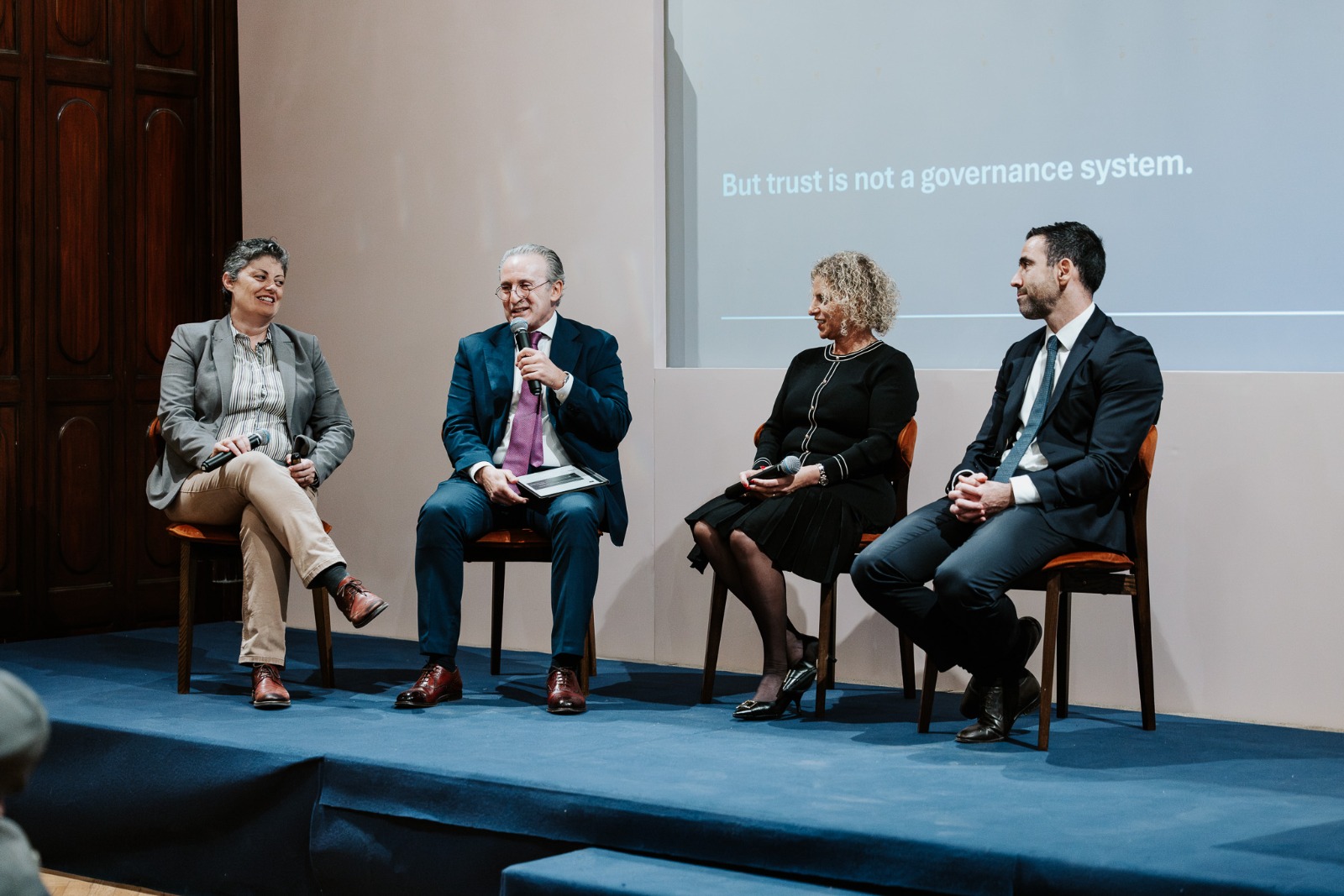
‘Trust is not a governance system’: Franco Azzopardi appeals to family businesses on succession planning
The former Malta Institute of Accountants President stressed the importance of formal governance structures to ensure business continuity across generations.

‘We should care whether our international colleagues feel welcome’: Ramla Bay Resort GM
Henri Mattocks welcomes hotel's new measures to support its TCN workers.

Aimee Busuttil appointed Head of Finance at The Ona plc
She is a warranted accountant having experience in the hospitality industry.

Robert Meachen appointed Chief Operating Officer at CMA CGM Malta Agency
Robert Meachen appointed Chief Operating Officer at CMA CGM Malta Agency Ltd.
