



Farsons Group CEO Norman Aquilina on Sunday stated that companies will have to reset their business models in the new year as they face various mounting challenges, including a rise in the cost of living contribution.
Mr Aquilina noted that as the end of 2023 approaches, businesses are evaluating the past year and planning their strategies and projections for 2024.
“While every budgeting season presents no shortage of challenges, profitability and people are expected to stand out," he remarked.
Companies are expected to face a number of difficulties in the coming year, most notably the substantial increase in the Cost of Living Adjustment (COLA), going up to €12.81 per week, a rise of almost 30 per cent from the €9.90 given in 2023. This increase, brought by mounting inflationary pressures, has prompted workers to demand higher salaries, while companies have ended up charging significantly higher prices.
Earlier this year, Mr Aquilina warned that the COLA increase needs to be “well managed” in order to avoid the risks of a wage-price spiral which can “hurt both employers and employees”.
Commenting on Sunday, he said that due to rising costs and margin compressions, businesses “are being forced to reassess their pricing strategies within a climate of ongoing cost of living pressures, whilst at the same time seeking to hold on to a competitive position”.
He stressed that competitiveness is “fundamental” in delivering a “lasting profitable return”.
Mr Aquilina added that the situation regarding labour shortages and subsequent recruiting and retention struggles is “likewise as challenging”. These instances have resulted in companies to also resort to engaging in “salary bidding wars” with other entities, “potentially entertaining unsustainable wage growth”.
Throughout the past year, business leaders have repeatedly stressed that they are struggling with mounting salary demands as well as difficulties in recruiting experienced and qualified professionals. A survey from earlier this year confirmed that salaries have increased across all sectors in Malta, with an average rise of 5.4 per cent.
A lack of talent is one of the primary factors contributing to this increase, with the labour market being heavily driven by job candidates’ demands amid the shortage. This has led to organisations to increase salary packages, offering more benefits and even providing increased flexibility to encourage employee retention. Otherwise, they have had to resort to employing third-country nationals (TCNs), yet this will become less of an option than before, with more regulation when it comes to their employment.
Mr Aquilina, who is at the helm of one of Malta’s largest companies, employing hundreds of employees, stated that establishing the right balance between offering “attractive yet affordable salaries and related working conditions is critical for any company moving forward”.
“Against this backdrop, companies will need to reset their business models by further elevating their capabilities, streamlining their operations, strengthening their value proposition, and ultimately consolidating their competitive advantage in order to shield off the pressures that the year ahead will certainly bring,” he warned.
Featured Image:
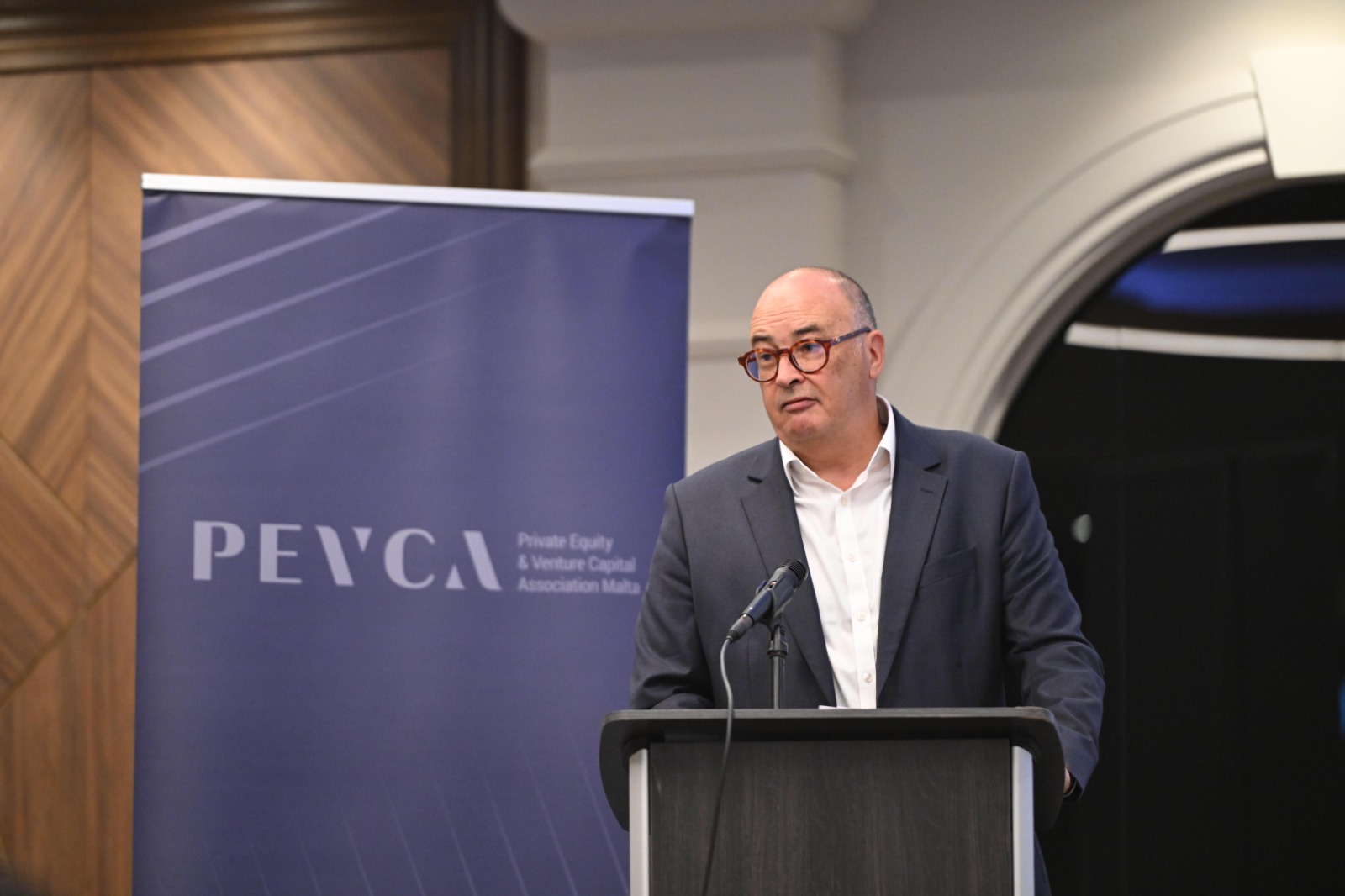
Farsons Group CEO Norman Aquilina


Two masterpieces, one remarkable instrument
Michael Pantalleresco explores the poetry, passion and brilliance of the clarinet in works by Mozart and Weber.
‘A setting we couldn’t be prouder of’: db CEO on Hard Rock Hotel’s new rooftop restaurant
Cyana’s head chef is Spiros Tzilis, a Greek chef who has worked at Michelin-starred restaurants.

‘AI might be faster and cheaper, but at what cost?’ – Aramis Capital MD
He warns that businesses risk sacrificing service quality, human judgement and accountability in their pursuit of greater efficiency through artificial ...

‘We’re already late’: Employers chief calls for cross-party mass transport agreement
Through cross-party agreement, the solution will endure beyond individual legislatures, he explains.
