



As remote work became the prevalent option over the past year as a direct response to the outbreak of COVID-19, its many pros and cons have been dissected and analysed to understand how it will likely impact the future of the workplace.
Is remote work here to stay? Is a return to the office inevitable? Will a hybrid model prevail? Answers to these questions continue to hang in the balance, as employers and employees are only just starting to digest a post-COVID scenario – despite the pandemic being far from over.

Martin Schillig, HR Director at RakeTech Group, took the discussion a step further on LinkedIn by shining a light on the subject of employees’ mental health and the return to the office.
“As office based companies are reopening their office spaces I am reading a lot about how much they look forward to water cooler talks and in person meetings, often highlighting the challenges of remote work,” he shared.
“BUT going back to the office won’t be easy for everyone – anxiety. I would love to read more about how they will support their employees’ mental health when they HAVE to return to office.”
A recent CNN article revealed how, seeing as the long-term mental health effects of the frequent lockdowns experienced over the past year are not yet known, researchers are concerned that certain compulsive behaviours, such as fearing public spaces and obsessive checking for COVID symptoms, will make it harder for some to integrate back into society – including the workplace.
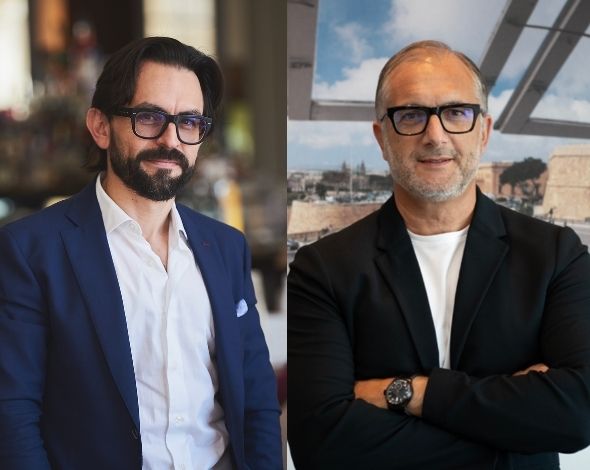
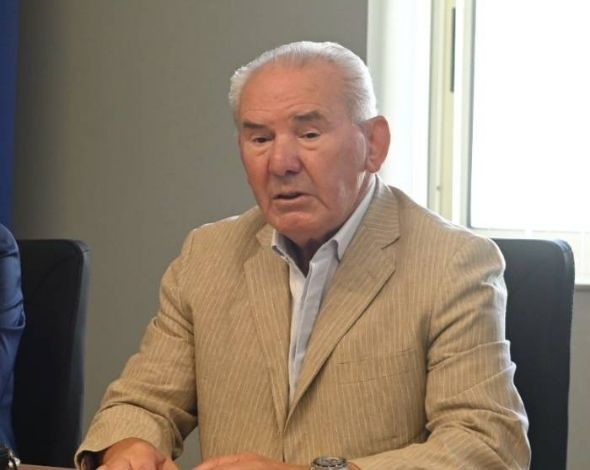


Lidion Bank announces senior leadership changes with new CRO and CCO appointments
Both appointments remain contingent on regulatory approval.
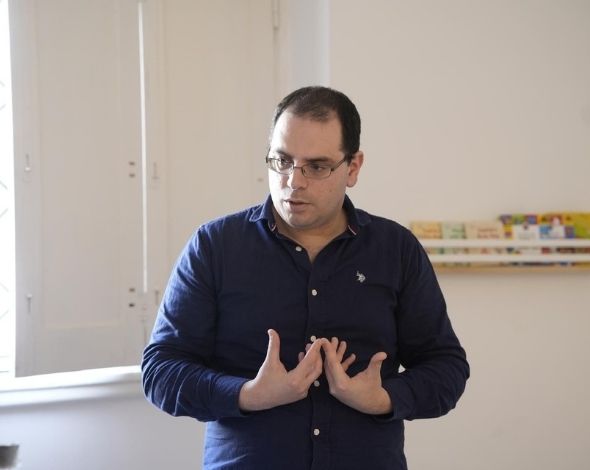
Money coach proposes mandatory financial education at Maltese schools
Luca Caruana says financial education could be a standalone subject or be embedded across different subjects.
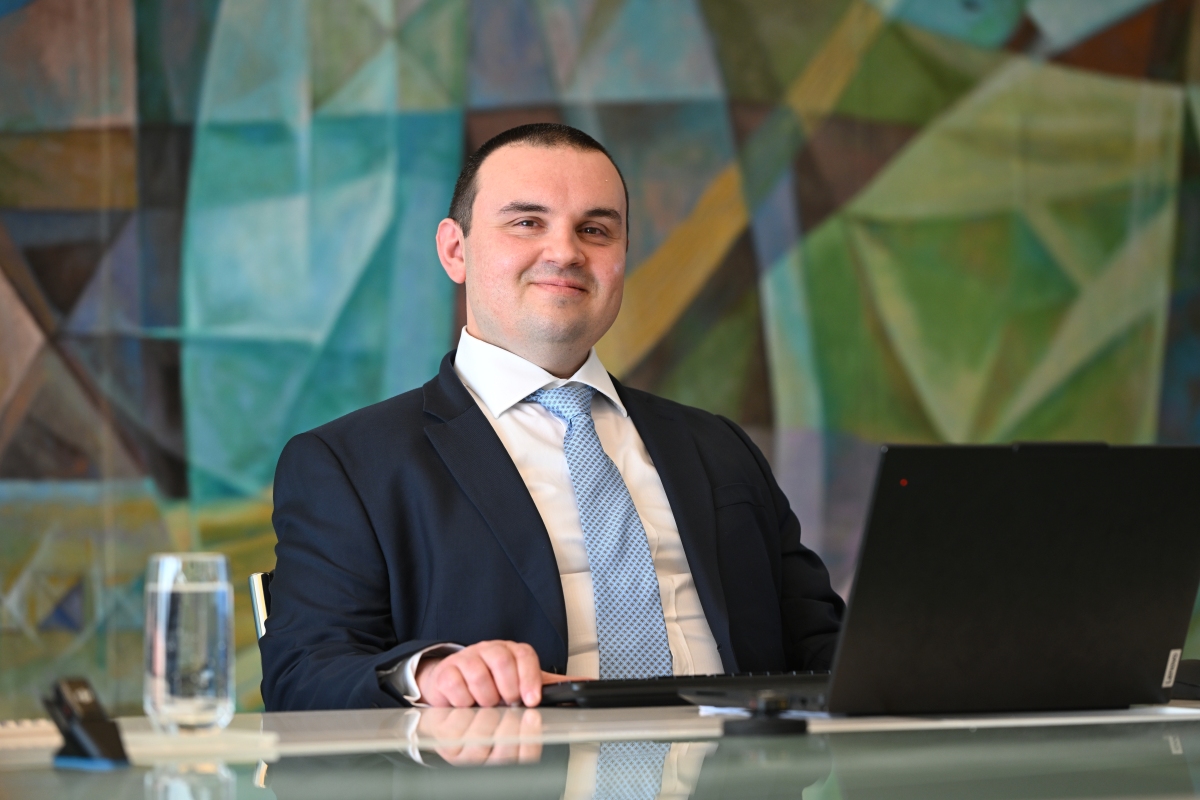
Strategic thinking ‘at the heart’ of BOV’s success – CFO Kevin Cardona
BOV performance ‘reflects maturity in execution, not cyclical tailwinds,’ says CFO.

AI, Malta and what’s next: Sucess in the next five years depends on these three things
For Associate Professor Vanessa Camilleri, the next 5 years can make or break Malta’s AI trajectory.
