



The pace of transformation in the global economy in recent years has been unprecedented. Rapid technological change coupled with successive crises, including a pandemic, have changed norms and structures while hastening the pace of what is being referred to as the twin green and digital transitions.
These are bringing about the development and diffusion of new technological, economic, social, behavioural and business model innovations.
In such a context, adaptation is not merely a prerequisite for business growth but essential for survival. Employees, investors and customers have changed the way they go about many aspects of their life. A significant shift has taken place in the way people look at the corporate world, what they expect from it and the standards they expect it to follow.
Governance is no longer an obscure boardroom term and more importantly it is no longer the exclusive domain of big companies. Governance affects decision-making and its importance transcends the size or scope of any firm, and in such a context, the role of small and medium practitioners has evolved accordingly at every level of the company. This includes informed decision-making, assessing investment scenarios and evaluating potential pitfalls, reporting and providing assurance.
All this is taking place within a context of rapidly evolving legislative and regulatory developments, including in areas such as taxation and financial crime.
Professionals are readying themselves for big changes in taxation, building up on earlier efforts in implementing anti-avoidance rules, CFC rules and general anti-avoidance provisions.
Even more relevant to the smaller and medium practitioner is the stricter regulatory framework related to financial crime, particularly anti-money laundering.
All this, however, presents a unique opportunity for accountancy professionals who are strategically positioned to help businesses meet the expectations of demanding investors and public, and help them adapt to the evolving regulatory environment.
Accountants can and are able to provide all of this. But, is this what firms want? Is there a mis-match between the expectation and reality of the corporate and accountancy world respectively? How is the small practitioner interacting with the business community around him or her in the context of these changes? Who is responsible for communicating what?

Seeking answers to these challenges, the Malta Institute of Accountants will be hosting a one-day conference bringing together experts in diverse fields such as financial crime, forensic accounting and taxation to discuss and share their views on a number of factors that are having or will have an impact on the environment within which local practitioners operate.
The SMP Conference – The Next Leap Forward: Succeeding through Change will be held on 24th May 2022 at the Radisson Blu Resort. Further information and registration details are available through this link.



‘Our opening scenes looked like the first Rocky film’ – Dennis Mark Gauci on CLA Malta’s success
It was a small team, with long days and big ambition

Buddha-Bar lands in Malta
The world-renowned brand opens in St Julian's on 29th October.
‘Meaningful career transitions require preparation and grit,’ MaritimeMT CEO says after award
She said that being acknowledged as part of the next generation in shipping means keeping doors open for the talent ...
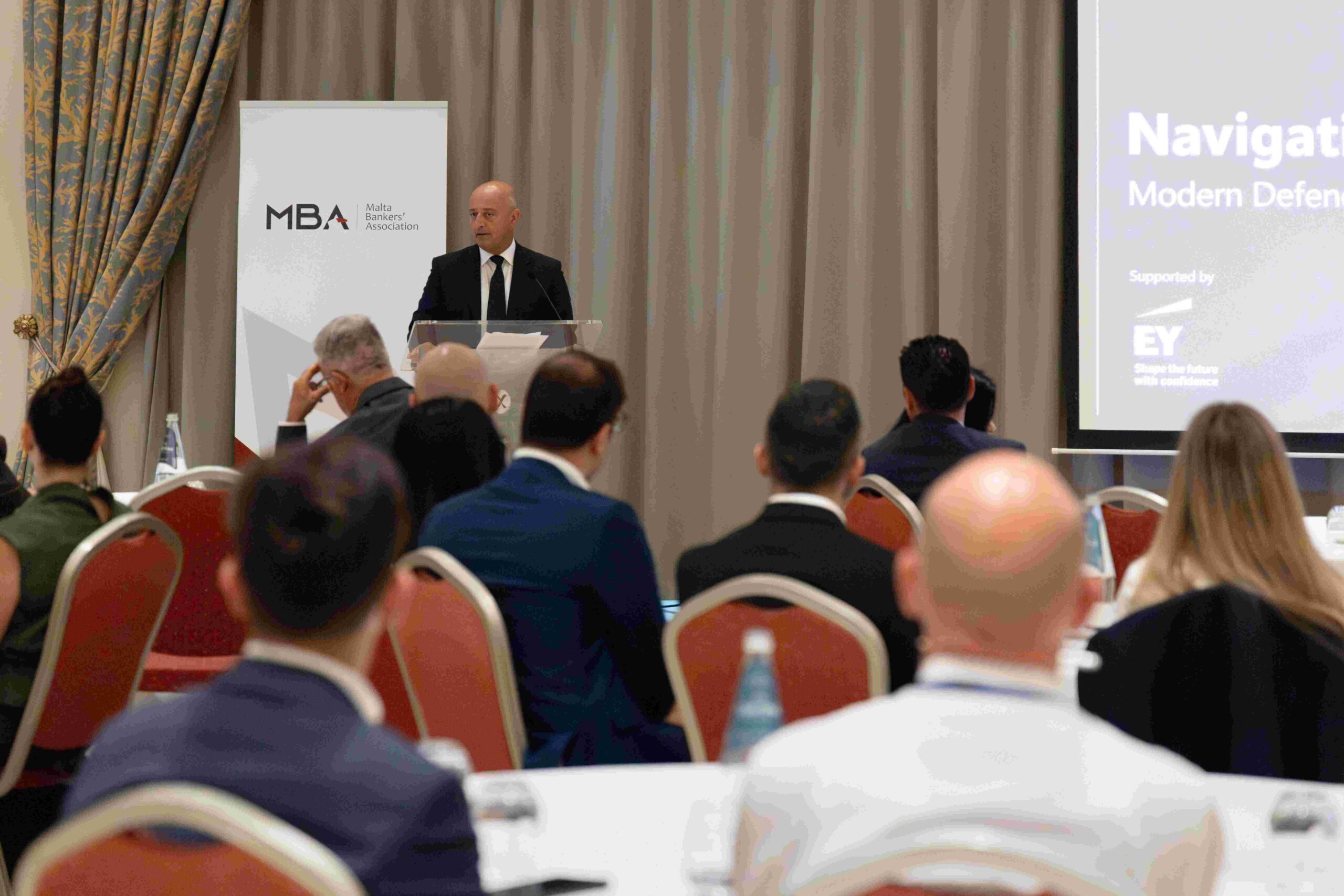
Kenneth Farrugia: Financial crime prevention ‘extends to the national dimension’
He argues that protecting individual organisations is no longer sufficient, given the broader implications financial crime can have for a ...
