


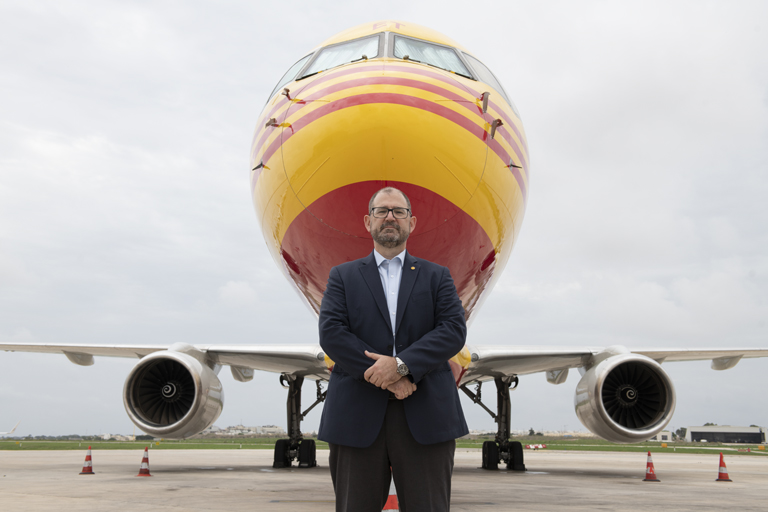
A Greek national, Dimitris Papas has spent most of his career in logistics, freight forwarding, project management, and communications. After working for DHL Express in his home country, he moved to Malta, where he manages the firm’s local operations as Malta Country Manager.
What were your reasons for choosing to become a resident here in Malta?
My work gave me the opportunity to move to Malta. Career development within the DHL Group is strongly encouraged and new professional challenges abroad have always interested me.
What have the benefits been for you, as an individual and as a business leader?
The benefits have been plenty. I work in a modern, professional environment. I’m also given the opportunity to understand, and to deal with, challenges faced by a relatively small business community as well as the broader society on the island.
For instance, we have an issue with congestion in Malta, so what we’ve done is include more pick-up/drop-off points in various localities, and we’ve also set up a service hub in Sliema, with plans to open another one up in the north of the island, since we also get many customers from Gozo, as well as in those areas further from the centre. We’ve also seen that Maltese businesses frequently feel cut off from the rest of Europe, being an island in the middle of the Mediterranean, so we try to provide solutions that give them a competitive advantage.
How easy was it to settle down on the island, both socially and at work?
I consider myself as being easily adaptable and able to change, so settling down, from a personal point of view, has not been difficult. From a work perspective, DHL offers the same processes and services worldwide, so what we do is replicated globally, which is why we are the foremost logistics company in the world.
What sets Malta apart from other jurisdictions offering similar residency opportunities?
Malta offers an opportunity for growth in an environment which is conducive to doing business. It offers the opportunity to innovate, with the electrification of our ground fleet being a notable example. To elaborate on this point, we’ve finalised an order for 14 electric vehicles to replace our diesel fleet; we’ve also been transitioning our management vehicles to hybrid or electric. Malta offers us the possibility to do that with ease – the fact that we’re a big multinational also helps since we can make that capital investment.
What would you say are the pros and cons of investing in Malta?
The size of Malta can be both a pro and a con. What I mean here is that the island offers opportunities, it boasts a strong business-friendly culture but, on the other hand, competition is restricted, meaning that pricing and quality can be left lacking on occasion.
This feature was first carried in the Malta Invest 2024 edition. Malta Invest is the first-ever comprehensive international investment guide focusing on Malta as a destination. It is produced by Content House Group.


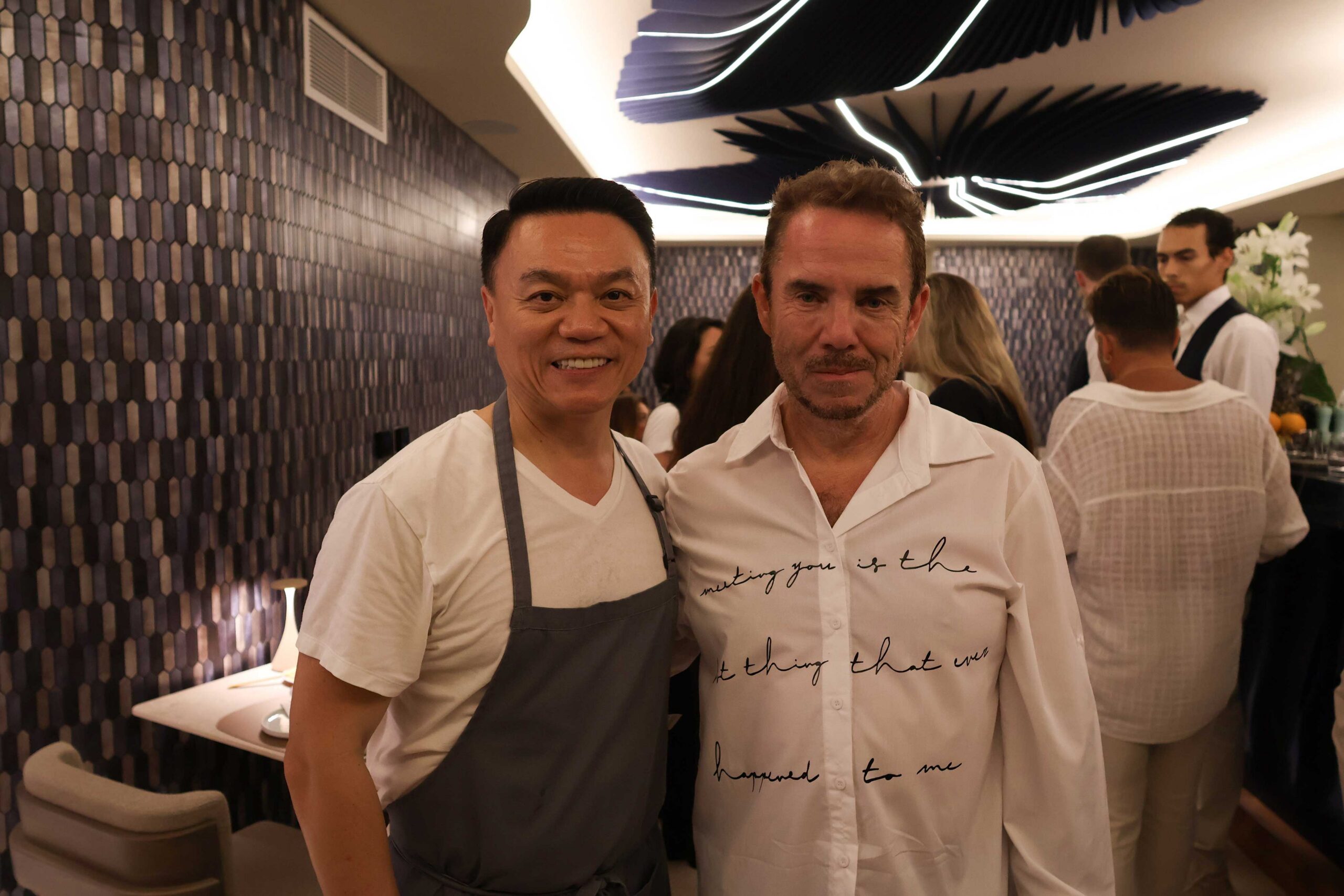
Sawadee Valletta! Iniala brings Thai family-style dining to Malta
Led by celebrity chef Ian Kittichai, Anaalā takes diners on a journey across Thailand with four rotating menus.
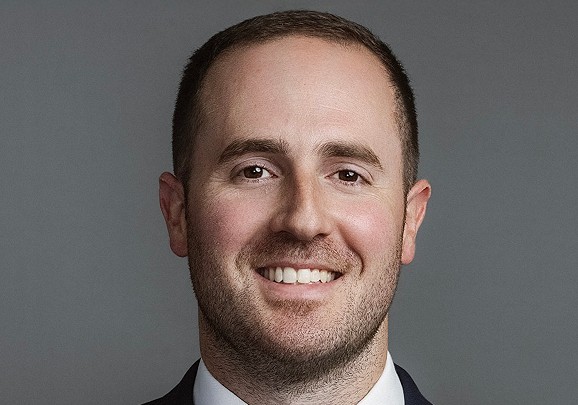
Deloitte Malta appoints Michael Agius as Director and Deputy Chief Legal Officer
‘Truly been a privilege to learn and grow within this global organisation,’ says Michael Agius.
Ryan Mahoney joins Bajada Group as Chief Operating Officer
This comes after more than four years as a General Manager at Bolt Malta.

Ian Zahra appointed as Director of International Tax at Deloitte Malta
He has been with the company for over six years.
