


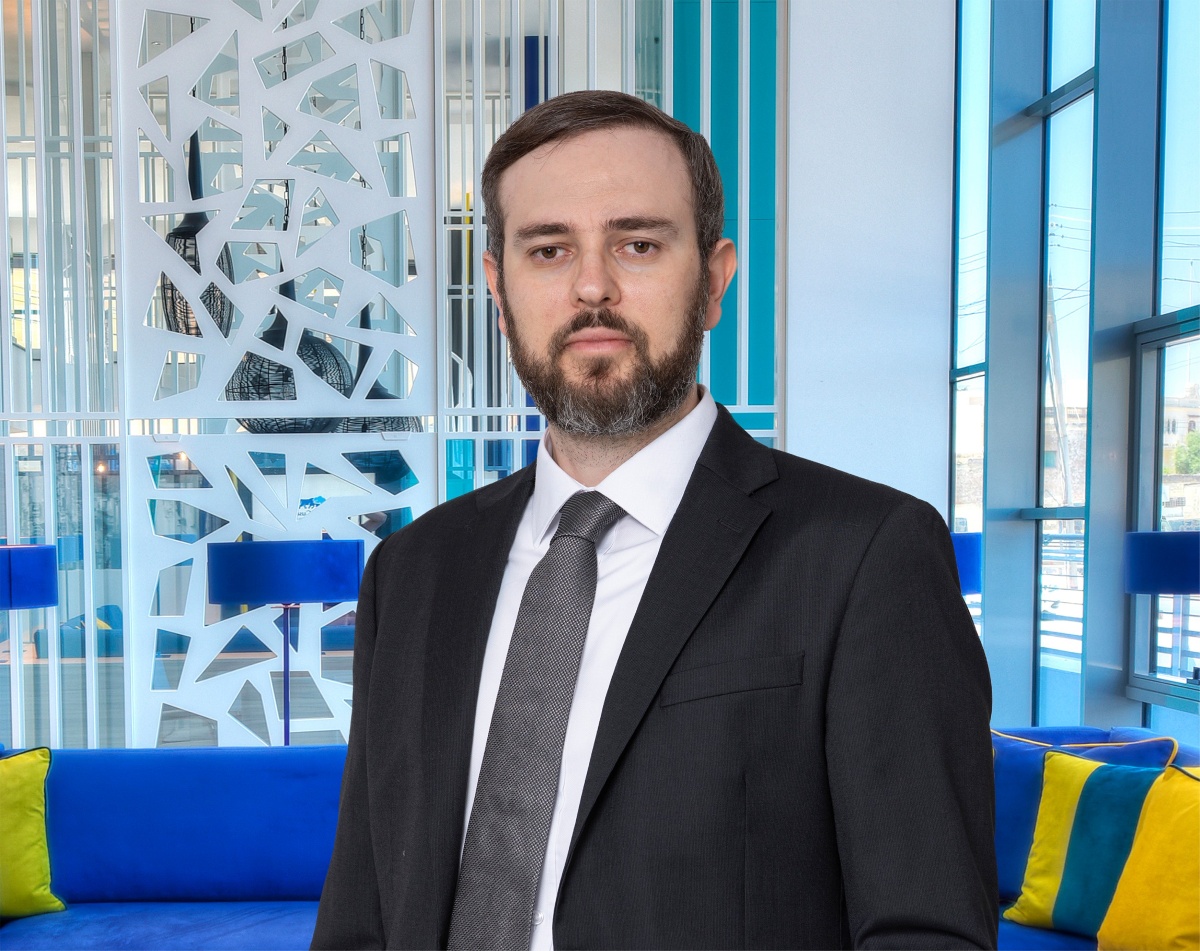
Malta must move towards an economic model that prioritises higher-value investment, innovation and productivity rather than continued growth through volumes, according to Calamatta Cuschieri Moneybase Chief Investment Officer Jordan Portelli.
Speaking to MaltaCEOs.mt ahead of the presentation of Budget 2027 on Monday 26th October, Mr Portelli warned that Malta's increasing reliance on a limited number of economic sectors could expose the country to greater risks over the long term.
"Malta’s economic model is becoming increasingly concentrated in sectors which are volume-driven. Inevitably this is creating infrastructural and social fatigue," he said.
While acknowledging the contribution of established sectors to Malta's economic success, Mr Portelli questioned whether the continued growth in volumes could deliver the same economic benefits indefinitely, also at the expense of our social wellbeing
He argued that the country's current model appears to depend heavily on growing the economy, potentially also to sustain the substantial levels of private investment undertaken in recent years.
Although this approach has supported economic growth, he believes its long-term sustainability warrants closer examination.
Attracting higher-value industries
Looking ahead to Budget 2027, Mr Portelli called on Government to introduce measures that would make Malta more attractive to industries capable of generating higher gross value added and improved productivity, which will also help in generating more skilled employment opportunities.
However, he stressed that economic diversification should not come at the expense of those sectors that have already established a strong presence in Malta.
"The objective should not be to move away from the sectors that have served Malta well," he explained.
"On the contrary, existing foreign direct investment in areas such as financial services, aviation, pharmaceuticals and gaming needs to be supported and given the conditions to continue investing and growing."
At the same time, he argued that Malta must look beyond its existing economic drivers and identify opportunities to attract innovative industries.
Such investment, he said, could generate benefits across the wider economy, supporting a gradual transition towards an economic model driven by value creation rather than expansion in volumes.
"This is why the upcoming Budget should not only focus on sustaining what we already have, but also on creating the conditions for what we want Malta's economy to become over the next decade," Mr Portelli said.
Greater incentives for private pensions
Beyond economic diversification, Mr Portelli also identified pension provision as an area requiring greater attention in the upcoming Budget.
In particular, he called for stronger incentives to encourage individuals to invest in private pensions, including measures to widen the scope and attractiveness of Malta's third-pillar pension framework.
He argued that strengthening retirement savings should be viewed not only as a matter of individual financial security but also as part of the country's broader economic strategy.
According to Mr Portelli, encouraging individuals to build greater financial resilience during their working lives could help sustain disposable income and consumer spending during retirement.
This, in turn, could support economic activity while potentially easing some of the fiscal and economic pressures associated with an ageing population.
"In other words, the objective should be to invest today in tomorrow's economic resilience," he said.
'More than getting bigger'
Reflecting on Malta's economic performance in recent years, Mr Portelli acknowledged the growth achieved but maintained that the next challenge lies in ensuring that this expansion remains sustainable and increasingly productive.
He believes the upcoming Budget should therefore look beyond measures aimed at maintaining existing economic activity and establish the foundations for a more diversified economy over the coming decade.
This would involve attracting higher-value investment, supporting innovation, improving productivity and strengthening household financial resilience, while gradually reducing Malta's dependence on a relatively limited number of economic drivers.
“Malta’s next phase of economic development should be about creating more value, not simply more volume, whilst prioritising productivity, quality and prosperity over growth for the long-term economic growth’s sake,” he concluded.
Mr Portelli warned that Malta should begin preparing for this transition now, rather than waiting for the limitations of its existing economic model to become more apparent.
Featured Image:
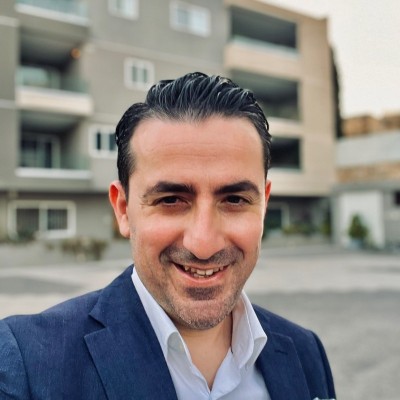
Jordan Portelli / cc.com.mt


Retention is the new recruitment strategy for Malta’s businesses
Recruitment remains competitive for businesses, so retaining a good employee can be just as valuable as recruiting a new one.

Two masterpieces, one remarkable instrument
Michael Pantalleresco explores the poetry, passion and brilliance of the clarinet in works by Mozart and Weber.
‘A setting we couldn’t be prouder of’: db CEO on Hard Rock Hotel’s new rooftop restaurant
Cyana’s head chef is Spiros Tzilis, a Greek chef who has worked at Michelin-starred restaurants.
‘AI might be faster and cheaper, but at what cost?’ – Aramis Capital MD
He warns that businesses risk sacrificing service quality, human judgement and accountability in their pursuit of greater efficiency through artificial ...
