

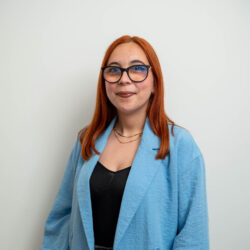
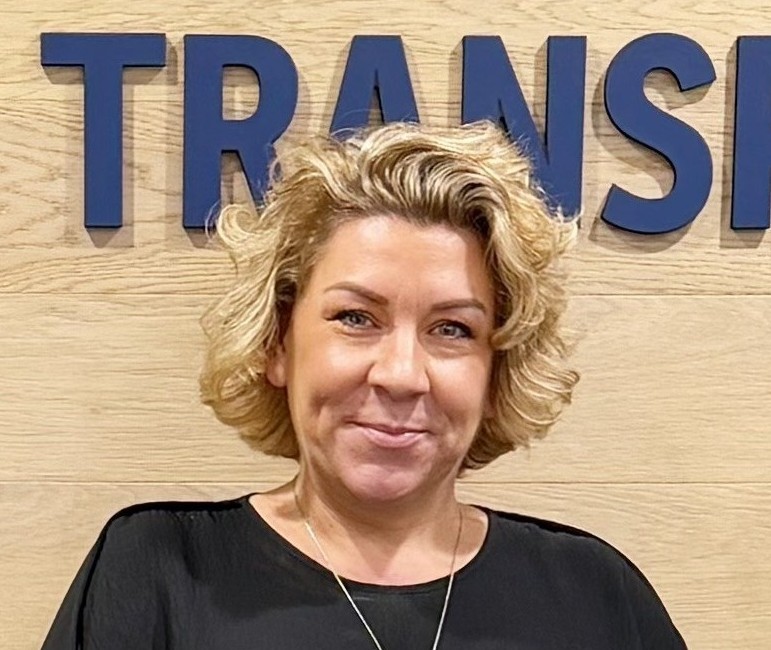
Founder of Women in Aviation, Marine and Transport, Ruth Sawers has voiced concerns over recent budget measures affecting third-country nationals (TCNs) in Malta, highlighting the potential impact on working women, childcare and the retention of skilled professionals in the transport industries.
In a LinkedIn post, Ms Sawers, who has 25 years of recruitment experience, including eight years in Malta, offered her support to international workers affected by the changes.
Ms Sawers expressed concern about differences in the rules and regulations applied to people based on their passport origin, as well as additional work permit (WP) charges. However, she identified the removal of free childcare as her main concern.
“What concerned me the most was the removal of free childcare,” she stated, adding that the change “will undoubtedly affect the working women amongst our colleagues under these terms”.
She also highlighted the importance of retaining skilled women in Malta’s transport industries, writing that “losing more skilled women in our transport industries is just not something we can afford to do as an island”.
Retaining skilled international professionals
Ms Sawers stressed that third-country nationals working in Malta include skilled professionals, challenging the perception that overseas workers are primarily employed in low-paid manual roles.
“Not all TCN are doing the low-paid manual work that some believe can be easily replaced with locals,” she wrote.
She explained that many skilled women and men join Malta’s industries from overseas and fall under third-country national status. Drawing on her recruitment experience, Ms Sawers also questioned whether Malta’s appeal to international workers remains strong enough under the new conditions.
“I can assure you the promise of 300 days of sunshine isn't enough of a sell anymore,” she stated.
She described the experience of workers who have been welcomed to Malta, subsequently brought their families to the island and built a home, only to feel that they are now being treated differently.
To describe their concerns, she wrote that such workers may feel they are being treated as a “2nd class citizen”, warning that this could lead them to seek opportunities elsewhere.
Support for workers and their families
Ms Sawers also highlighted the support available through Women in Aviation, Marine and Transport (WiAM&T), a network intended to support people working in these industries who have relocated to Malta with their families.
“Any support the Women In Aviation, Marine and Transport (WiAM&T) can offer please believe it is there for you, even just a coffee and a chat to navigate these changes if needed,” she wrote.
She concluded by reiterating that the network's commitment to supporting international workers and their families remains unchanged.

BOV results ‘demonstrate strength of business model’ – Chairman Gordon Cordina
The bank revised its profit guidance upwards on the back of what CEO Kenneth Farrugia describes as ‘strong execution’ of ...
Quinco Chairman criticises Budget 2027’s focus on consumption over competitiveness
'It is an economy facing supply-side pressures, infrastructural strains, and growing competitive pressures,' Norman Aquilina wrote.
APS Bank CEO Marcel Cassar calls for diversification amid rising cyber and geopolitical risks
The CEO emphasised the importance of building a more agile and resilient business model as the bank reported record profits ...
Corinthia Group CEO hails Accor partnership bringing Verdi into Handwritten Collection brand
Simon Naudi says the development of the group’s second brand will now benefit from Accor’s extensive global marketing reach and ...
