


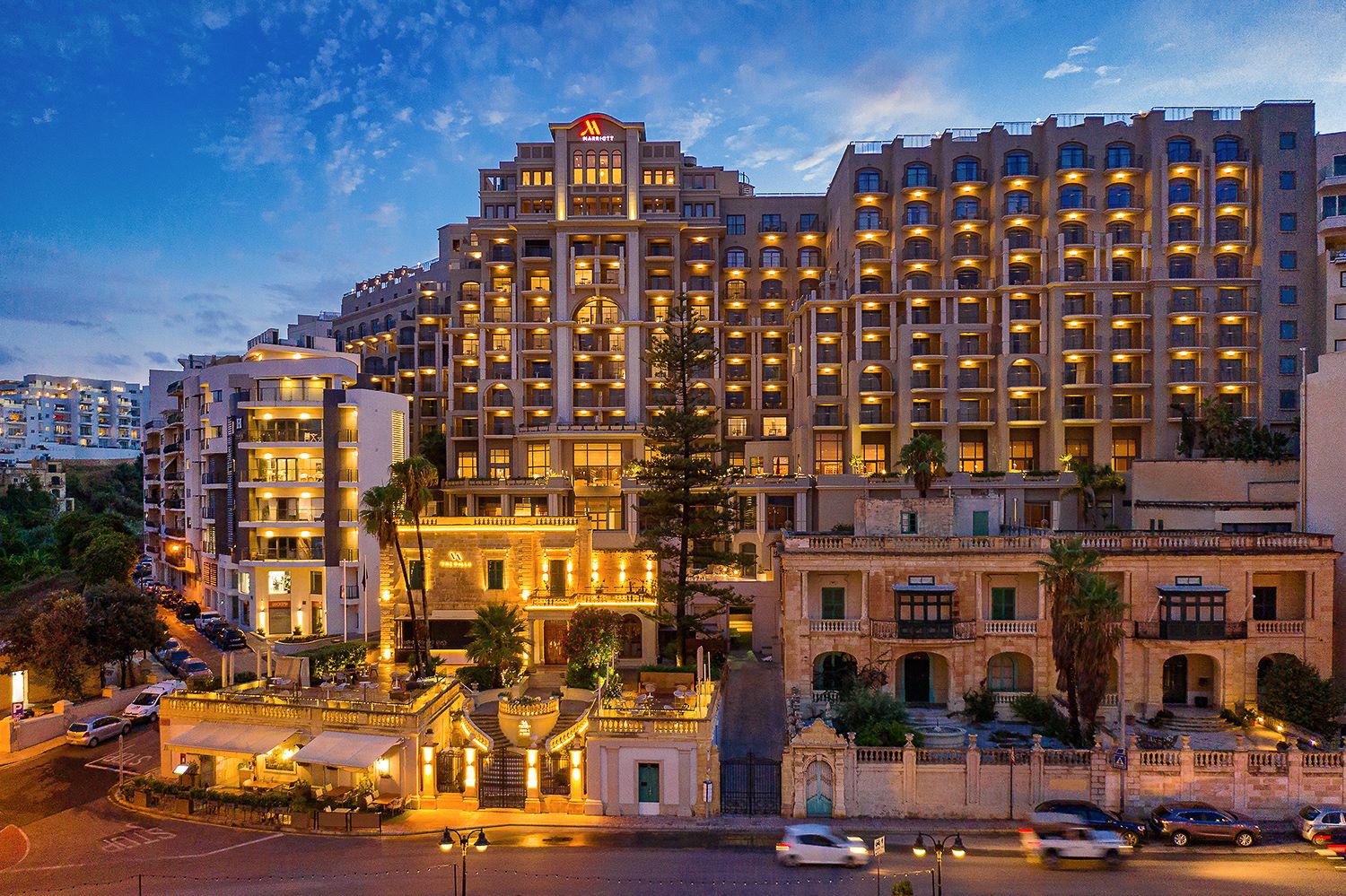
Malta Marriott has announced that it has been classified as a resort property within Marriott International's portfolio of nearly 600 hotels and resorts.
The resort onlooking Balluta Bay started welcoming guests in 2020.
The classification precedes a €40 million full-scale renovation, with the opening of Cala Lido, Bar and Restaurant.
“The classification to Malta Marriott Resort & Spa presents an opportunity to invite new and loyal travellers of Marriott Bonvoy’s flagship hotel brand,” said General Manager Alex Incorvaja.
The €4 million venue gives Malta Mariott “an uplift” in its leisure proposition through the introduction of an additional outdoor pool and children’s splash pool, a restaurant and bar, expanded banqueting space and a roof-top pool and indoor pool which forms part of its spa facilities.

Meanwhile Director of Sales and Marketing, Chiara Hensel Ellul said that with a global reach of over 200 million members with its Bonvoy loyalty travel programme, “Malta Mariott provides an ideal proposition for guests seeking a resort property in the Mediterranean and an additional worldwide promotional platform for the destination itself.”
Marriott International has over 30 brands and nearly 8,700 properties in 10,000 destinations across 139 countries and territories.
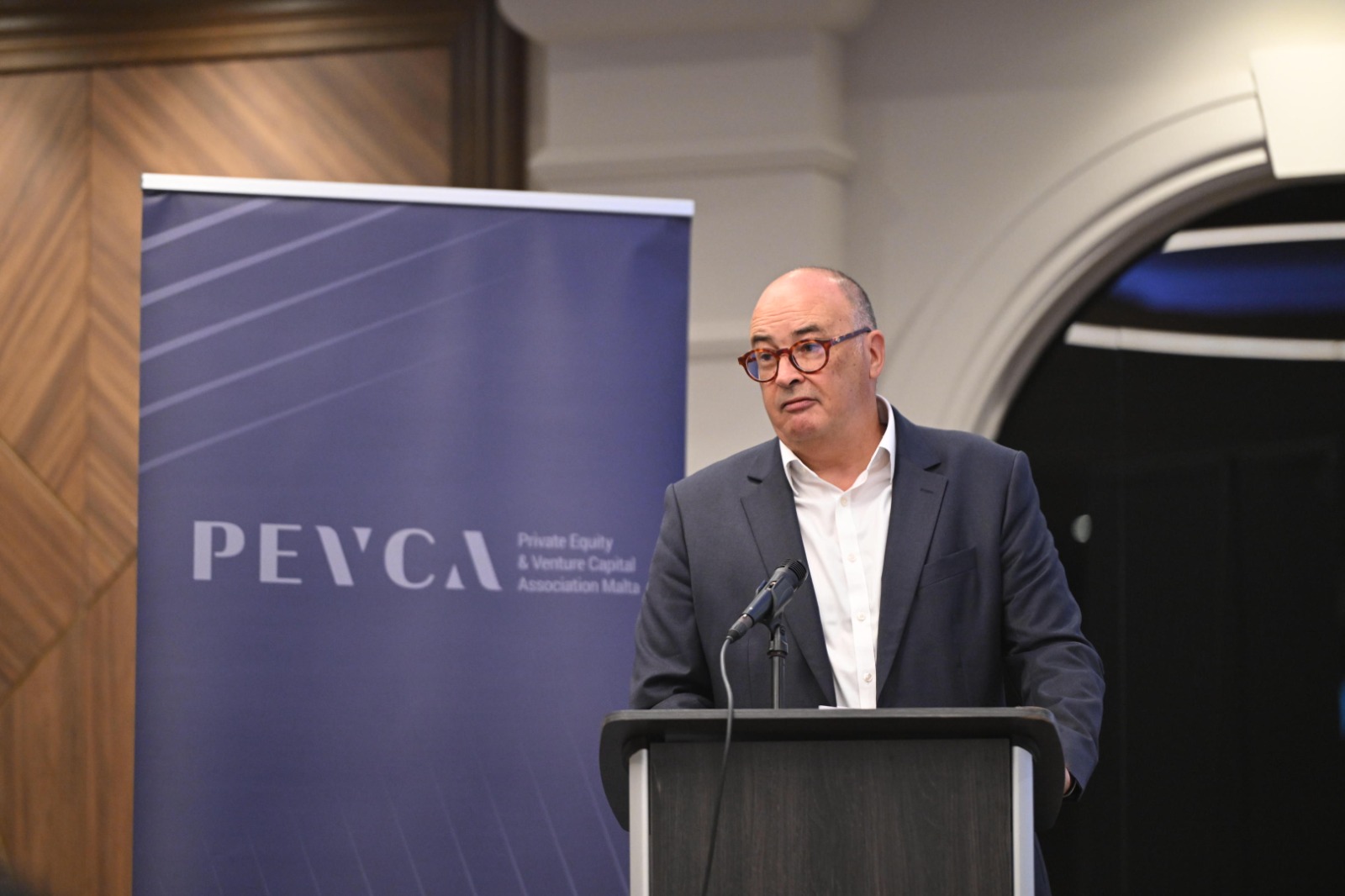



Malta must shift from a volume-driven model to a higher-value economy – Jordan Portelli
‘Malta’s economic model is becoming increasingly concentrated to sectors which are volume driven. Inevitably this is creating infrastructural and social ...

Retention is the new recruitment strategy for Malta’s businesses
Recruitment remains competitive for businesses, so retaining a good employee can be just as valuable as recruiting a new one.

Two masterpieces, one remarkable instrument
Michael Pantalleresco explores the poetry, passion and brilliance of the clarinet in works by Mozart and Weber.
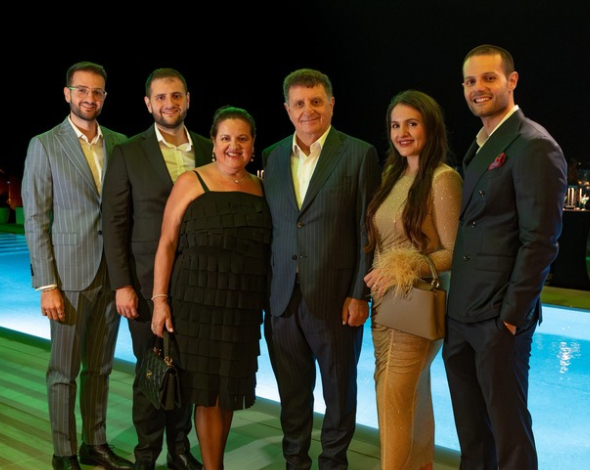
‘A setting we couldn’t be prouder of’: db CEO on Hard Rock Hotel’s new rooftop restaurant
Cyana’s head chef is Spiros Tzilis, a Greek chef who has worked at Michelin-starred restaurants.
