



Two of Malta’s leading economists have welcomed the super tax cut for parents announced in the 2026 Budget, saying the measure will have a positive economic effect by boosting consumption and increasing incentives to work.
Whether it will actually boost the birth rate, however, remains to be seen, with E-Cubed Consultants Executive Director Gordon Cordina and University of Malta Professor Philip von Brockdorff adopting a cautious wait-and-see approach.
“The fact that 68,000 would benefit from these tax cuts will boost disposable income and in turn consumption, which is the main driver of growth in the Maltese economy,” says Prof. Von Brockdorff.
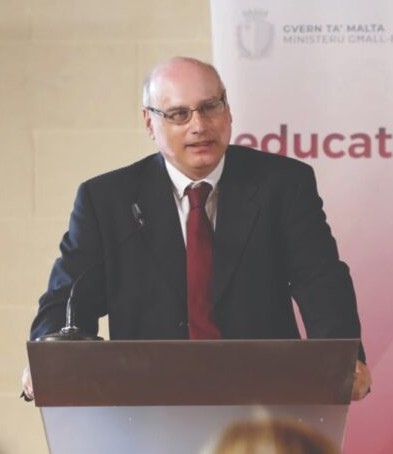
“Indirectly, it could encourage parents to have a second or third child, but that will of course remain a decision taken by parents themselves.”
Dr Cordina meanwhile describes the measure as a “win-win” that both provides more resources for families to invest in their children and creates more incentives to work.
However, he also notes that “for many families, income may not be the single or even the most important determinant of fertility.”
When the family measure is combined with an across-the-board cut in income taxes announced in last year’s Budget, it will result in maximum savings of €257,000 over 25 years.
Finance Minister Clyde Caruana characterised the cut as a “decisive” measure that sends families a clear signal by helping to severely limit if not eliminate any financial concerns they may have about having additional children.

“Parents will see this measure as one that supports child rearing, which means more than parenting, and which should be the objective of bringing up children,” says Prof. Von Brockdorff.
“Will the tax cuts reverse the low birth rate that has been in the making for at least 20 years?,” he continues. “At present, those who reach retirement age are exceeding the numbers of young persons entering the labour force, so we’re running against time to reverse the trend. As they say: better late than never.”
While the monetary benefit has largely been welcomed, similar concerns as to its ability to achieve its stated aim have been raised in other quarters.
Opposition Leader Alex Borg, in his response to the Budget, said the measure was “inconsistent” with current economic realities that leader people to “live to work, not work to live.”
Many on social media also argued that the measure “misses the point” of the strain on new parents by tying the maximum benefit to continued labour market participation.



Two masterpieces, one remarkable instrument
Michael Pantalleresco explores the poetry, passion and brilliance of the clarinet in works by Mozart and Weber.

‘A setting we couldn’t be prouder of’: db CEO on Hard Rock Hotel’s new rooftop restaurant
Cyana’s head chef is Spiros Tzilis, a Greek chef who has worked at Michelin-starred restaurants.

‘AI might be faster and cheaper, but at what cost?’ – Aramis Capital MD
He warns that businesses risk sacrificing service quality, human judgement and accountability in their pursuit of greater efficiency through artificial ...

‘We’re already late’: Employers chief calls for cross-party mass transport agreement
Through cross-party agreement, the solution will endure beyond individual legislatures, he explains.
