

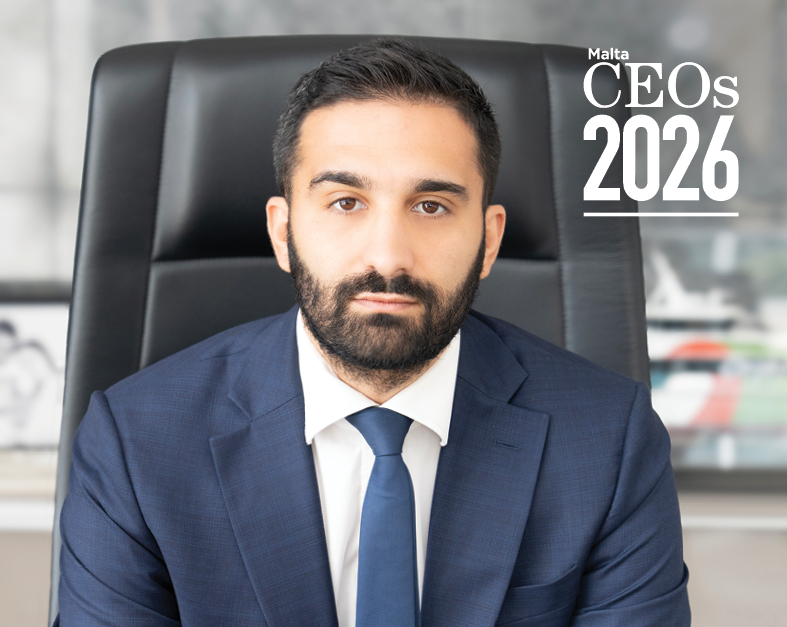
Fabio Muscat, CEO of OZO Group, is leading Malta’s largest private employer through a period of intense transformation. Having navigated post-pandemic recovery and new legislation, he is now focused on strategic international expansion into Hungary and Qatar. For 2026, the priority at home is consolidation and demonstrating that a purpose-driven, ethical employment model is the only path to sustainable long-term growth.
Taking charge of OZO Group during the COVID-19 pandemic was a “baptism of fire” for Fabio Muscat. As CEO of a human resources powerhouse servicing the hard-hit hospitality and manufacturing sectors, the crisis was a test of leadership and logistics. “That period strengthened my values and taught me that purpose is very important,” Fabio remarks.
His conviction now drives the group through an industry reshaped by licensing regimes, migration policies and artificial intelligence (AI). For Fabio, surviving – and thriving – in this environment demands two essentials: agility and relevance. “We’ve seen large, traditional companies go bust because they couldn’t adapt,” he notes. “For us, it’s vital to understand the context and always stay one step ahead.”
This forward momentum is balanced by the more personal pressure of family legacy. Fabio grew up in the business his father founded, instilling in him a “founder’s mentality” that sometimes blurs the line between professional and personal. “What my father left for me, I want to leave for my children,” he shares. “As a founder, you are the reflection of the company, and the company is a reflection of you.”
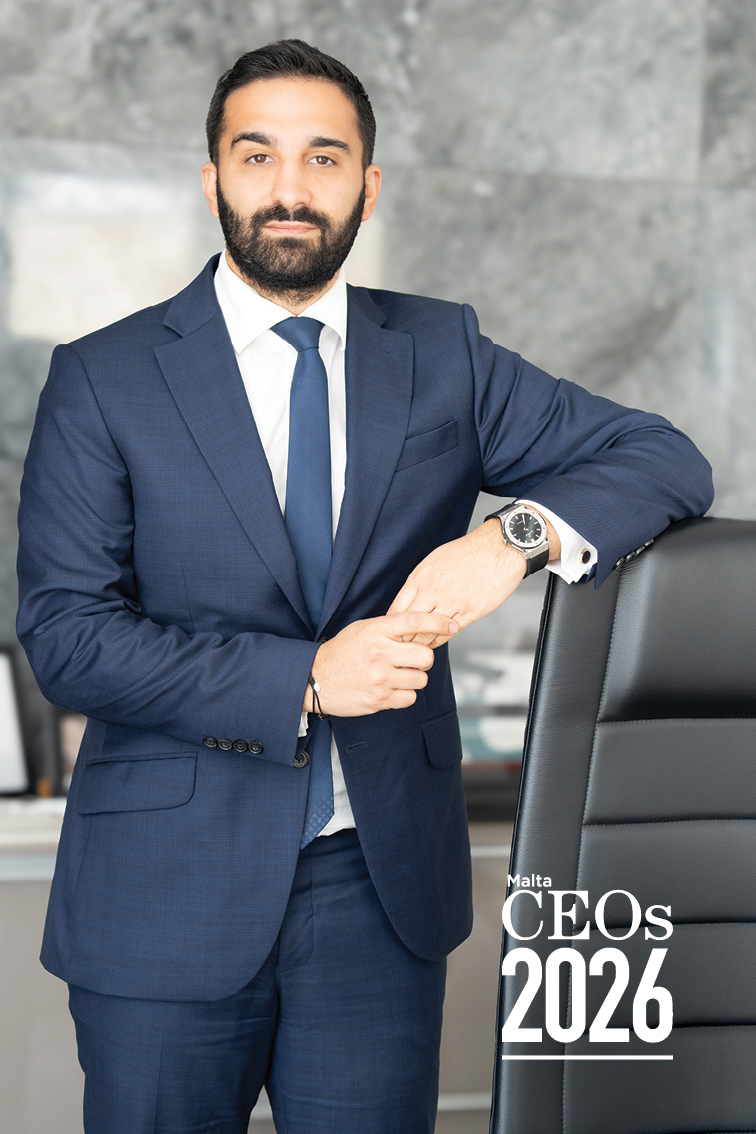
Preserving that legacy requires breaking old patterns. “The key is to surround yourself with loyal people who understand your vision, give honest feedback and help execute,” he explains. Fabio actively cultivates diverse thinking, bringing together different industries, backgrounds and ages. This is especially effective as a practical defence against stagnation, as seen in the varying generational attitudes towards work-life balance and mental health awareness. “When everyone agrees with me, I know something’s wrong. Without different perspectives, there’s no challenge,” he points out.
This focus on people carries weight. “We employ 3,000 people. That’s 3,000 families depending on us. Our greatest asset is the human being, so I need to make sure that one small, bad move does not end up affecting livelihoods,” he asserts. The burden intensifies for the group’s large contingent of third-country nationals (TCNs). “For them, this is the European dream,” Fabio says, fully cognisant of their precarious social reality. “We need to be at the forefront of removing their vulnerability.”
OZO Group takes this responsibility seriously and has embedded the principle into its strategy. Unionised since 2016, the company joined the Slave Free Alliance three years ago. “I wanted external validation that we’re not part of modern slavery, directly or indirectly,” Fabio explains. This reflects his commitment to industry reform, which goes beyond his role at OZO, as Founding Member and President of the Association for Temping and Outsourcing Agencies (AFTA). “I didn’t want to assume that, just because we’ve been doing something for 30 years, it automatically means everything’s fine.”
The group initially lost market share while competitors cut corners, but the gamble paid off, with OZO’s ethical positioning creating competitive advantage. “Serious clients want ethical employers,” Fabio notes. “As a result, the market has improved – and end clients no longer abdicate responsibility. We knew that, in the long term, we would regain that market share, and we did. Profitability is important, but it has to go hand-in-hand with purpose. If you only look at short-term profits, you will not make it through.”
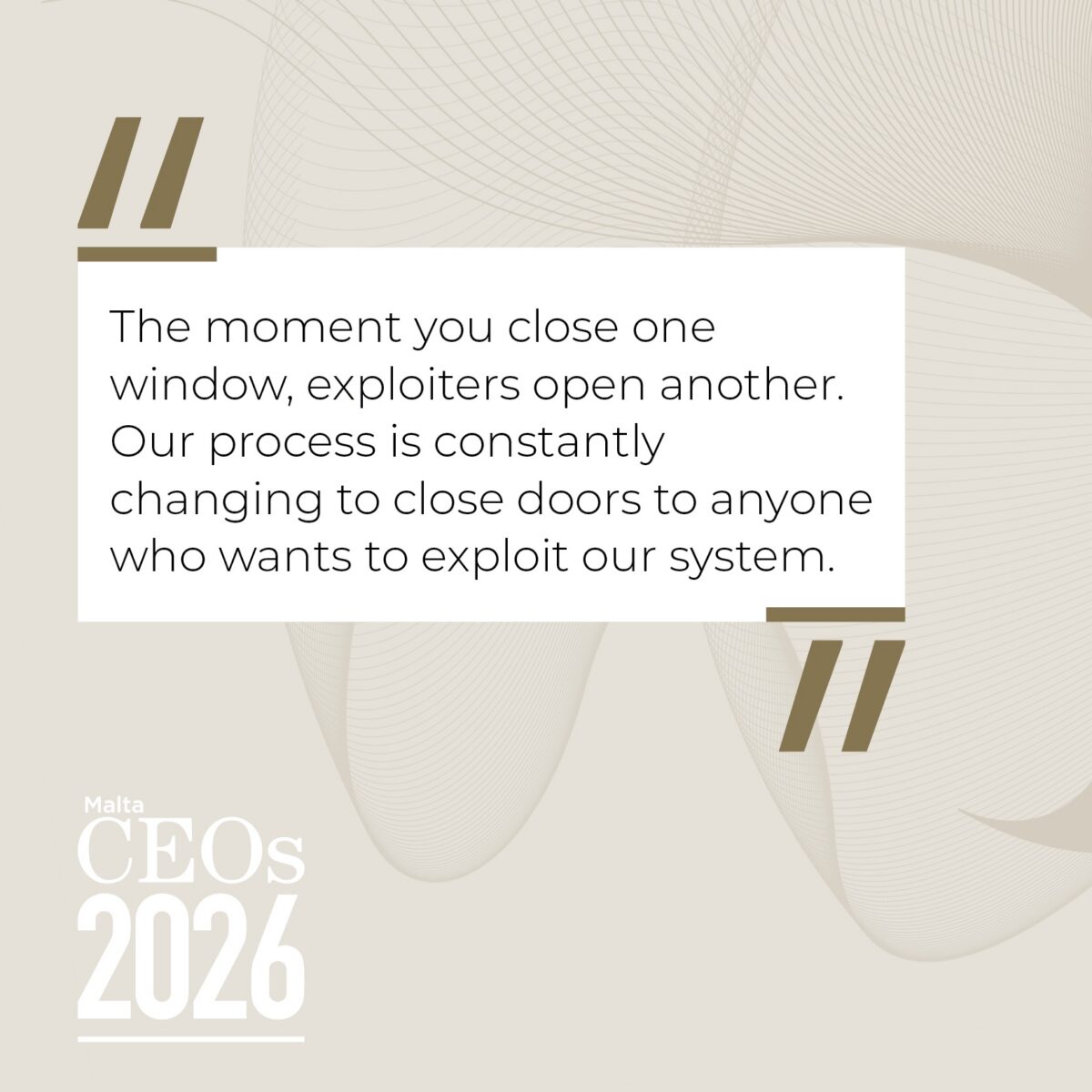
Maintaining standards requires constant vigilance. The group implemented structural changes following a gap analysis, including systems to identify vulnerabilities in the markets they recruit from. “This is not a static document; it’s a living framework,” Fabio stresses. “The moment you close one window, exploiters open another. Our process is constantly changing to close doors to anyone who wants to exploit our system.”
That system has been under immense pressure. Post-pandemic recovery, combined with new outsourcing laws and migration policies, created a chaotic landscape. “There was a huge demand for personnel but no supply, which created a vacuum for ‘rogue operators’,” he recalls. “We were competing against operators with no principles, not on level terms.” Despite personally lobbying for licensing reform, implementation remains challenging. Still, OZO has returned to pre-COVID-19 levels of growth, validating its purpose-led strategy.
Technology presents another challenge and, as a company built on people, OZO Group’s stance on AI remains measured: “Certain jobs, especially in hospitality, still depend heavily on humans.” While Fabio foresees robotics shifting manufacturing roles, “the human element will always remain.” He encourages his own back-office teams to use AI tools, but not to rely on them. “AI can help us be more professional and agile,” he asserts, “but the human touch cannot be replaced. I want people at my table, not robots. A tool can help me think, but it cannot stand in for human judgement.”
To adapt to these new realities, OZO is planting flags beyond Malta’s shores. “We strongly believe in internationalisation,” Fabio shares, explaining that the group is running pilot projects in Budapest and Doha. “The cultural differences there are huge. The formula we use here does not necessarily work in other countries.”
He explains that, while Qatar is accustomed to TCNs, the Hungarian market for TCN recruitment is still in its infancy and the constant legislative changes caught the group off guard. “We spent months recruiting employees from a list of specific countries. As soon as we had the documentation ready, the Government changed the policy and those countries were no longer allowed. That changes the whole ball game and puts you back three months. Those are three months that you absolutely don’t have to spare when dealing with a hotel.” The hard-learnt lesson for Fabio has been to “seek out local partners for market insight, rather than going in blind.”
As for Malta’s recent regulatory overhaul, Fabio’s view is optimistic. “Challenges create opportunities,” he insists. “Right now, the industry is going through a necessary cleanup phase, eliminating the rogue entities. This is the opportunity. We are going to have a stronger industry, shown in a much better light,” he says. “Competition will increase, but now it will be based on standards.”
For 2026, Fabio links Malta’s economic health to human capital strategy. “Understanding the nation’s needs for the next couple of years will make or break the economy,” he emphasises. Pushing back on simplistic arguments about overpopulation, he points to the structural realities of “a low fertility rate, an ageing population and near-zero unemployment” that necessitate foreign workers.
Fabio proposes a three-part solution for a sustainable workforce: “First, ensuring that employers are not exploiting third-country nationals. Second, understanding what the country needs and aligning with it. Third, helping TCNs adapt to our culture while removing their vulnerability.”
This includes educating TCNs before they arrive, outlining the dos and don’ts for seamless integration and making sure they know their rights. “People are exploited because they don’t know their rights,” Fabio says. “We need to teach them what unions stand for and how the Whistleblower Act works. By giving them the right education, they will be less susceptible to exploitation.”
This reasoning extends to Fabio’s view of Malta’s wider business landscape: “Locally, we have proven that we are very resilient, but gone are the days of only looking out for the cheapest price. Long-term success requires ethical foundations too.”
For OZO Group, the goals for the year ahead are clear. “We are focusing first on local consolidation, as there is still market share that we need to get back,” Fabio affirms. This will be paired with diversification within the outsourcing sector and identifying new international jurisdictions. “By this time next year, we will hopefully have another addition to our portfolio of international offices.”
This article is part of the serialisation of 50 interviews featured in MaltaCEOs 2026 – the sister brand to MaltaCEOs.mt and an annual high-end publication bringing together some of the country’s most influential business leaders.
‘Greed harms businesses more than anything else’ – Wolfgang Tweraser
The TW Consulting & Trade Ltd CEO believes Malta has much more to offer: ‘It could be like a little ...
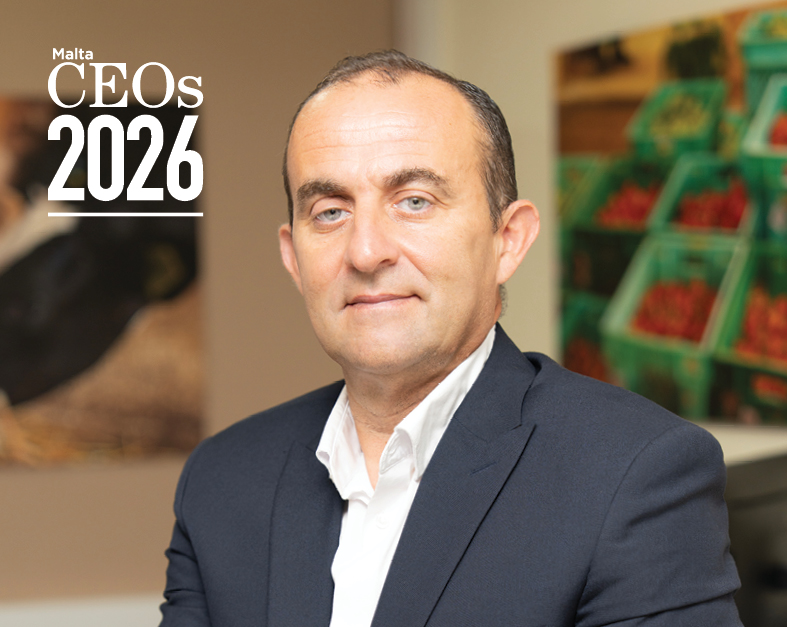
‘We can’t promote tourism without agriculture’ – Malta Food Agency CEO Brian Vella
‘I envision having fewer farmers, but more productive ones.’
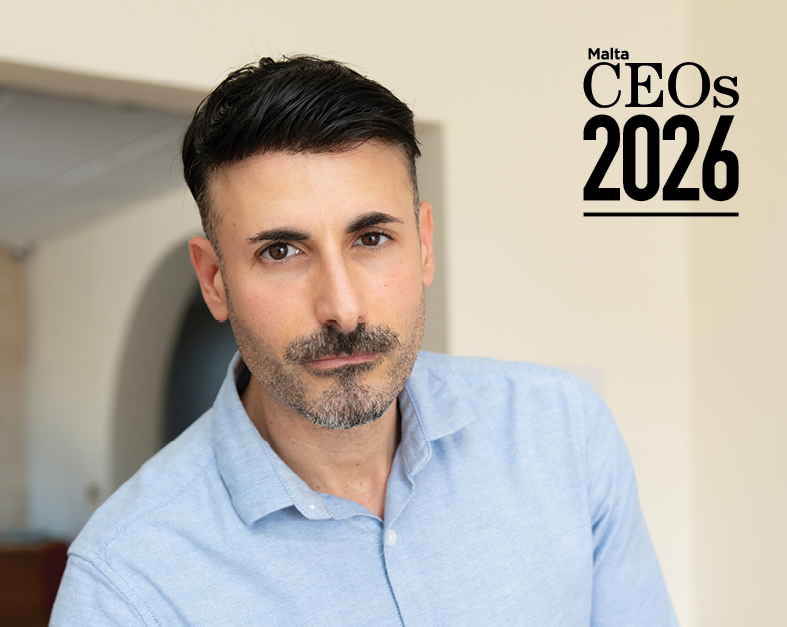
‘Not everything can be taught through textbooks’ – MUHC CEO Chris Schinas
‘I see my role as using the university’s name, its facilities and its resources to build a successful commercial arm.’
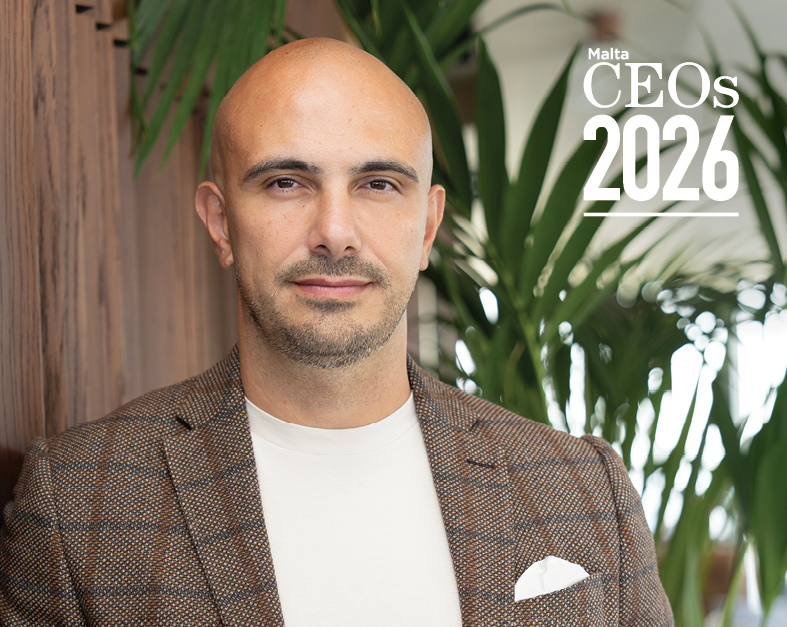
‘Retention is the new recruitment’ – HR Plus Managing Director Adrian Buttigieg
‘Starting from the ground up teaches you to value every team player.’
