



Nowadays, Marshall McLuhan’s vision of a ‘global village’ is more relevant than ever, as today’s workforce collaborates across borders with ease.
Employees from around the world contribute diverse ideas, work ethics, and cultures that push businesses from local to global. However, managing this cognitive diversity – where millennials prioritise blending different attitudes, experiences, and problem-solving processes – requires careful strategy.
Leverage employees’ strengths
Effective management identifies an employee’s strengths and weaknesses and capitalises on the former. By recognising individuals as experts in areas like detail orientation or creative thinking, you empower them and drive emotional investment in projects. As companies grow and evolve, aligning employee strengths with business goals ensures motivation and retention, fostering continuity and consistency.
A respectful environment is crucial
Cultural differences, work habits, and personal preferences should be accommodated, but with clear planning to avoid disrupting workflow. Balancing respect for diversity with discipline creates harmony in the workplace, and prevents HR blunders down the road.
Tailored management is key
Treat employees fairly, but understand that feedback and flexibility need to suit individual personalities and situations. Some individuals work best in a hybrid format, whereby they split their time between remore and onsite work. The role of HR evolves here – becoming strategic communicators who align company strategy with diverse team members.
Communication is at the heart of managing diversity. To ensure alignment between your company’s goals and employees’ personal development, effective communication tools and strategies are essential. Without them, businesses risk creating division instead of unity in this increasingly global and diverse workforce.


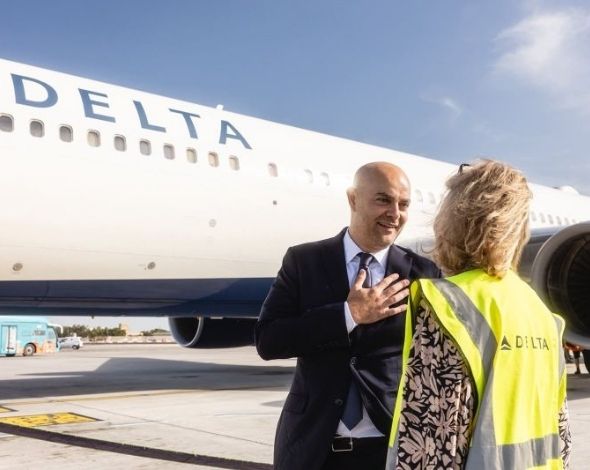
Airport CEO frames new Malta – New York route as shared tourism sector obligation
Alan Borg stresses that sustained success will depend on delivery across the tourism value chain.
Lift Services CEO pays tribute to much-loved colleague Jithin
Alexander Chetcuti said Jithin had a remarkable way of brightening the day of those around him

Summer office style: 10 trends professionals can wear to work
Silk scarves, polka-dot blouses, colour-blocked dresses, and lightweight striped shirts.
Delta’s direct flight to Malta is ‘excellent news for our country’ – Tony Zahra
Delta Airlines operated its first direct flight from New York to Malta on Monday.
