



A growing share of the capital flowing into artificial intelligence may be circulating within a closed loop of major technology firms, raising questions about how growth, revenue and valuation are being presented, according to Investor and Tech Entrepreneur Simon Azzopardi.
In a LinkedIn post, Mr Azzopardi argued that what is being framed as investment, funding rounds and revenue across leading AI players may, in part, reflect “circular financing” between a small group of companies, rather than value generated from outside the ecosystem.
At the centre of his argument is the relationship between companies such as Amazon, Microsoft and Nvidia, and AI developer OpenAI.
Mr Azzopardi describes a cycle in which large investments are paired with equally significant commercial commitments. For example, a cloud provider may invest billions into an AI company, which in turn commits to spend heavily on that same provider’s infrastructure. In such cases, one company records an investment while the other records revenue or funding, with both reporting growth.
“Over $800 billion is circulating between the same six companies right now,” he wrote, adding that this dynamic risks creating an inflated picture of financial performance. He likened the situation to “the most sophisticated accounting fiction since Enron scandal.”
Despite his criticism, Mr Azzopardi emphasised that the underlying technological progress in AI remains genuine.
“The AI tools are real. The breakthroughs are real. The productivity gains for businesses using this technology are real,” he noted, arguing that these advancements risk being overshadowed by concerns over how financial metrics are presented.
However, he cautioned that headline valuations – including those attributed to OpenAI – may be influenced by funding structures that resemble long-term procurement agreements as much as traditional investment.
He also pointed to projections that OpenAI could remain loss-making for several years, raising questions about how such valuations are justified in the near term.
Concerns extend beyond core tech players
In the discussion that followed his post, other commentators expanded on the potential implications of these dynamics.
One contributor suggested that the issue may extend beyond financial structures to how businesses operate internally, arguing that resilience depends on whether organisations genuinely take ownership of outcomes rather than relying on rigid roles or systems.
Another noted that while the “closed loop” may involve a handful of major companies, the broader risk could sit with external investors, including pension funds, sovereign wealth funds and retail investors, who may be indirectly exposed to valuations shaped by these interdependent transactions.
This raises questions about accountability, particularly if valuations were to correct and losses were felt outside the core group of firms.
Mr Azzopardi concluded by calling for closer regulatory attention, particularly from authorities familiar with past corporate failures.

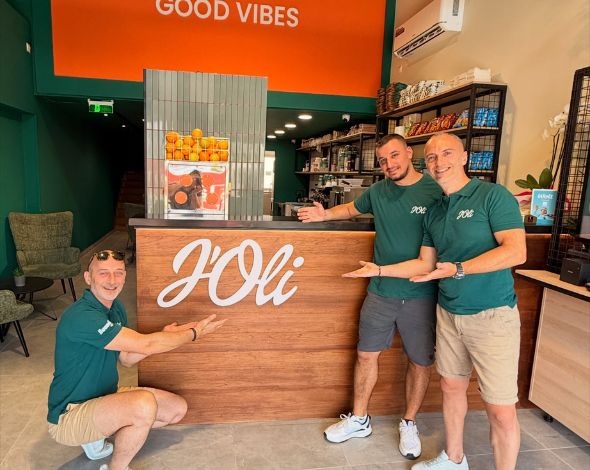
‘A very proud moment’: J’Oli Co-Founder celebrates new Cypriot outlet
Jean Paul Cascun says new Paphos outlet is 'only the beginning'.
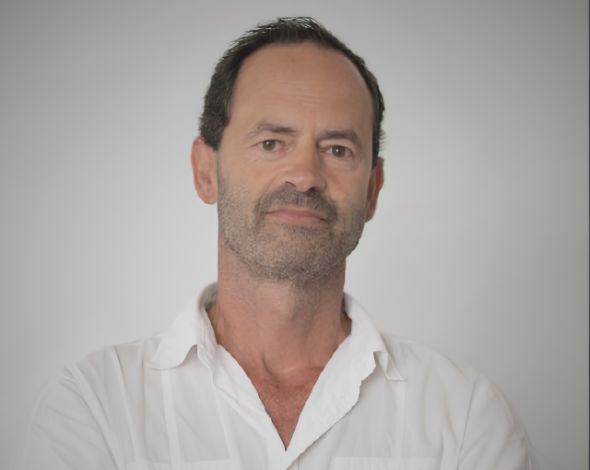
Stefan Riolo appointed Executive Director of Clearflowplus
Stefan Riolo succeeds David Sacco in the executive role.

Beyond the boardroom: How St John’s Co-Cathedral is redefining corporate engagement
The country's mix of heritage venues and close-knit business community means familiar settings can be transformed into something genuinely memorable.

Sawadee Valletta! Iniala brings Thai family-style dining to Malta
Led by celebrity chef Ian Kittichai, Anaalā takes diners on a journey across Thailand with four rotating menus.
