



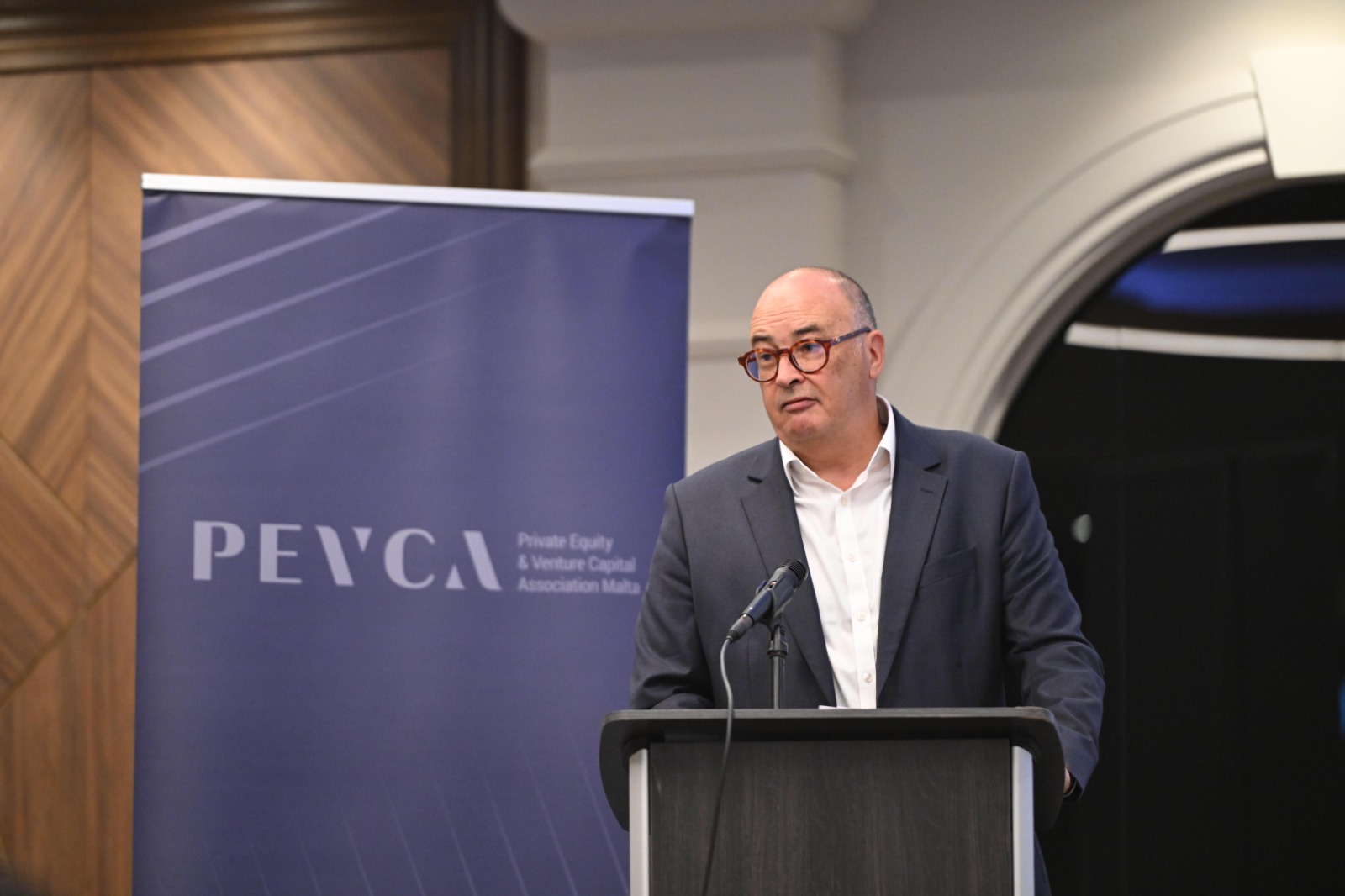
Malta must move beyond managing migration and begin prioritising the integration of third-country nationals (TCNs), according to Corporate ID Group Corporate Communications Director James Vella Clark, who has warned against treating foreign workers as a problem to be solved.
His comments come amid ongoing debate surrounding measures announced in Budget 2027, presented by Finance Minister Clyde Caruana on Monday (26th October).
Among the measures announced are the removal of free public transport and free childcare benefits for certain categories of TCNs, alongside increased fees associated with employing foreign workers.
The proposals have sparked mixed reactions, particularly among businesses that rely heavily on foreign labour.
Weighing in on the debate through a LinkedIn post, Mr Vella Clark argued that the issue extends beyond the sectors traditionally associated with foreign workers.
"When we hear 'TCNs', we often think of delivery couriers, construction workers or healthcare staff. Yet many also occupy high-paying, specialised roles," he observed.
"The bigger picture is that Malta may need to move beyond managing migration and start managing integration; politically, culturally and most importantly, socially."
He stressed that foreign workers have become an integral part of Malta's economic structure, contributing to businesses, essential services and economic growth.
"TCNs are no longer temporary to our economy. Their contribution to businesses, essential services and economic growth is too deeply embedded to simply reverse course. Some may leave, but many will stay. That's my gut feeling."
While acknowledging shortcomings in Malta's approach to foreign labour, Mr Vella Clark cautioned against attempting to reverse previous policies through measures that could further alienate foreign workers.
"The approach to foreign labour was a mistake, but now, we cannot correct it through drastic measures that treat people as a problem."
Instead, he called for investment in integration, stronger social cohesion and greater dignity across all forms of employment.
His remarks also highlighted the need for Malta to reconsider its economic model, particularly its dependence on increasing labour supply to sustain growth.
"At the same time, we need a genuine shift towards a higher-value economy that attracts skilled and specialised talent rather than relying excessively on labour quantity."
The argument reflects a broader debate about Malta's economic direction, with businesses facing the challenge of balancing labour shortages, rising employment costs and the need to improve productivity.
Mr Vella Clark also maintained that responsibility for the current situation rests with those who shaped Malta's approach to foreign labour.
"Those at the top must take responsibility for the system they have built. Like it or not, TCNs are now part of Malta's reality."
He concluded by suggesting that the debate should no longer centre on whether foreign workers have a place in Malta's future, but rather on whether they will be given an opportunity to contribute to shaping it.
"The question is no longer whether they belong in our future, but whether we are willing to recognise that they too, might want to help shape it."
"This only means one thing: that the real change must begin with us."
Main image: James Vella Clark via Instagram


When should founders bring in a board and why it matters
A well-functioning board brings external expertise, different perspectives and strategic oversight.
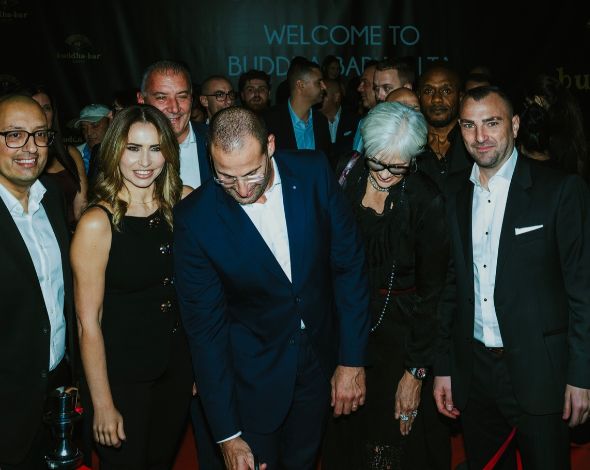
Azzopardi Group and Salv Group launch Malta’s first Buddha-Bar
Joseph Azzopardi says their vision was to bring something truly special to Malta.

Matthew Spiteri is new General Manager at Ross Street Hotel
The new 51 room hotel is located in the heart of St Julian’s.

Edward Grech appointed Head of Finance and Treasury at Izola Bank
He brings more than 30 years of experience in the financial services sector to his new role.
