


The rapid rise of artificial intelligence (AI) is reshaping industries across Europe, transforming the very nature of work. Yet, as innovation surges ahead, so do concerns about who gets left behind.
At a recent panel discussion co-organised by The Malta Chamber, the General Workers’ Union (GWU), and the Malta Business Bureau, these concerns took centre stage under the theme “The Ripple Effect of AI on the Labour Market.”
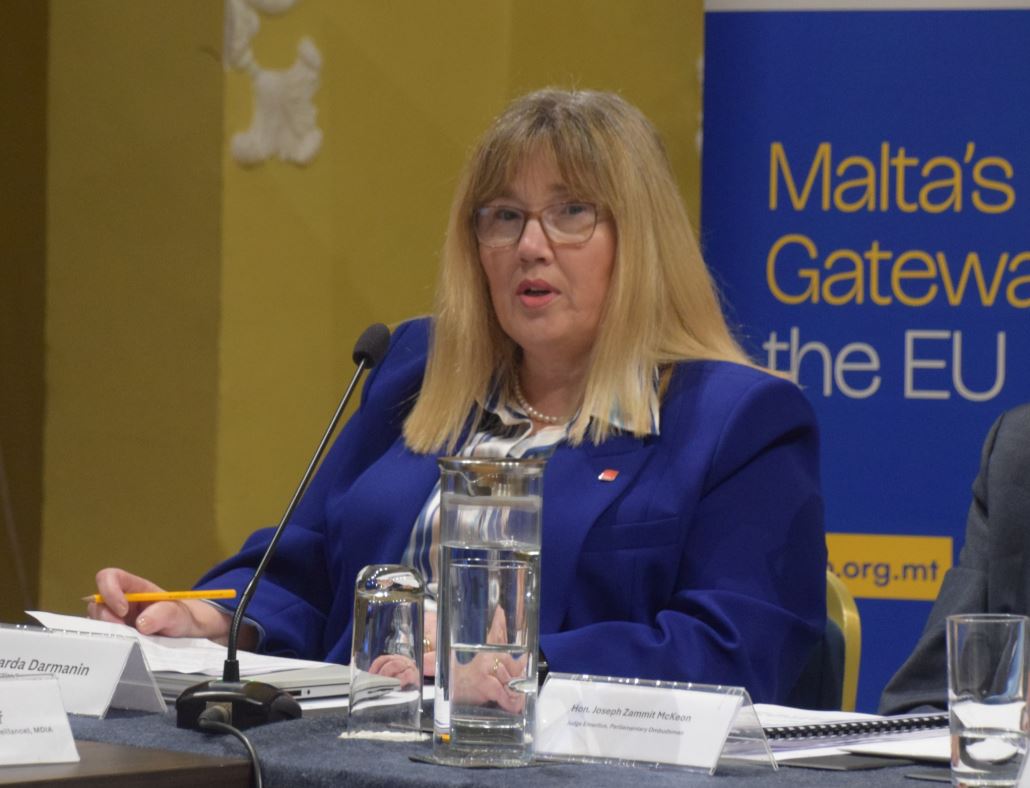
Representing the GWU, Riccarda Darmanin, Section Secretary for the Professionals, Finance, and Services Sector, emphasised the critical importance of ensuring that AI’s benefits are distributed fairly across the workforce. The event, part of the second phase of the European Commission-funded TransFormWork II project, aims to help social partners navigate the challenges and opportunities brought by AI for a just transition into the future of work.
The findings from the TransFormWork II initiative, led by the KNSB – Confederation of Independent Trade Unions of Bulgaria, reveal a stark divide: While some workers have successfully integrated AI tools into their daily tasks, boosting productivity and opening new opportunities, others remain uncertain or disconnected.
“Some employees are unsure how AI is applied in their workplace, while others struggle to adapt due to steep learning curves or fears over job security,” Ms Darmanin explained. “This divide presents an urgent challenge. We must ensure that the benefits of AI are shared equitably across all sectors of the workforce. It’s not just about embracing innovation – it’s about leaving no one behind.”
The GWU is strongly advocating for a human-centred approach to AI integration. Ms Darmanin highlighted key strategies: Reskilling and upskilling workers with digital literacy and technical skills, redesigning job roles to ensure AI augments rather than replaces human labour, and promoting human-AI collaboration rather than surveillance or displacement.
She also pointed to emerging roles such as AI ethics officers, data analysts, and automation supervisors as opportunities for the workforce, provided there is the right support in place.
“AI is not a threat, it’s a tool,” Ms Darmanin stressed. “But how we choose to implement it will determine whether it divides or unites our workforce. That’s why we’re calling on employers, policymakers, and tech developers to take a people-first approach.”
For AI integration to succeed, Ms Darmanin emphasised the importance of ethical AI governance frameworks that prioritise worker welfare, build trust through transparency, and involve workers in decisions about AI integration.
The GWU is actively working with employers to incorporate training and job security strategies into collective agreements, ensuring workers are prepared for the shifting labour landscape and reducing the reliance on imported talent.
“Let’s build bridges, not barriers. Let’s ensure AI works for everyone,” Ms Darmanin concluded.
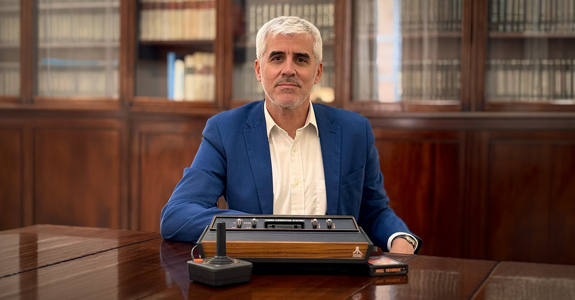
Fenech & Fenech Advocates appoints Antonio Ghio as Chief Innovation and Technology Officer
Antonio Ghio is an IT Law expert and has been with the firm for the past 25 years.
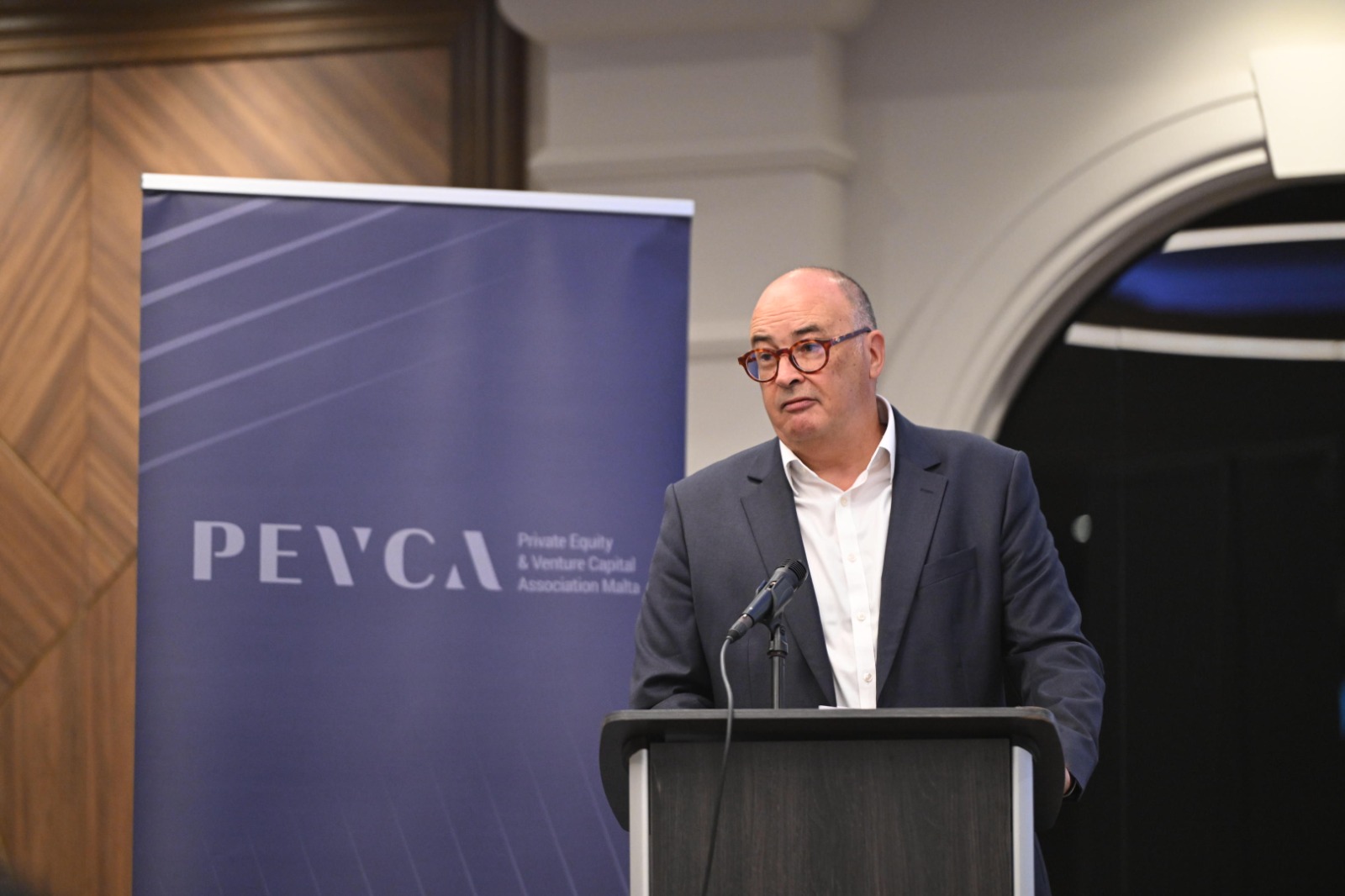
‘Considerable potential’ for Malta to develop as a private equity and venture capital hub – PEVCA head
He said that private equity and venture capital play a vital role in modern, innovation-driven economies.
Nancy Pavlaki appointed Chief Financial Officer at Ramla Bay Resort
Prior to taking up the post, she worked in a number of financial positions in the hospitality industry.

Kyle Antoni Pace Cumbo appointed Chief Commercial Officer at Iniala
'I’m incredibly excited about what comes next,' he said.
