


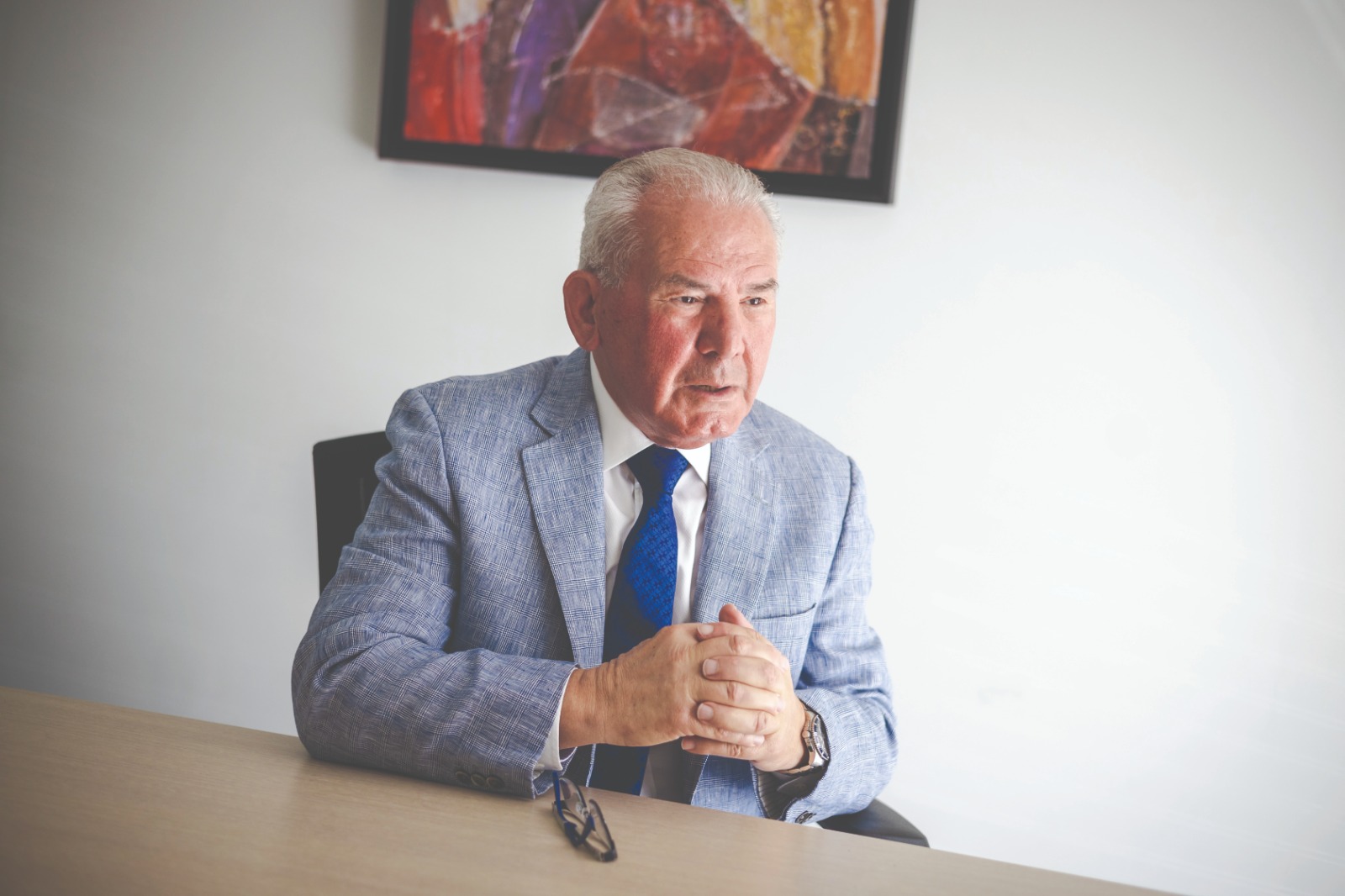
Malta Hotels and Restaurants Association (MHRA) President Tony Zahra said the summer power cuts should serve as a wake-up call for Malta to tackle the realities of climate change.
“It’s no longer a question of whether climate change will happen; it is happening as we speak and it must be tackled,” he tells MaltaCEOs.mt.
“I’m actually surprised that the Climate Action Authority hasn’t issued a statement to say that these higher temperatures are here to stay and that we need to figure out how to manage it.”
“Denying it won’t solve anything – if we anticipate the problem from now, the worst outcome would be that we were overcautious but the best would be that we were prepared.”
Mr Zahra said the MHRA is considering calling a Malta Council for Economic and Social Development (MCESD) meeting specifically to discuss how to manage climate change.
In terms of the recent power cuts, Mr Zahra said none of the major hotels have been impacted yet since they all invested in standby generators.
“As a large hotel owner, you can’t afford to take the risk of not installing a generator. Electricity isn’t a luxury – people expect you to have it,” he said.
“Without power, how do you run your lifts? How do you keep your fridges and freezers operating? These are serious issues, and the cost of not having a generator could be far greater than the cost of installing one.”
“However, he said smaller establishments, such as boutique hotels, may struggle to install generators, not so much because of the cost, but because of logistical constraints.”
““Even the smallest generator for a 15-room hotel measures around 1 by 2 metres, which isn’t insignificant for an establishment of that size.”
“They’re also diesel-driven and need to be placed in a space where the exhaust can exist safely.”
He said the issue is even worse for restaurants.
“Most don’t even have enough inside seating let alone space for a generator.”
Moving forwards, he said Enemalta should continue upgrading the national electricity distribution network that it started in the wake of the notorious 2023 power cuts.
“Back then Enemalta said the problem was electricity distribution, not generation, and that it would take two years to bring the network up to scratch.”
“However, my information at the time – from people in the know – was that it would actually take four years. It wasn’t an issue of money but of how fast they could carry out the works to strengthen the grid.”
“I think it turned out that this information was correct and it needed four years after all.”
Related
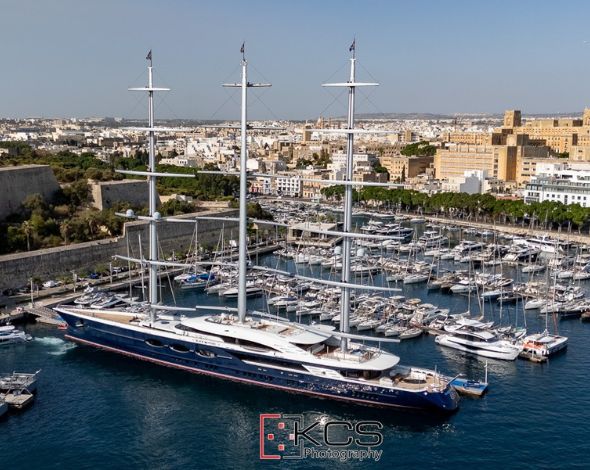
Marina Di Valletta hosts massive 106.7m Black Pearl superyacht
The superyacht has a dancefloor, a movie theatre, underwater lights, a beach club, a gym, and a deck jacuzzi.
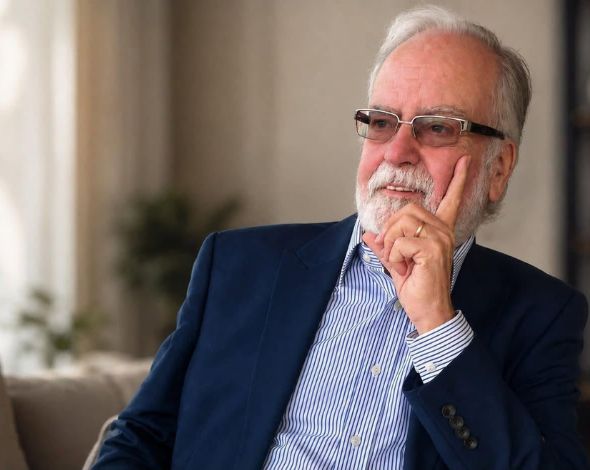
‘More than a business leader’: Hamilton Travel pays tribute to Norman Hamilton
Norman Hamilton set up the travel agency Hamilton Travel in 1992.
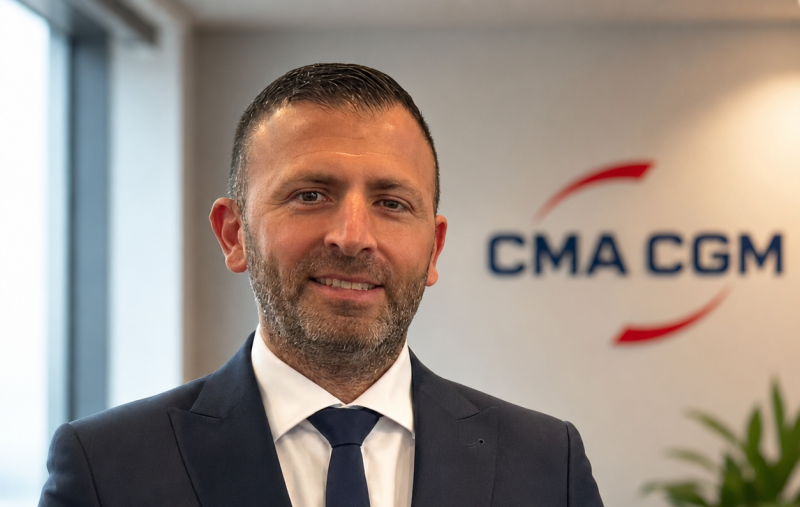
Christian Cauchi appointed General Manager for CMA CGM Malta Agency
'I am truly grateful to CMA CGM for the trust and confidence placed in me,' he said.
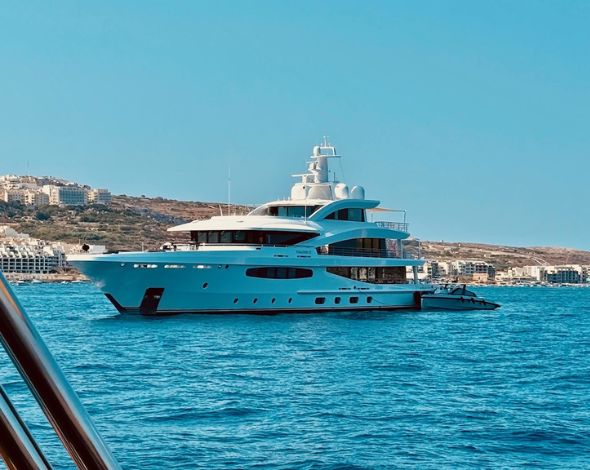
Australian billionaire’s €70m superyacht spotted off Mellieħa
VOLPINI 2 is owned by Australian logistics billionaire Lindsay Fox.
