


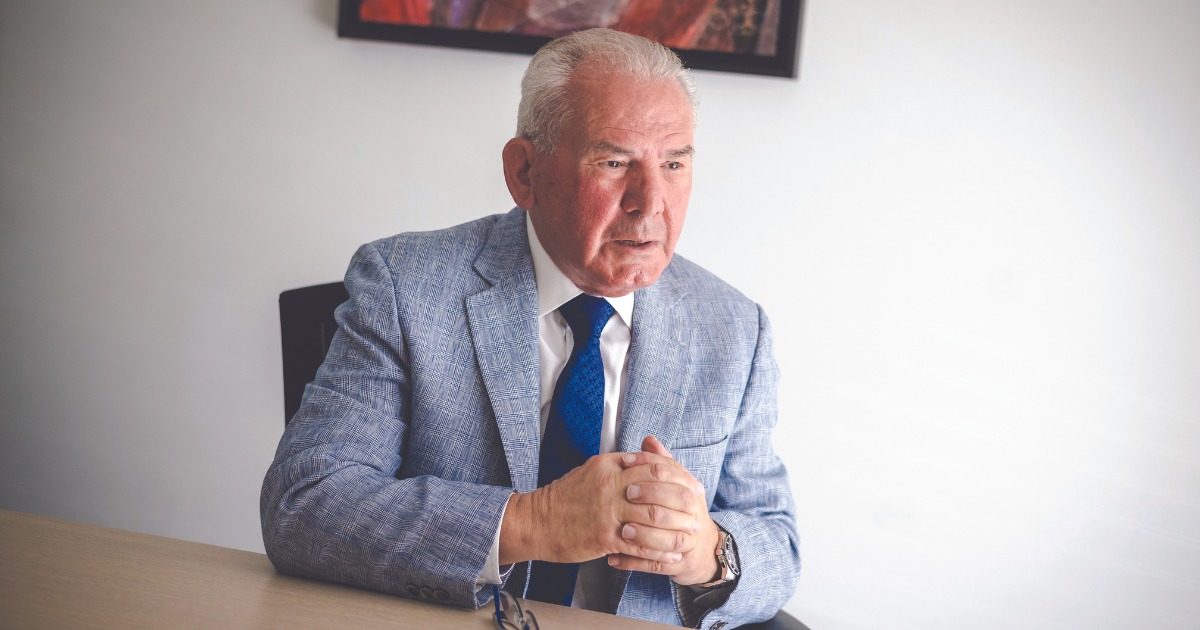
The tourism industry like every other commercial activity must be managed, and it is the Government’s responsibility to manage the activity, President of the Malta Hotels and Restaurants Association Tony Zahra has said.
Recently, Prime Minister Robert Abela warned that allowing the overtourism debate to become an argument against tourists or the industry would risk dealing the sector "a mortal blow". Malta recently introduced certain restrictions. For instance, no new hostels will be allowed to open up in Malta unless they form part of an educational institution, and there were also changes to short-term rental accommodation rules.
Responding to questions related to the overtourism debate, Mr Zahra said that there is no such thing as overtourism, and that tourism like everything else must be managed.
“As a lobby group MHRA has been very active in providing Government with data that enhances Government management capabilities. We continue to provide such data and advise on how best to manage the industry and provide best practice information which we source from other Mediterranean destinations that have experienced very rapid expansion in visitor numbers.”
“Perhaps what is now needed is clarity as to where Government wishes to see the industry and thus to ensure that there will not be a glut of tourist accommodation which can have a negative impact on the industry," he said.
He said the MHRA agrees with the Prime Minister that this industry continues to be a major economic benefit to the Maltese islands and its people, “and consequently good management of the industry is essential.”
He said that the MHRA’s mantra has been that everyone benefits from tourism. “We must ensure we manage this great industry well.”
Recently, the Government has introduced certain

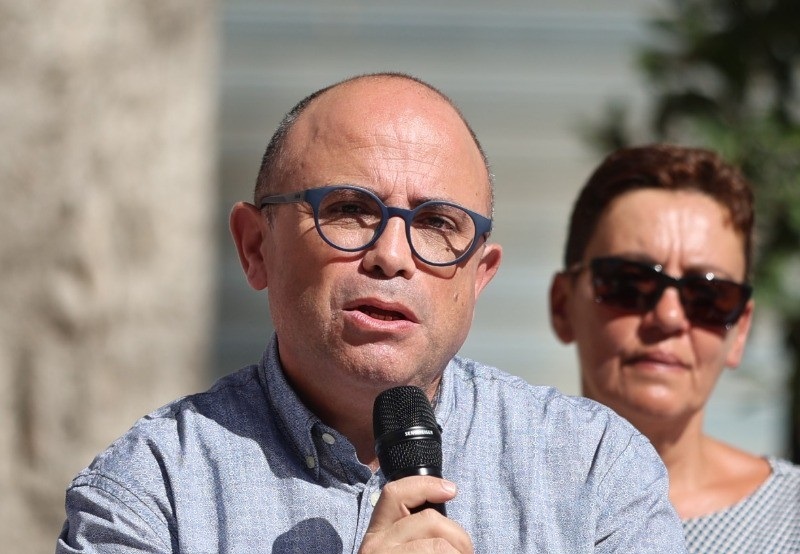


‘It’s a privilege’: Rosanne Bonnici becomes only Maltese member of International Trust Law Academy
“It is a privilege to be recognised alongside such a distinguished group of practitioners from around the world,” she said.

EBO CEO: New investment will support healthcare AI company’s international expansion
The Malta-founded company plans to deepen its presence in the UK and Southeast Europe while expanding into the US.
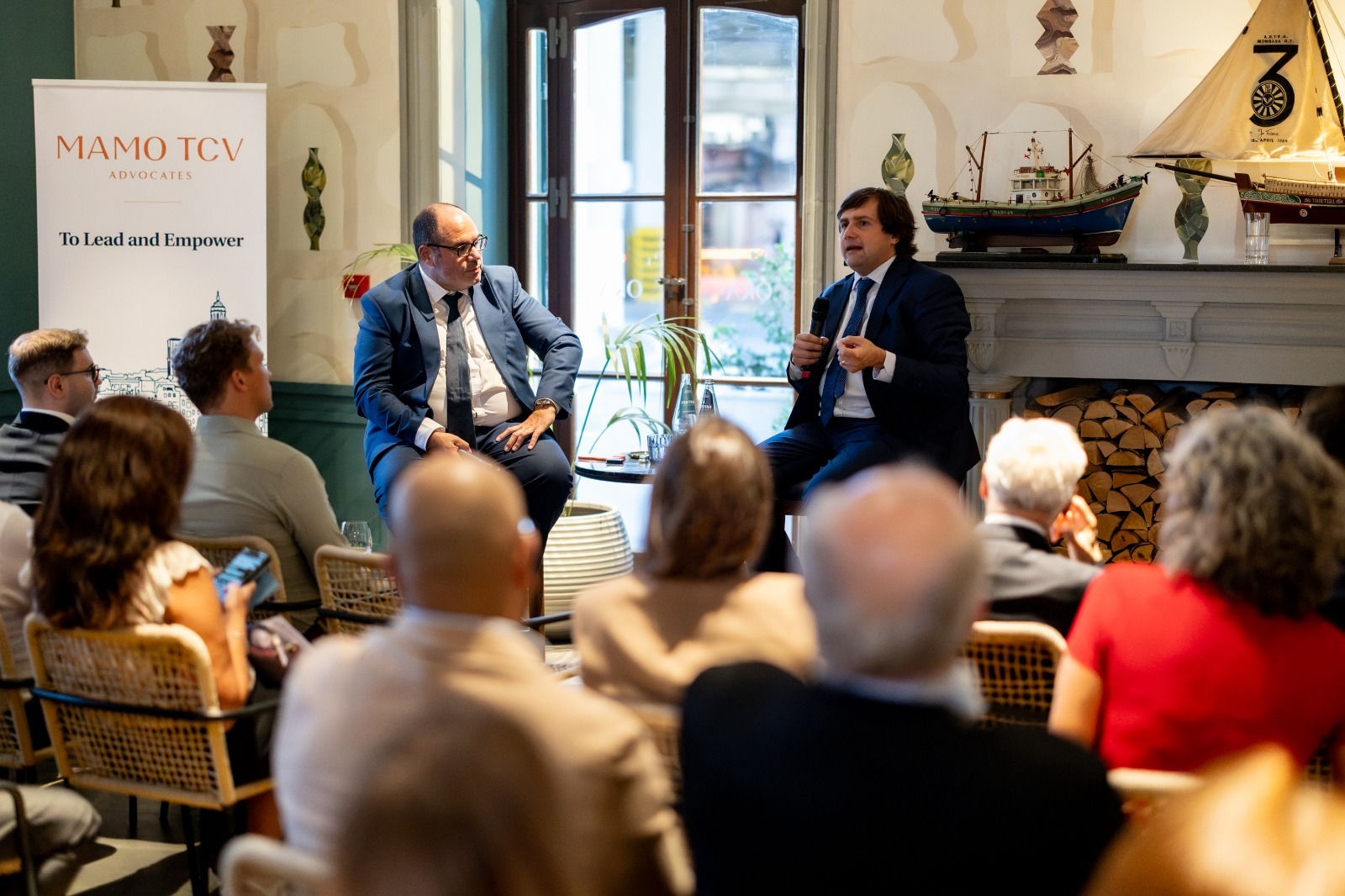
AeroItalia VP: How €5 million helped airline to seize opportunity from market disruption
Marco Carcioffo says AeroItalia's relatively simple consolidation strategy allowed it to capitalise on an unusual opening in Italy's aviation market.
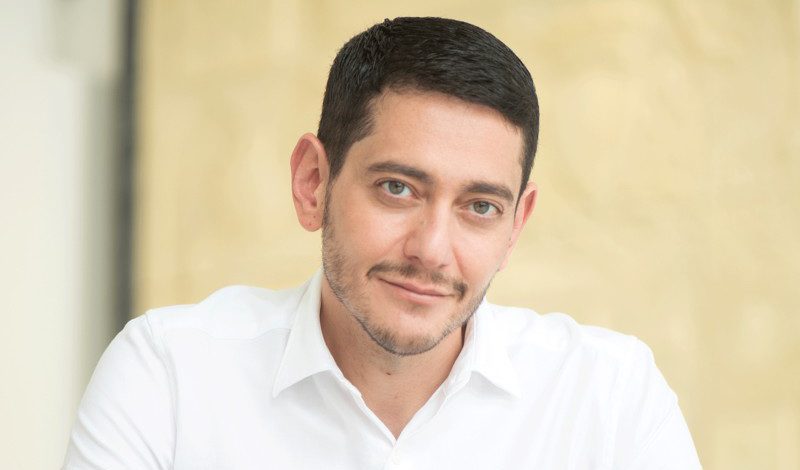
Theodoros Papadopoulos steps down as BOV Chief Customer Experience Officer after five years
'Now, on to helping people grow beyond what they thought possible,' he says.
