



As the fight to attract top talent gets fiercer and fiercer, many are the companies adopting long lists of benefits to brand themselves as ‘employee-friendly’.
In light of this, Switch Marketing Manager Luke Azzopardi questions whether it is, in fact, such benefits that ultimately aid employee wellbeing and create a positive company culture.
Making reference to benefits of the likes of ‘a casual dress code’, ‘free lunch,’ and ‘hybrid or remote working’, Mr Azzopardi says: “none of these are bad, but they’re not a substitute for fun and inclusive company culture.”
“We used to celebrate International Bacon Day every year at Switch, before we went fully remote, and it was fun. Still not culture,” he adds.
Rather than focusing on such benefits, Mr Azzopardi urges to hone in on the true meaning of company culture and adopt incentives that truly serve to improve employee wellbeing.
“Culture is a leader or a colleague realising someone is struggling and reaches out to tell them it’s ok to struggle, and to offer help. Culture is leaders sacrificing personal gain for the benefit of those that follow them,” he says.
“Culture is understanding that your employees have a life beyond work, and that it’s more important to them than anything. Culture is knowing my leaders don’t look at me and see a means to a financial end,” he continues.
In conclusion, the Marketing Manager notes that “as an employee, once you find [company culture], you won’t easily let it go. And it’s not spoken into existence. Only actions can build it.”
Mr Azzopardi has often spoken out about company or industry-wide practices that can seek to better employee wellbeing.
Earlier this summer, he penned a sobering message about the corporate world’s understanding of ‘success’, urging readers to use ‘quality of life’ as their KPI, rather than money.
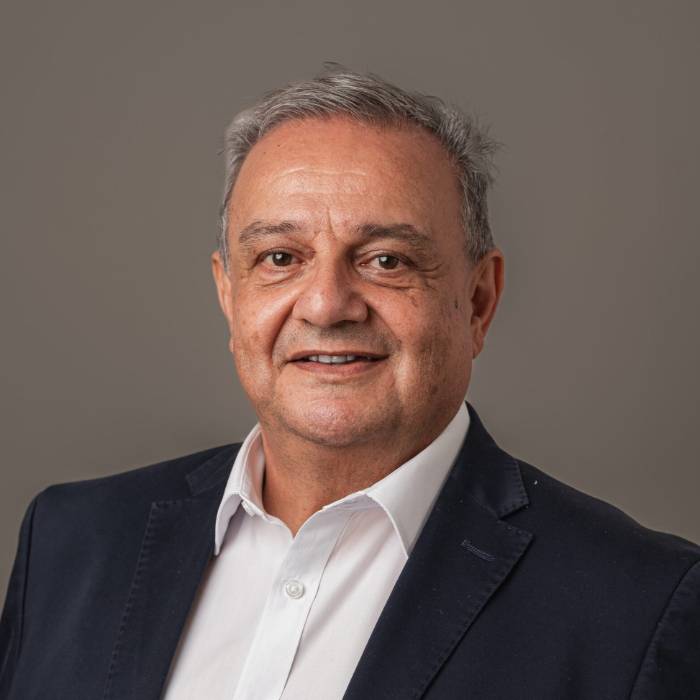
Featured Image:
Luke Azzopardi / LinkedIn

Two masterpieces, one remarkable instrument
Michael Pantalleresco explores the poetry, passion and brilliance of the clarinet in works by Mozart and Weber.
‘A setting we couldn’t be prouder of’: db CEO on Hard Rock Hotel’s new rooftop restaurant
Cyana’s head chef is Spiros Tzilis, a Greek chef who has worked at Michelin-starred restaurants.

‘AI might be faster and cheaper, but at what cost?’ – Aramis Capital MD
He warns that businesses risk sacrificing service quality, human judgement and accountability in their pursuit of greater efficiency through artificial ...
‘We’re already late’: Employers chief calls for cross-party mass transport agreement
Through cross-party agreement, the solution will endure beyond individual legislatures, he explains.
