


Burnout has become an epidemic in modern workplaces, but who is really responsible—the employee or the employer? As workloads intensify and work-life boundaries blur, two of Malta’s leading voices in organisational well-being and mental health offer their perspectives on this pressing issue.
The corporate faucet vs. The personal tap
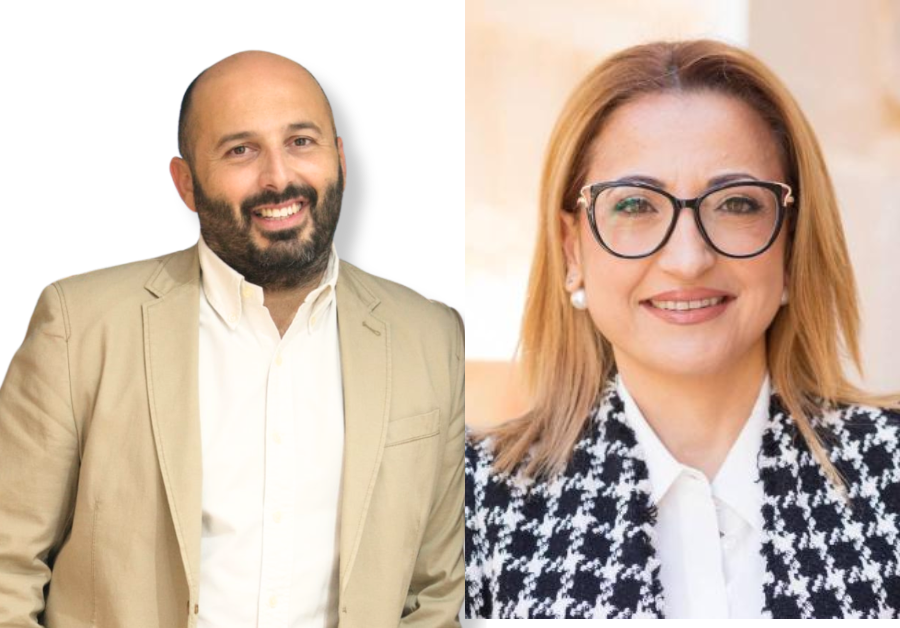
Matthew Bartolo, sex therapist and founder of Willingness, argues that burnout is often the result of a toxic interplay between workplace demands and unsustainable personal habits.
“When Emma Grede says, ‘Work-life balance is your problem, not the employer’s,’ she’s looking at it from one angle,” Mr Bartolo says. “In some companies, burnout isn’t a personal failing; it’s the predictable result of how organisations are engineered.”
Yet, he also points out that many individuals live beyond their means – financially, emotionally, and time-wise – fuelling a cycle of stress. “Financial over-stretch equals emotional over-stretch. When the credit card is maxed, you carry the anxiety to work; when time debt piles up, you steal from sleep, relationships, and lunch breaks.”
Mr Bartolo compares stress to water in a bucket:
- Pour in less – Set sane work hours, limit after-hours pings, and stop overcommitting.
- Drill drainage holes – Prioritise movement, genuine rest, and hobbies unrelated to work.
- Watch the tap you control – Manage personal spending, social obligations, and the tendency to say “yes” to everything.
“If you brag about 3 am emails, expect a burnt-out bench,” he warns employers. “Likewise, if your calendar is flooded with side projects, ask whether each one pays in meaning or just money you need because your lifestyle keeps inflating.”
Karen Muscat Baldacchino, CEO of FHRD, agrees that burnout is a shared responsibility but emphasises the employer’s role in shaping a sustainable work culture.
“While individuals must take ownership of their well-being through self-care and boundaries, the organisational environment plays a decisive role,” she says. “Employers hold significant influence over systemic factors that lead to burnout—excessive workloads, lack of autonomy, and insufficient support.”
Ms Muscat Baldacchino highlights key preventative measures:
- Flexible working arrangements to accommodate personal needs.
- Realistic performance expectations to prevent chronic overwork.
- Access to mental health support and open dialogue about well-being.
- Regular check-ins and recognition to foster engagement and resilience.
“Preventing burnout isn’t just about individual resilience – it requires a strategic, empathetic approach embedded in leadership and culture,” she asserts.
Both experts agree that extraordinary effort is sometimes necessary, but chronic burnout should never be normalised. Mr Bartolo’s upcoming conference with The Malta Chamber of Commerce, “Who’s Taking Care of the Boss?” (28th May), will tackle these issues head-on, urging leaders to model balance before expecting it from their teams.
“Stress overflow isn’t inevitable,” Mr Bartolo concludes. “By keeping the corporate faucet reasonable, monitoring the personal tap, and protecting the drainage holes, we can create workplaces—and lives—that don’t run on empty.”
For Malta’s CEOs, the message is clear: Burnout is a systemic issue, and solving it requires change at both the organisational and individual levels. The question isn’t just who is responsible, but how leaders and employees can work together to build healthier, more sustainable ways of working.
‘FOMO strategy’: Alexiei Dingli warns businesses not to rush into AI without a plan
From customer service fiascos to robotic content, Prof Dingli says some businesses risk shooting themselves in the foot by rushing ...
‘Technology should enhance, not replace, human expertise’ – MIA President Jonathan Dingli
The Malta Institute of Accountants is urging members to lead business transformation amid fast-changing technology.

4 misconceptions business owners looking to sell ‘need to get real about’
Jonathan Shaw outlines four key misconceptions business owners must address before selling their company.

Maltese mothers speak out on balancing careers and parenthood
A collective call for empathy and reform.
