


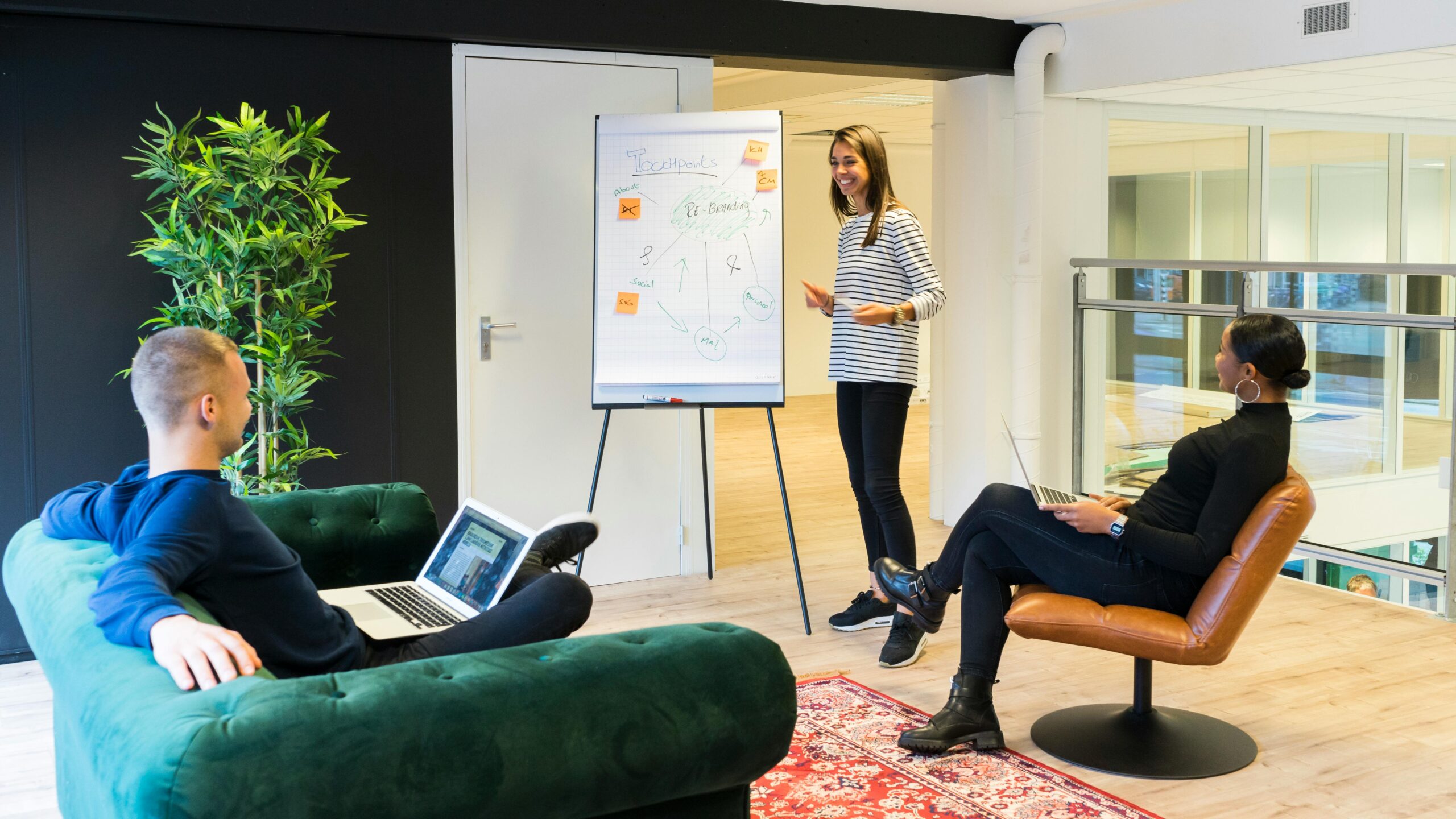
The design of a workspace is more than an aesthetic choice – it directly shapes how employees think, feel, and perform.
Recognising workplace dynamics
The physical environment of an office has a profound influence on both productivity and morale. Lighting, layout, and overall atmosphere can either enhance or undermine performance. Access to natural light, for instance, is consistently linked to higher energy levels and improved mood, while harsh artificial lighting often leads to fatigue and dips in motivation.
Spatial design also plays a role in workplace dynamics. Open-plan offices may encourage collaboration, yet without thoughtful planning they can quickly become distracting. Introducing designated quiet zones or focus areas provides employees with the flexibility to choose a setting that suits their task, striking a balance between teamwork and concentration.
Aesthetics further affect well-being. Natural elements such as plants, wooden finishes, or calming water features reduce stress and foster a sense of tranquillity. Similarly, colour choices impact focus – muted tones of blue and green, for example, are associated with calmness and clarity.
Designing tranquil environments
Cultivating serenity in the workplace requires attention to both physical design and sensory experience. Soft furnishings and acoustic solutions absorb background disturbances, while ergonomic furniture supports physical comfort, reducing strain during long workdays. Together, these features help employees maintain focus while supporting overall health.
Natural design elements continue to prove effective in workplace settings. A touch of greenery, natural textures, and open views of the outdoors all contribute to reducing stress levels. Beyond aesthetics, the integration of adjustable lighting – combining natural light with task-specific fixtures – allows employees to personalise their environment, creating a sense of control that boosts satisfaction and productivity.
Strategies for creating serene workspaces
Developing a calming office requires more than occasional design touches; it calls for deliberate, strategic planning. Organisations can begin by reviewing their current layouts and identifying areas where distractions or discomfort arise. Rearranging furniture, introducing collaborative hubs, and creating focused workstations are all practical steps.
Flexibility is a recurring theme. Offering varied spaces – from standing desks to informal lounge areas – ensures that employees can adapt their environment to the task at hand. Encouraging personalisation within individual workstations further enhances comfort, helping employees feel a stronger sense of ownership over their workspace.
Colour psychology can also be applied thoughtfully. Softer shades of blue or green promote relaxation and focus, while warmer neutral tones add a sense of balance. Collectively, these elements work to create a workplace that feels less like an obligation and more like an environment where individuals can perform at their best.
From an organisational perspective, investment in serene workspaces is not merely about design – it directly supports business performance. Comfortable and calming environments boost employee satisfaction, which in turn strengthens retention. Reduced turnover helps to lower recruitment costs while ensuring continuity within teams.
Physical health benefits are also significant. Ergonomic designs minimise strain and stress-related illnesses, which can otherwise lead to higher absenteeism. At the same time, employees who feel supported by their environment are more engaged, collaborative, and motivated to contribute to team success.
In short, serene workspaces are not a luxury; they are a long-term investment in productivity, well-being, and organisational resilience.



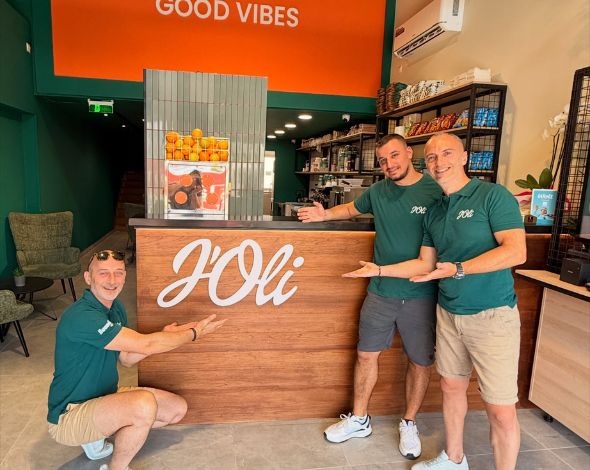
‘A very proud moment’: J’Oli Co-Founder celebrates new Cypriot outlet
Jean Paul Cascun says new Paphos outlet is 'only the beginning'.

Stefan Riolo appointed Executive Director of Clearflowplus
Stefan Riolo succeeds David Sacco in the executive role.

Beyond the boardroom: How St John’s Co-Cathedral is redefining corporate engagement
The country's mix of heritage venues and close-knit business community means familiar settings can be transformed into something genuinely memorable.
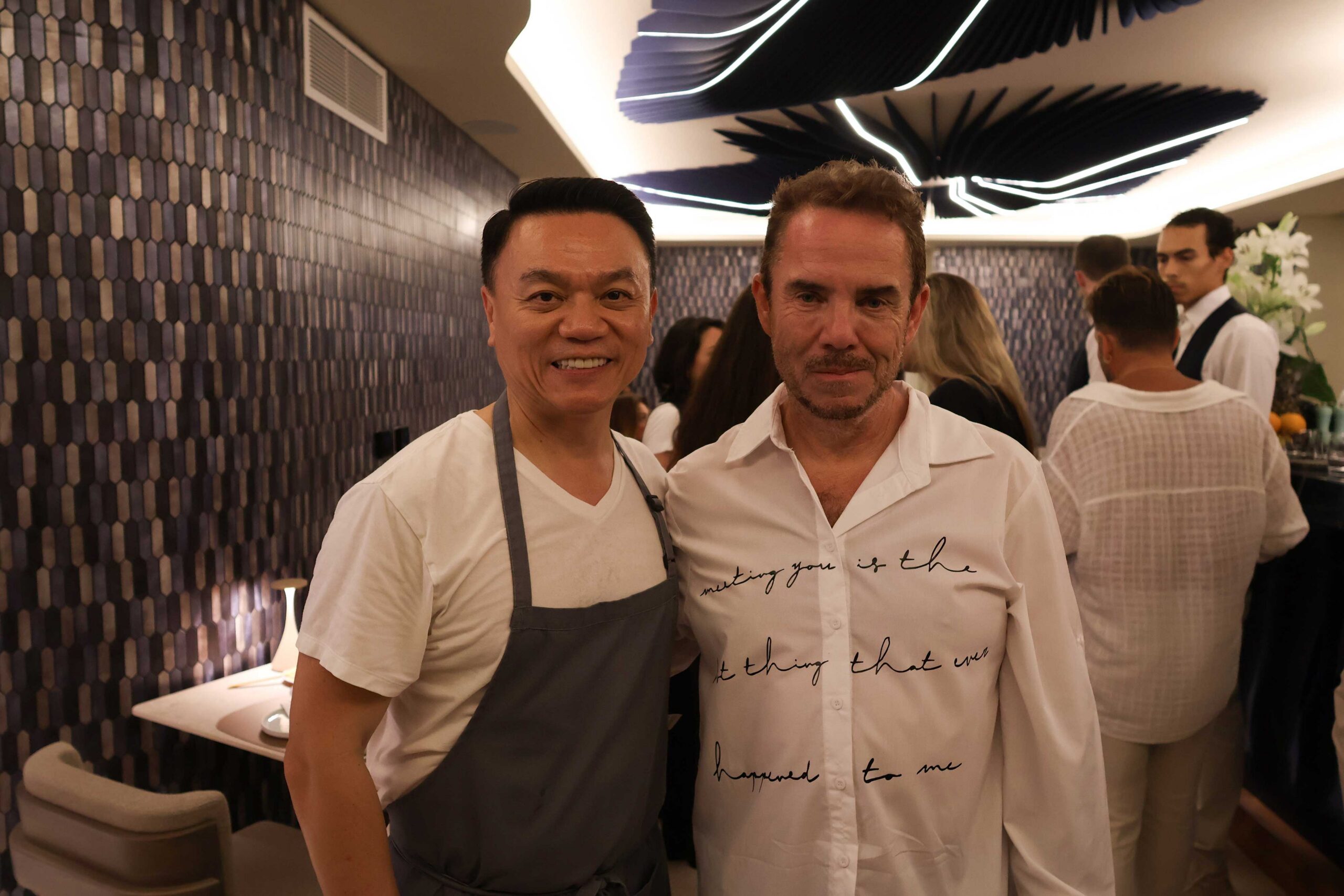
Sawadee Valletta! Iniala brings Thai family-style dining to Malta
Led by celebrity chef Ian Kittichai, Anaalā takes diners on a journey across Thailand with four rotating menus.
