



Work-life balance has become the most important factor for employees when considering their current or future jobs, surpassing salary for the first time in over two decades.
This shift in priorities, highlighted in an annual global survey by international recruitment company Randstad, signals a profound transformation in the workforce, largely driven by the changes brought about by the COVID-19 pandemic.
According to the survey, which polled 26,000 workers across 35 countries, 83 per cent of respondents identified work-life balance as their top priority. This was equal to job security (83 per cent) and slightly ahead of salary considerations (82 per cent), marking a clear shift in workplace expectations.
Randstad noted that employees now expect more from their employers, even in the face of economic challenges and rapid technological advancements. Almost half (45 per cent) of respondents indicated they had actively campaigned for better working conditions, while nearly a third (31 per cent) reported leaving jobs that did not offer sufficient flexibility.
“Work today is about more than just a pay cheque. Talent globally are looking for workplaces that align with their personal values, aspirations and circumstances,” said Sander van‘t Noordende, Randstad’s Chief Executive. “Compensation is still important but talent today have multifaceted expectations.”
A generational divide in workplace expectations
The emphasis on work-life balance is particularly pronounced among younger employees. Generation Z (born between 1997 and 2012) ranked work-life balance significantly higher than salary, with 74 per cent prioritising it over pay (68 per cent). In contrast, older workers – particularly baby boomers aged between 61 and 70—still placed high importance on work-life balance (85 per cent), but salary remained a key concern, ranking slightly higher at 87 per cent.
This generational contrast reflects evolving attitudes toward employment, with younger employees valuing a work environment that complements their personal lives, while older employees, approaching retirement, place greater emphasis on financial security.
Flexibility and workplace belonging
Flexibility in work schedules and locations has also become a key expectation among employees worldwide. The report found a substantial year-on-year increase in workers who felt their jobs allowed flexibility, with 65 per cent reporting control over their working hours (up from 57 per cent in the previous year) and 60 per cent having flexibility in their work location (up from 51 per cent).
Almost two-thirds (64 per cent) of employees also indicated that they have some level of control over the intensity of their workload, underscoring how workplace flexibility has become a norm rather than an exception.
Despite this shift towards greater flexibility, employees still value a sense of community within their workplaces. The survey found that 83 per cent of workers wanted their workplace to foster a strong sense of belonging. More than half (55 per cent) said they would be willing to leave a job if they felt they did not belong, a significant increase from 37 per cent a year earlier.
Employees in the UK closely mirrored global trends in valuing work-life balance and flexibility, with many reporting higher-than-average levels of workplace flexibility.

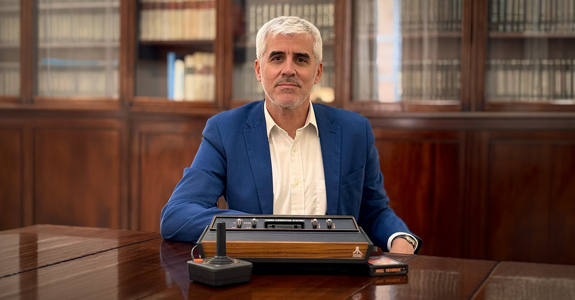
Fenech & Fenech Advocates appoints Antonio Ghio as Chief Innovation and Technology Officer
Antonio Ghio is an IT Law expert and has been with the firm for the past 25 years.
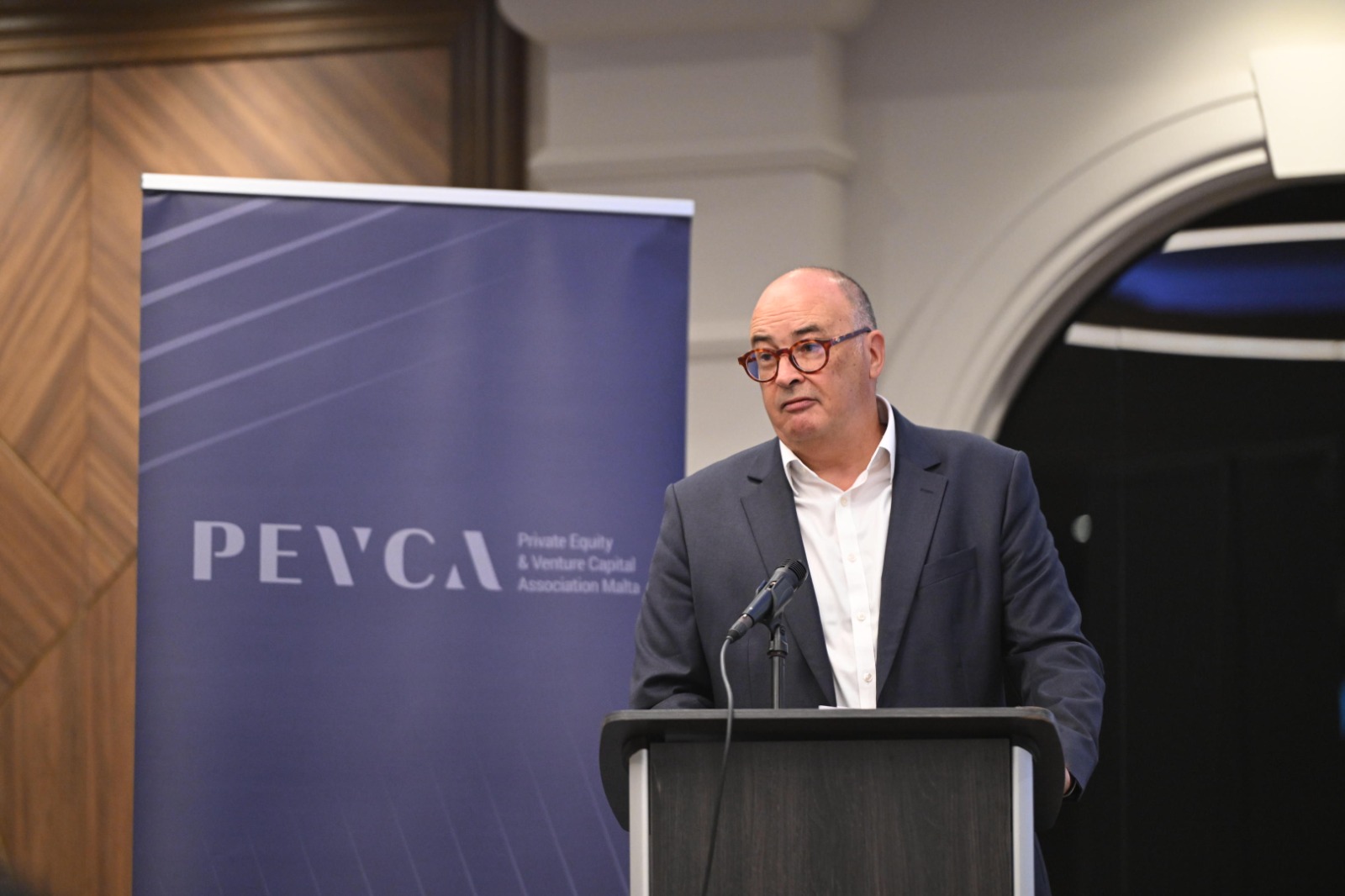
‘Considerable potential’ for Malta to develop as a private equity and venture capital hub – PEVCA head
He said that private equity and venture capital play a vital role in modern, innovation-driven economies.
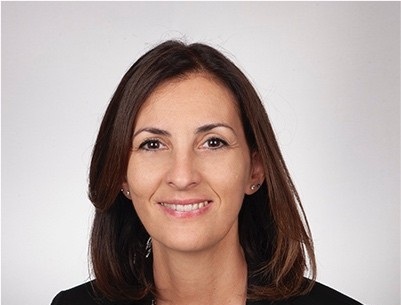
Nancy Pavlaki appointed Chief Financial Officer at Ramla Bay Resort
Prior to taking up the post, she worked in a number of financial positions in the hospitality industry.

Kyle Antoni Pace Cumbo appointed Chief Commercial Officer at Iniala
'I’m incredibly excited about what comes next,' he said.
