

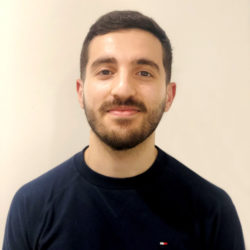

Human resources (HR) specialist Calvin Cassar on Wednesday highlighted how remote working may not be ideal for each employee, as every role comes with different responsibilities that could be more suited to office-based work.
“I see a disjoint in communication between employers and employees when there is a discussion about remote work and the need for office-based collaboration,” he said. He explained that this mainly stems from arguments happening at “two distinct levels”.

From an employee’s point of view, remote work is seen from an “individual contributor perspective”. Mr Cassar noted that this leads to the perception that an employee has a certain set of objectives, together with the tasks that come out of them, and in reality can work “better, faster, and in many cases for more hours, from a remote work environment”.
On the other hand, a company analyses the effectiveness of remote work from a level that focuses on “collaboration, creativity, and engagement”, all of which are factors that do not “necessarily overlap” with individual contributor performance and outcomes.
“One level of analysis is happening at micro level, while the other level of analysis is happening at macro level. The reality? Both are right,” he said.
As a solution to this, he called for companies to be “more empathetic and recognise that often the narrative relating to office presence does not make sense from an individual contributor perspective”.
Should there still be the idea that office-based work is important, then it should be “acknowledged and accepted”, he explained.
“It also means that a one-size-fits-all remote work policy might not always makes sense, as the needs for a newcomer, an experienced contributor, a manager, and a CEO are very different to each other,” he concluded.
Mr Cassar is HR Director at EPG Financial Services Ltd and HR Manager at Merkur eSolutions Malta Ltd. He has extensive experience within the HR field, having previously served in various related positions at The General Soft Drinks Co Ltd, Malta Financial Services Authority, Mizzi Motors, FTIAS Ltd, and Konnekt.
He holds a Master of Science in Occupational Psychology from University of Leicester, as well as a Bachelor of Psychology in Psychology and Linguistics from University of Malta. He is particularly skilled in recruitment, interviewing, and talent management, among other things.
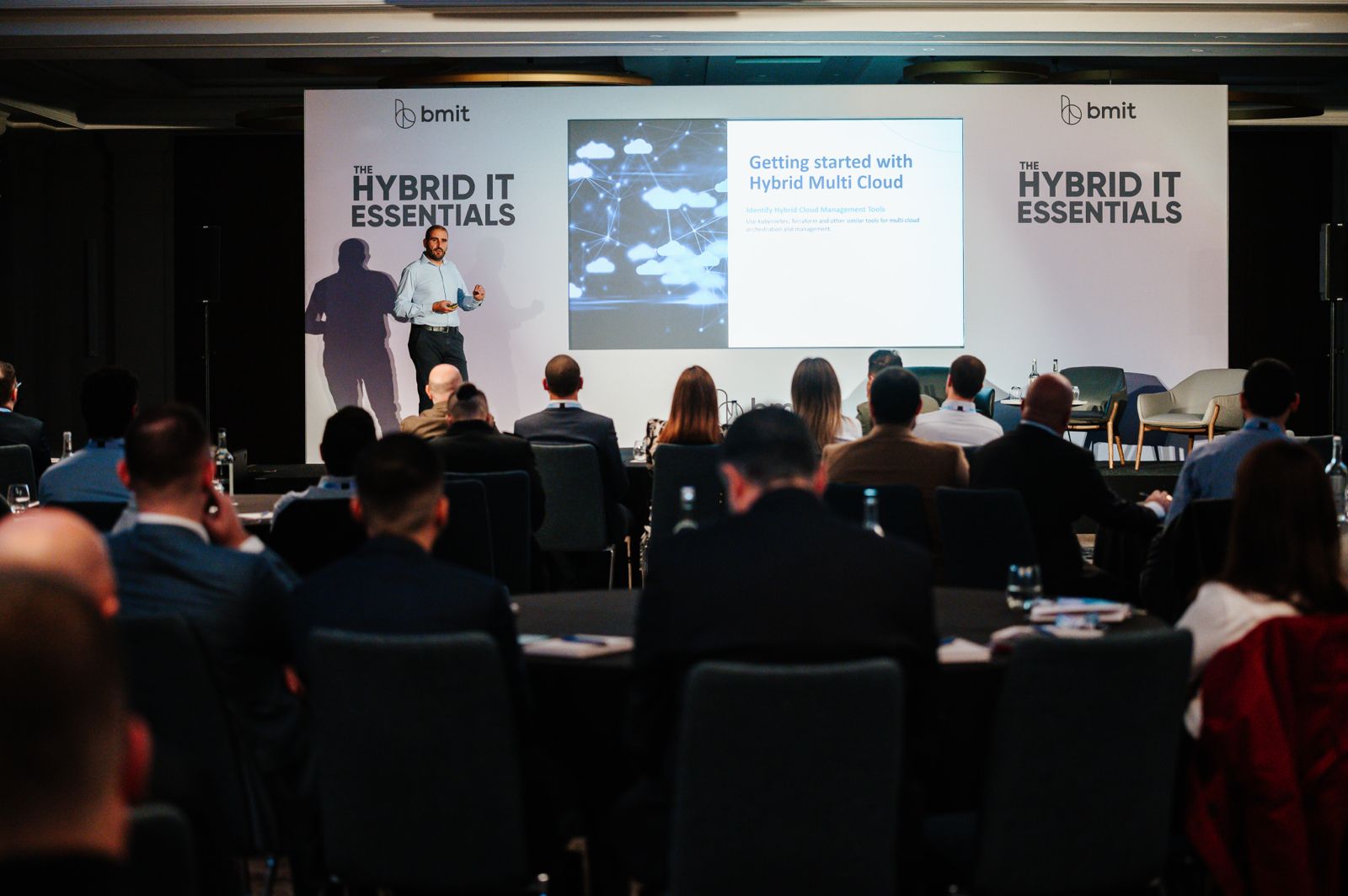
‘The Perspectives 2026’: An event for Malta’s IT decision-makers
BMIT’s upcoming ‘Perspectives 2026’ conference on April 14th brings together industry leaders to tackle challenges head-on and help decision-makers prepare ...
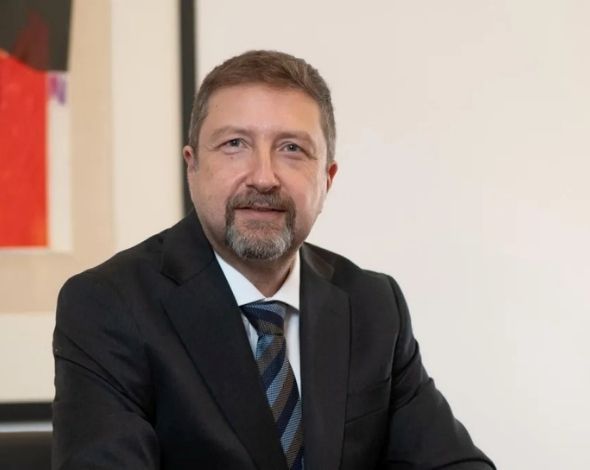
‘You built things that lasted’– Ivo Camilleri thanks teams as he exits BOV after 39 years
In a reflective message, Ivo Camilleri thanked all the people he worked with throughout the years.
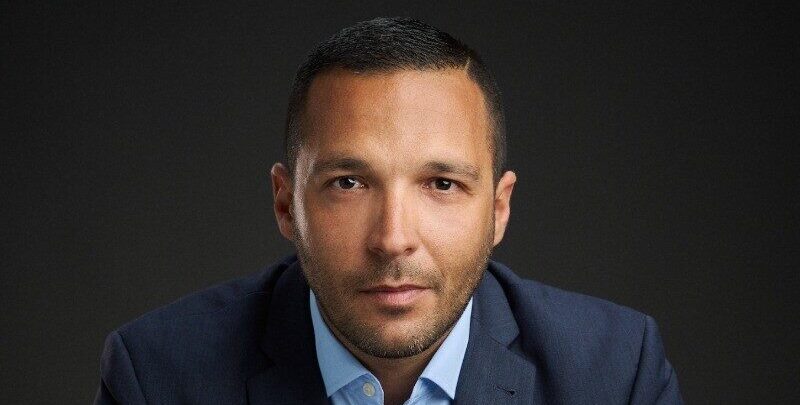
Jesmond Fenech takes the helm at PayInsight
He will take on a dual CEO role as he continues to lead SpeedyDD
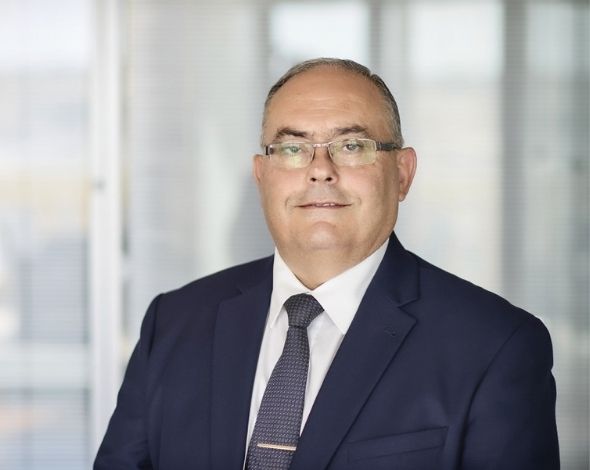
Malta’s ATTO lobbying for fairer EU transport rules for islands
Joseph Bugeja says the Combined Transport Directive shouldn't penalise island member states.
