

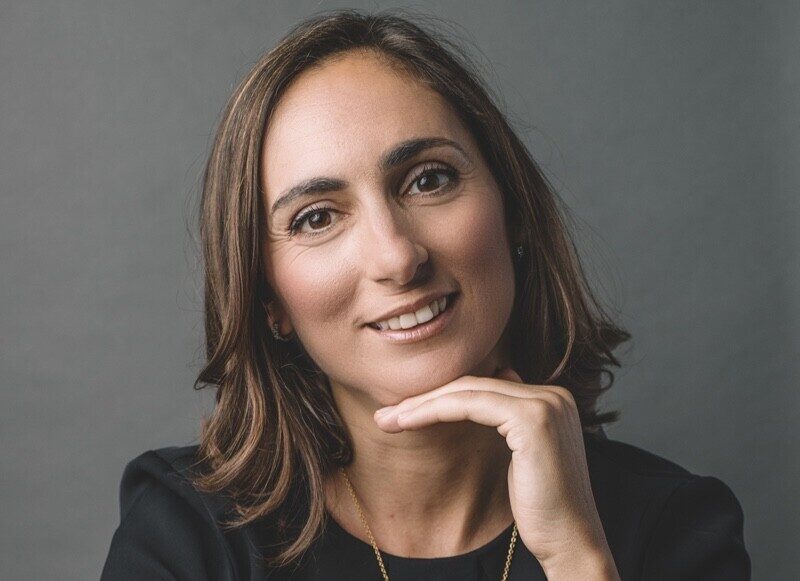
Mariella Baldacchino, Founder of Empleo, shed light on the challenges faced by non-Maltese workers in Malta in a recent post on her LinkedIn, touching on the vulnerability of their status that can give rise to problematic situations.
“I’ve been thinking on what life is like for many non-Maltese workers in Malta - whether they’re skilled professionals or those filling essential but lower-paid roles,” she wrote.
One of the primary challenges highlighted by Dr Baldacchino is the imbalance of power inherent in the employment system. Migrant workers - both skilled and unskilled - often face limited job mobility and must navigate barriers to suitable employment, she added.
Work permits, which are controlled by employers, compound this issue, and this dependency on a single employer ties workers’ residency and stability to their job, making them vulnerable and hesitant to raise concerns or seek fair treatment, Dr Baldacchino wrote.
Her insights touch on deeper systemic issues. “This imbalance of power can make migrant workers vulnerable, with their residency and stability tied to a single job. It creates a dynamic where raising concerns or seeking fair treatment can feel risky,” she explained.
She noted that this challenge is not just about employment opportunities but encompasses complex relationships with superiors and colleagues, health and safety risks, and, for many, the persistent threat of poverty despite long working hours.
“Are we building workplaces where every worker, regardless of their origin, is respected and protected?” she asked, calling attention to the need for more equitable practices.
Malta’s workforce has expanded rapidly since 2014, driven by economic growth and labour policies that have attracted foreign labour. Today, nearly 100,000 foreigners live and work on the island.
The prevalence of irregular employment further underscores the issue. In 2023, authorities discovered that 1,695 workplaces were found to be employing migrant workers from outside the EU irregularly.
Supporting migrant workers, as Dr Baldacchino outlined, requires addressing power imbalances, ensuring fair and safe working conditions, and creating genuine opportunities for career progression. “Malta’s diversity can only strengthen us if we create workplaces that truly value and support every individual - giving all a fair chance to thrive,” she stated.
Featured Image:
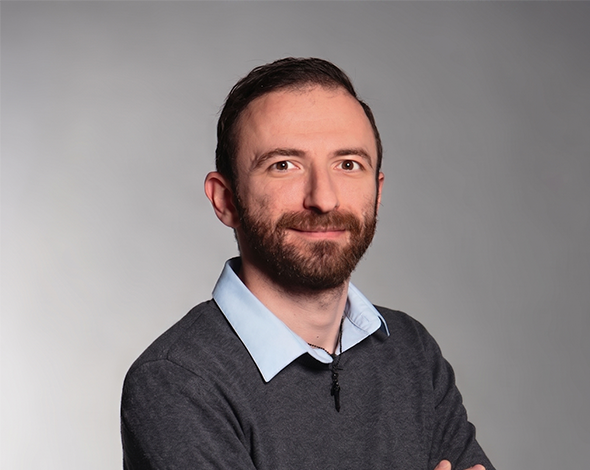
Mariella Baldacchino / LinkedIn
‘Growth comes from being willing to take calculated risks’
Darren Ciantar, founder and CEO of Ciantar Group, traces the ambitions, opportunities and uncertainties that have helped shape the enterprise.
The next step must be about productivity
'We cannot keep addressing every labour shortage by adding more workers.'
Alkagesta’s banking summit in Malta draws partners from across Europe’s financial centers
The gathering reflected the scale of the company's global ambitions and the growing confidence of the international financial community in ...
Six workforce indicators every CEO should be tracking
Workforce data can offer CEOs an early indication of emerging business challenges.
