


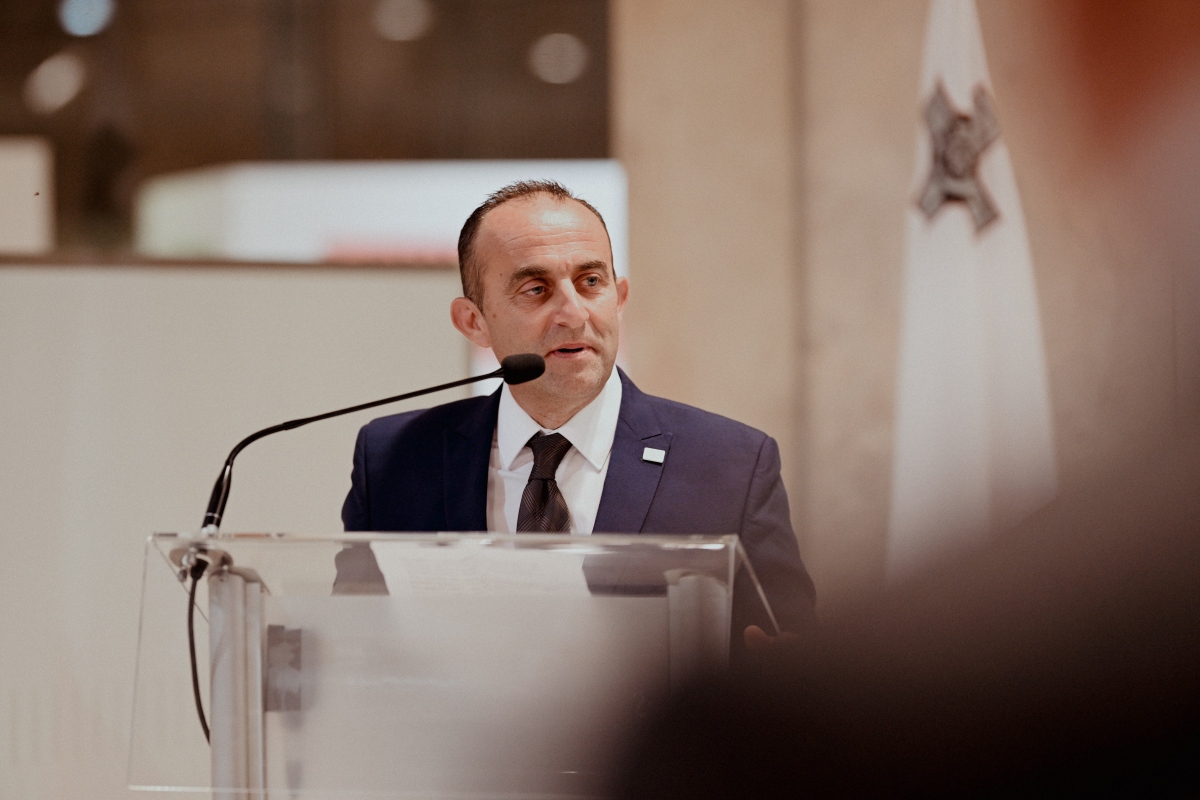
Malta Food Agency CEO Brian Vella has questioned whether Malta’s agricultural cooperatives are doing enough to ensure local farmers’ concerns are being heard at European level, as extreme heat and drought place growing pressure on food production across the continent.
Commenting on the dry conditions experienced across Europe this year, Mr Vella warned that the situation could have repercussions for animal feed prices and, more broadly, the food system.
“The dry situation that we had in Europe this year is alarming. It can increase the price of feed for animals and increase pressure on the food system,” he wrote.
He argued that policymakers should continue to carry farmers’ concerns to an international level, before turning his attention to the role played by agricultural cooperatives.
“But I want to ask: are our cooperatives delivering Maltese farmers’ messages in their organisation in Brussels?” Mr Vella said, adding that he hopes Malta’s agricultural cooperatives had active members within Copa-Cogeca.
Copa-Cogeca represents European farmers and agricultural cooperatives at EU level, making participation in the organisation one avenue through which national agricultural sectors can feed their concerns into discussions in Brussels.
European farmers count the cost of a difficult summer
A recent Copa-Cogeca survey outlines the effects that extreme weather had on European agriculture during summer 2026.
According to the organisation's findings, heat stress affecting dairy and beef cattle reduced milk and meat production, affected fertility and placed pressure on forage availability, raising concerns over the longer-term consequences for European livestock farming.
The scale of the impact varied considerably between countries.
In France, milk production reportedly declined by between eight and 11 per cent during peaks in temperatures, while Belgium saw reductions in herd sizes linked to lower feed availability. Slovenia recorded falls of between 10 and 20 per cent in milk production.
Austria, meanwhile, reported forage yields approximately one-third below normal levels, with shortages leading some farmers to bring cattle slaughter forward.
The effects extended beyond cattle farming. France reported more than 9,000 tonnes in poultry losses attributed to mortality during severe heatwaves, while beekeepers faced their own difficulties.
Italy experienced significant Varroa mite infestations, while honey production in Romania reportedly declined by more than 50 per cent as a result of drought. Germany also reported risks to bee colony survival linked to extreme weather.
French farmers reported a 36 per cent deficit in permanent grassland growth compared with the 1989-2018 average, while hay and aftermath yields fell substantially. This forced some farmers to begin using winter forage reserves several months earlier than usual.
“European farmers defend our plates, Europe must defend our resilience,” Copa-Cogeca said, arguing that the summer of 2026 had again demonstrated that extreme weather events could no longer be regarded as exceptional.
The organisation highlighted Slovenia, Austria, France and Italy as particularly badly affected, alongside substantial regional impacts in Spain, Hungary, Germany, Croatia, the Czech Republic, Ireland and Romania.
Across these countries, the effects ranged from crop losses and increased livestock mortality to lower yields, poorer quality produce, reduced cattle feed availability, greater vulnerability to pests and disease and voluntary herd reductions.
Malta's cattle farmers have also felt the heat
During the summer, MaltaCEOs.mt observed first-hand the impact of extreme temperatures on a local cattle farm, where a number of calves died amid severe heat stress. Beyond the loss of livestock, the situation placed considerable emotional strain on the farmers caring for the animals.
Earlier this month, Vince Parnis, Farm Services Manager at Koperattiva Produtturi tal-Ħalib, also spoke to TVM about the effects of rising temperatures on Malta's dairy farms.
Mr Parnis showed how local farms have increasingly turned to cooling infrastructure, including large fans and water-spraying systems, to help cattle regulate their body temperature during periods of intense heat.


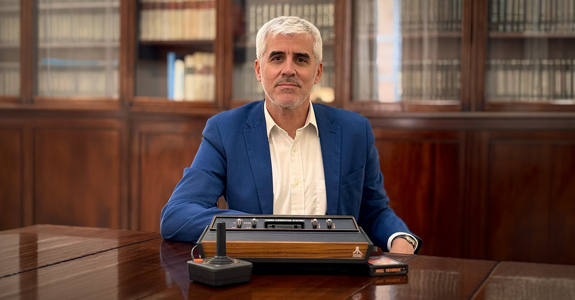
Fenech & Fenech Advocates appoints Antonio Ghio as Chief Innovation and Technology Officer
Antonio Ghio is an IT Law expert and has been with the firm for the past 25 years.
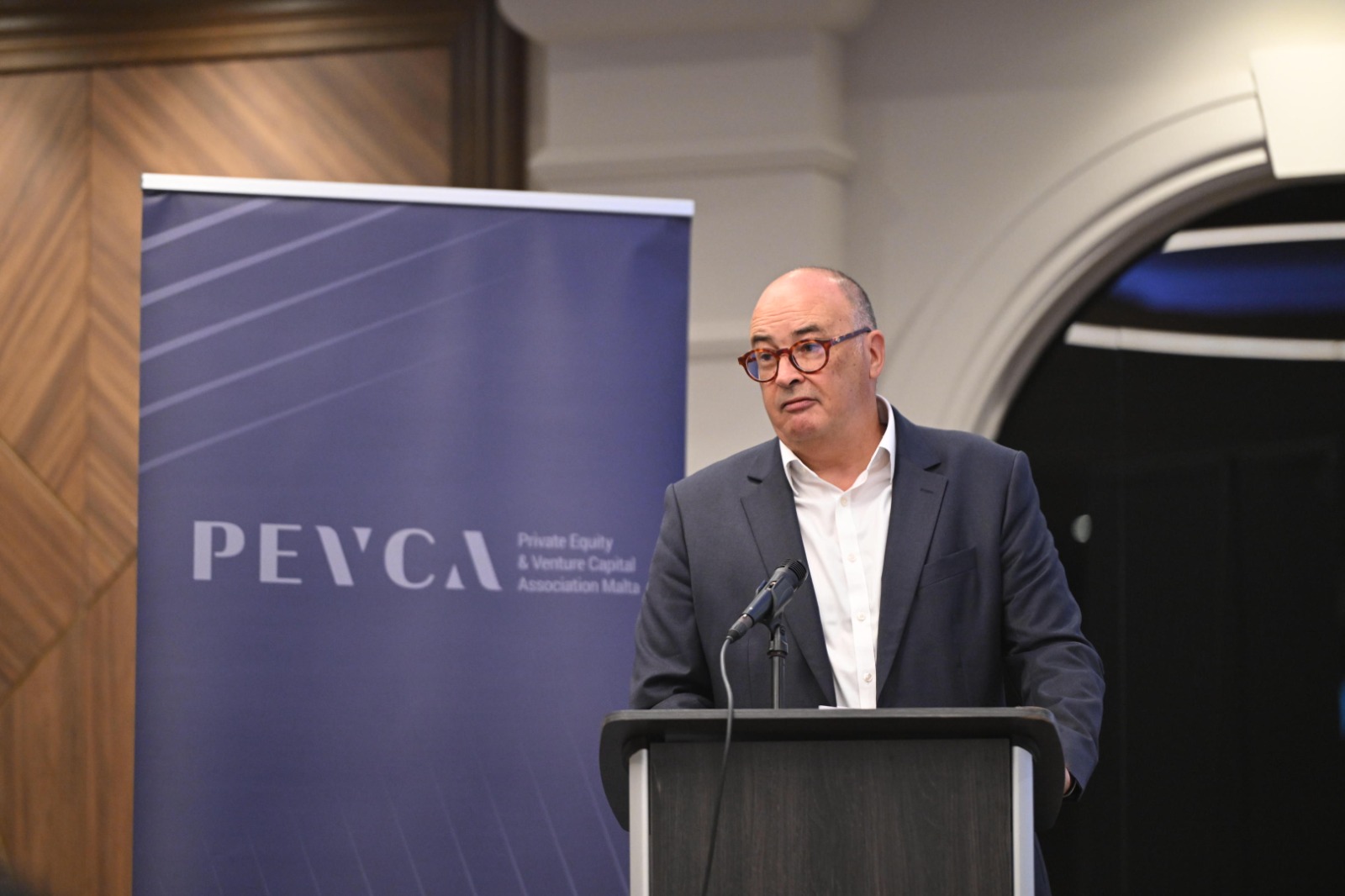
‘Considerable potential’ for Malta to develop as a private equity and venture capital hub – PEVCA head
He said that private equity and venture capital play a vital role in modern, innovation-driven economies.
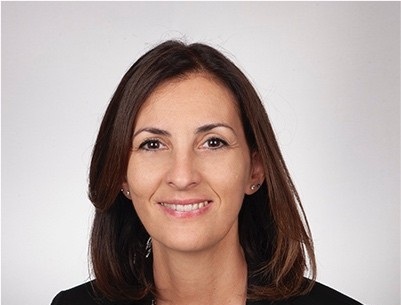
Nancy Pavlaki appointed Chief Financial Officer at Ramla Bay Resort
Prior to taking up the post, she worked in a number of financial positions in the hospitality industry.

Kyle Antoni Pace Cumbo appointed Chief Commercial Officer at Iniala
'I’m incredibly excited about what comes next,' he said.
