


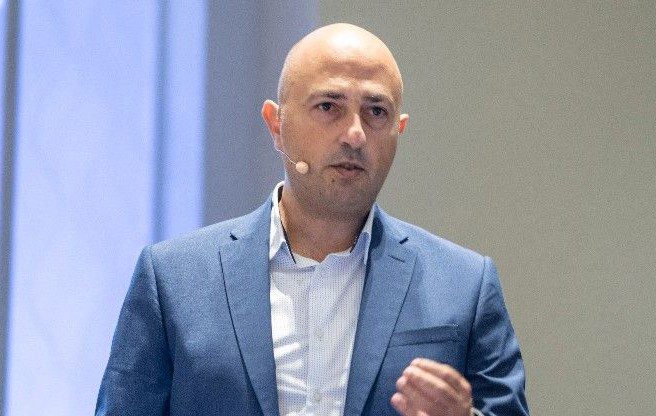
According to Noel Debono, Organisational Development Lead – Human Capital Consulting at Deloitte Malta, there is a new trend emerging within the learning and development world. Unfortunately, it does not seem to be a positive one.
On Friday (today) Mr Debono stated that more employees are bringing their work devices when given work-related training.
Whilst using a laptop to take notes is the new norm, he highlights that they are being used to answer work-related emails during the session, undoubtedly serving as a distraction during times where employees should be fully focused.
This practice has left Mr Debono frustrated. “Dear human resources professionals, maybe it’s time to start banning such practices if you truly believe in the importance of in-person training,” he wrote, directing his comments to professionals on LinkedIn.
He also added that if the employee’s priority is to answer emails, then “forcing them” into a classroom, “will not yield any benefits”.
Alternatively, Mr Debono remarked that microlearning and e-learning are two techniques that are 'worth considering' for HR professionals.
Learning from home or, as Mr Debono phrased, e-learning boomed at the peak of the pandemic, where participating in learning sessions from home was the only option.
The shift to relying on digital platforms for more efficiency has risen after the pandemic, leading to 90 per cent of the corporations using e-learning as an alternative to the traditional class based learning.
Although learning from the comfort of one’s home has its advantages, it also has its drawbacks.
For instance, in-person learning provides employees with instant feedback from instructors. In addition, instructors can easily acknowledge non-verbal communication cues – such as body language signs – when an employee or a student is not understanding the topic discussed.
On the other hand, online training can be more flexible especially when training is given from someone abroad. This in itself can prove to be more cost-effective for companies as they do not have to pay for travel and accommodation costs if the speaker or instructor is delivering the lessons from their home country.
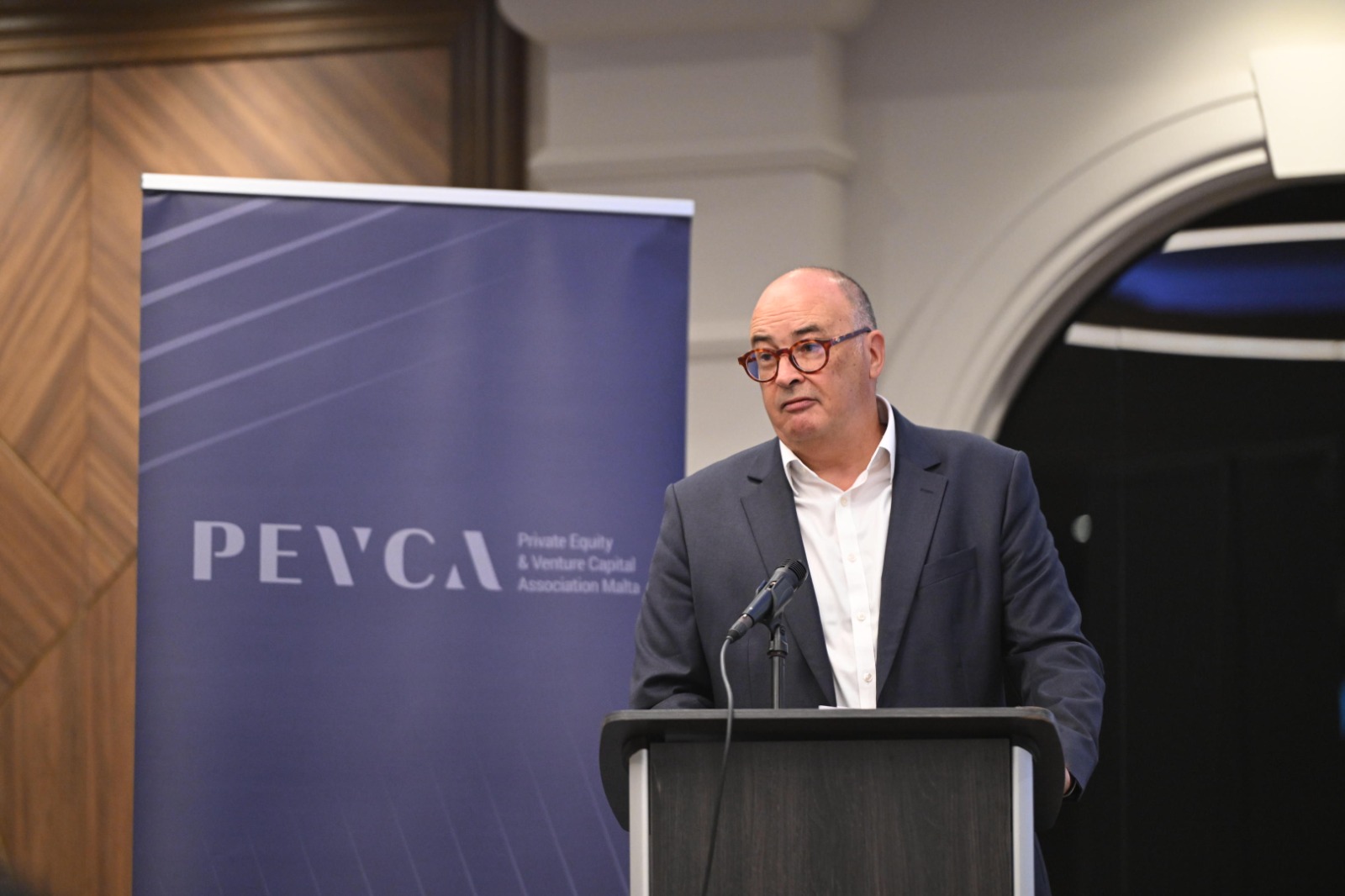

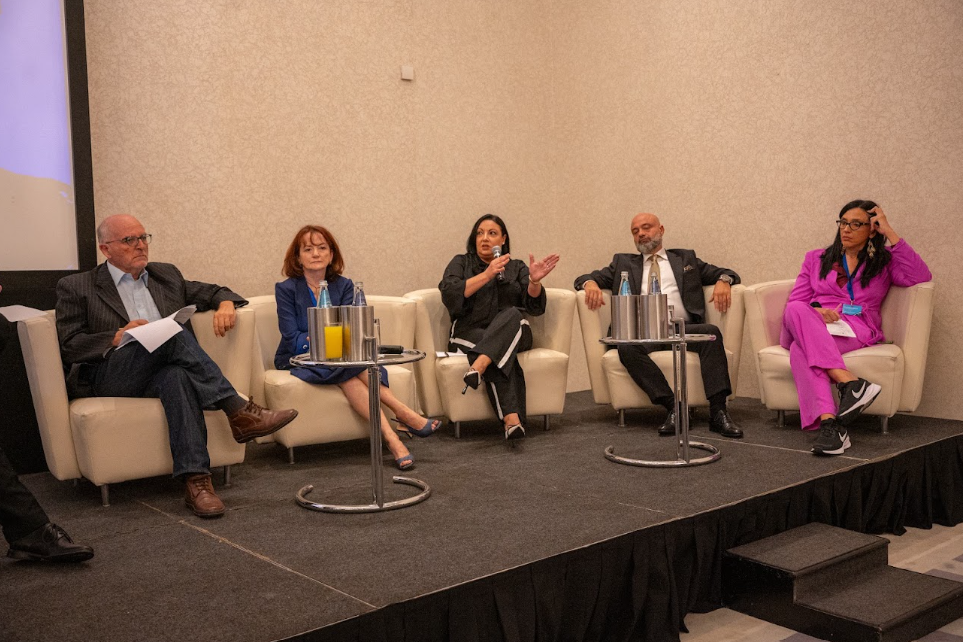
‘We need to break the cycle’: MHRA CEO calls for rethink of Malta’s tourism growth model
The MHRA CEO joined four other stakeholders in a much-needed conversation on tourism development.
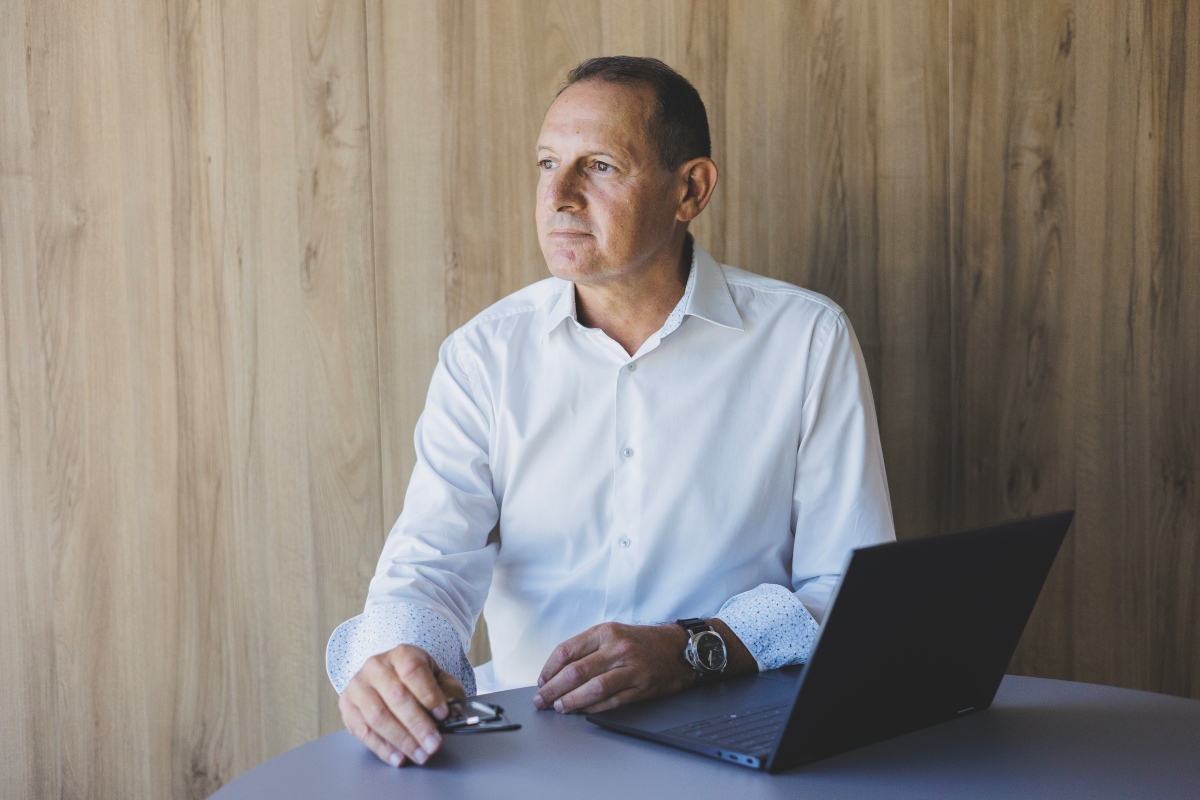
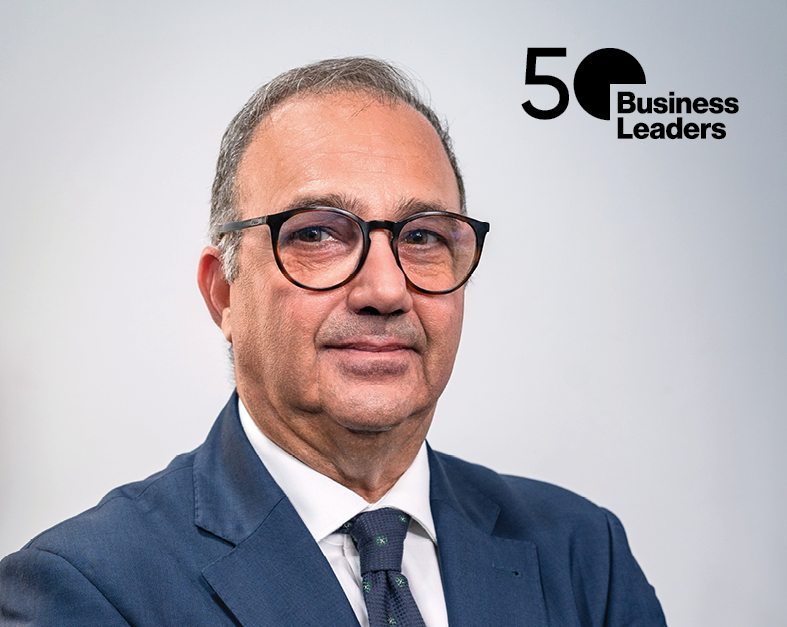
‘Value is about much more than competitive prices’ – The Convenience Shop CEO
The CEO believes value is also delivered through ‘the overall shopping experience, product quality, location, and trust.’
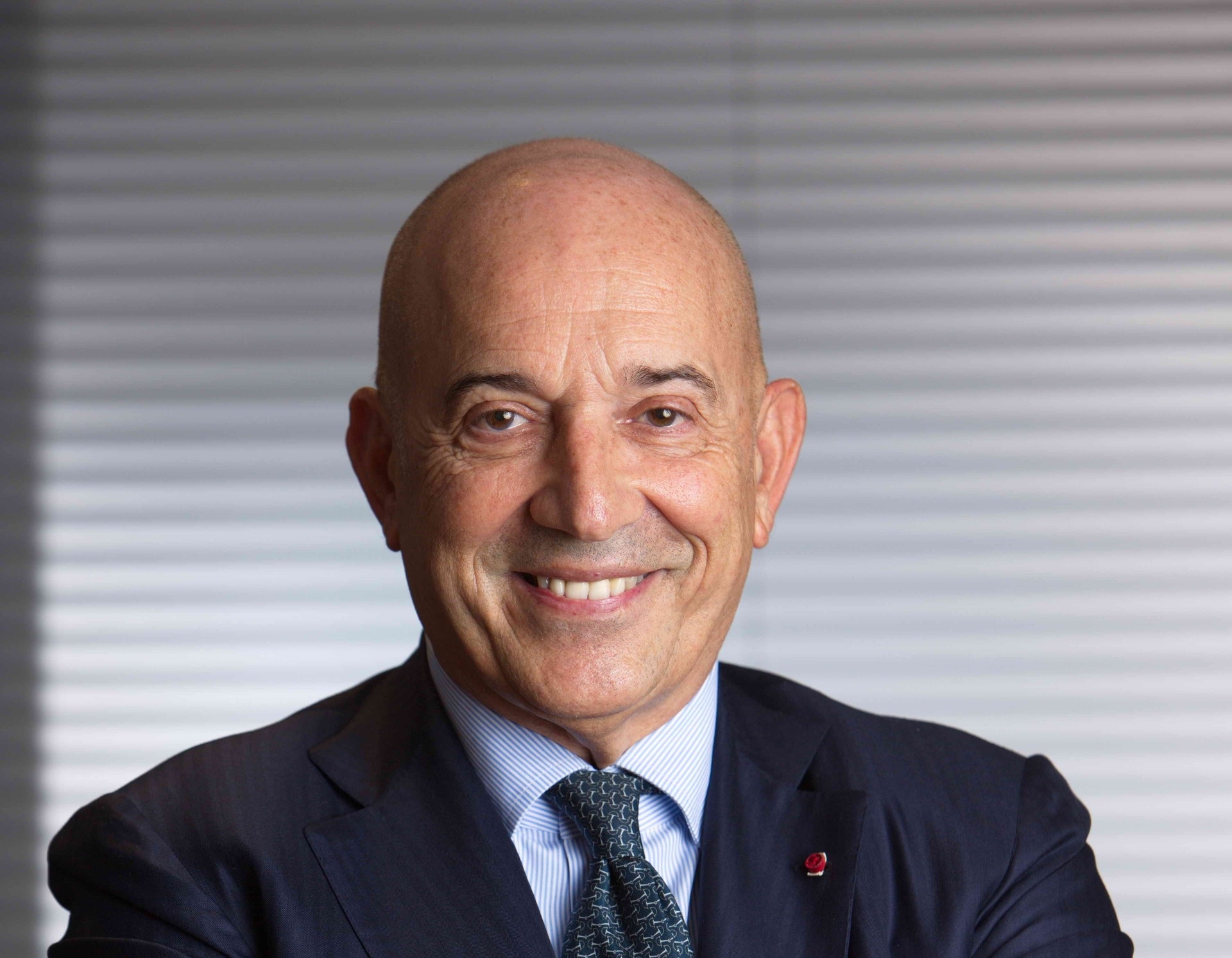
Emanuele Grimaldi takes the helm at the Malta International Shipowners Association
A founding member of MISA, he has extensive experience in leading other shipping bodies.

Izola Bank appoints Edward Grech as new Head of Finance and Treasury
The bank said that the appointment is effective from 14th October.
