


As Malta heads into an election cycle increasingly shaped by digital realities, artificial intelligence is emerging as both an opportunity and a risk. The question, this May 30th and beyond, is no longer whether AI will transform the economy, but whether Malta is prepared to guide that transformation.
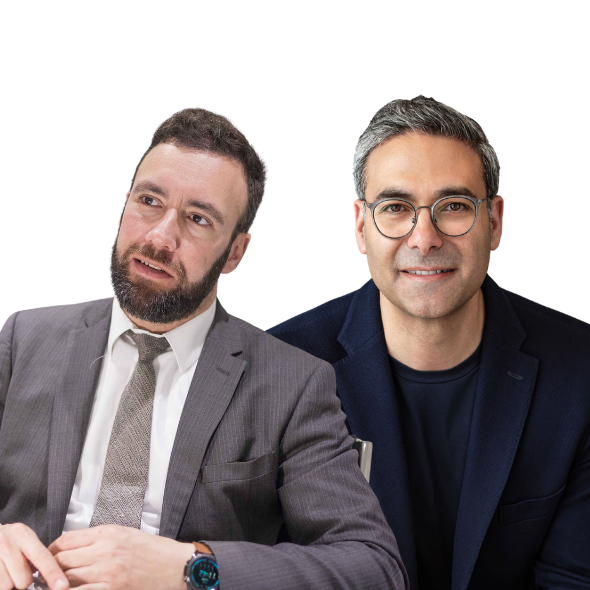
For Gege Gatt, CEO of London-based AI company EBO, success in the next five years hinges on ambition matched with responsibility. “Success would mean that Malta is not merely using AI, but shaping it,” he tells MaltaCEOs. “In five years, Malta should be a small state with large state capability, faster public services, AI literacy in every classroom, SMEs using AI to grow beyond our shores, and strong safeguards that keep human dignity, privacy and accountability at the centre.”
But achieving this vision requires immediate action. According to Dr Gatt, Malta must prioritise a national AI literacy and governance programme within the next 12 months. “Every public entity adopting AI should have clear rules on transparency, human oversight, data protection, bias testing and accountability,” he explains. “But regulation alone is not enough. Citizens, students, journalists, civil servants and business leaders must understand what AI can do, what it cannot do, and when it should not be used. Literacy is the first line of safety.”
Beyond governance, questions of sovereignty are becoming increasingly urgent. As governments turn to private providers for AI infrastructure, the risk of long-term dependency grows. “The State should buy capability, not dependency,” Dr Gatt says, advocating for open standards, data portability, and procurement safeguards that ensure democratic accountability remains firmly in public hands.
That concern is echoed by Keith Cutajar, founder of CY4 Ltd and a court expert in digital forensics, who frames vendor lock-in as a critical security threat. “To avoid becoming entirely dependent on massive foreign tech conglomerates, we must prioritise open-source models, build sovereign infrastructure, and enforce interoperability across systems,” he notes.
Mr Cutajar argues that Malta’s size, often seen as a limitation, could instead become a strategic advantage. “We cannot out-compete massive global models, but we can become a centre of excellence for AI security and compliance,” he says, pointing to the potential alignment with the EU AI Act as a competitive edge, particularly for sectors such as financial services and iGaming.
However, both experts agree that Malta’s current preparedness, particularly in the face of AI-driven misinformation, remains insufficient.
“Malta is alert, but not yet sufficiently prepared,” Dr Gatt warns. “Deepfakes are not just a technology problem; they are a trust problem. During an election, speed matters. A false video can travel faster than a correction.” He highlights the absence of a clear, rapid-response protocol between institutions such as the Electoral Commission, media houses, and digital platforms.
Mr Cutajar is direct. “To be entirely candid, Malta is currently highly vulnerable,” he says, pointing to the country’s polarised political landscape and heavy reliance on platforms like Facebook and WhatsApp. “Our institutions currently lack the rapid-response technical capabilities to debunk highly sophisticated AI fakes in real time.”
Both underline the urgency of coordinated action, including the creation of a non-partisan task force and a nationwide media literacy campaign. As Dr Gatt puts it, “In this election, seeing is no longer believing. Democracy now depends on the discipline to verify before we amplify.”
Yet beyond policy and infrastructure, a deeper structural challenge remains: talent. Malta continues to face a brain drain in high-level cybersecurity and AI expertise, threatening its ability to build and sustain the systems it needs. Without addressing this, Mr Cutajar cautions, even the best strategies risk falling short.
Against this backdrop, even seemingly separate policy proposals, such as extended parental leave, intersect with the AI conversation. In high-pressure sectors like tech, workforce sustainability is critical. “Equitable leave policies are crucial for retaining top talent, especially for closing the gender gap,” Mr Cutajar notes, while warning that SMEs will require targeted support to absorb operational pressures.
This is the first election in the age of AI: a present reality that demands strategic clarity, institutional readiness, and a careful balance between innovation and control.
Because in the race to adopt AI, the real risk is moving without direction.
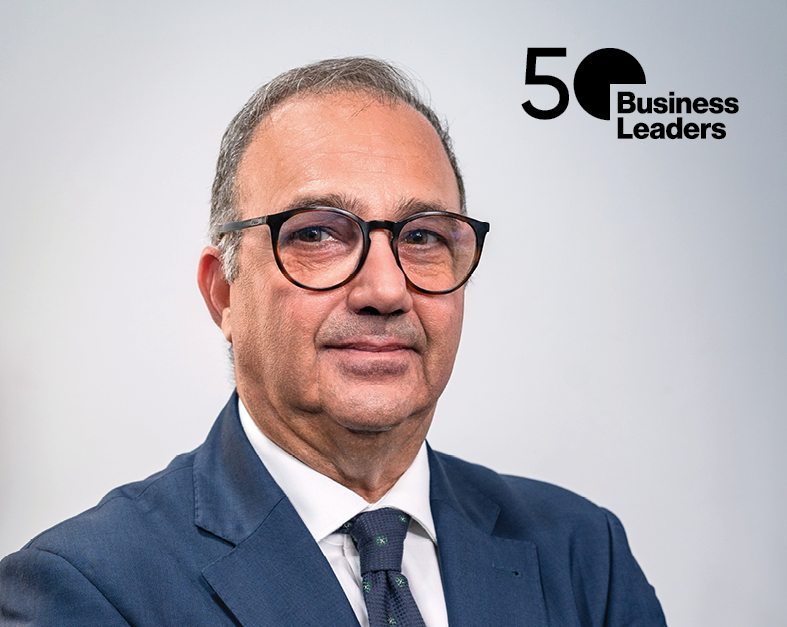

The Convenience Shop appoints Martin Brant as Chief Operations Officer
Martin Brant joined in July 2026 as Senior Operations Manager, overseeing an estate of more than 100 stores.
‘Growth comes from being willing to take calculated risks’
Darren Ciantar, founder and CEO of Ciantar Group, traces the ambitions, opportunities and uncertainties that have helped shape the enterprise.

Saint James Hospital CEO calls for introduction of tax subsidies for people who buy health insurance
It would encourage more people to take up private cover, which in turn would reduce pressure on state hospitals, he ...

Legal certainty and targeted AI incentives among business priorities for Budget 2027
Andreas Ditsche and Jordan Bonello Gauci speak with MaltaCEOs.mt ahead of Monday's budget.
