


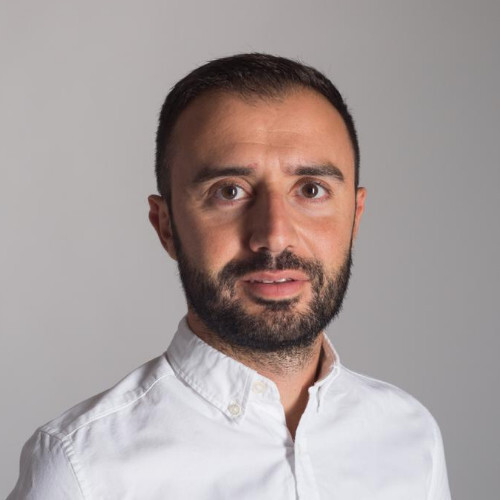
Director of Data and Analytics at LeoVegas Group, Robert Farrugia, took to LinkedIn to offer his two cents about the remote working debate, ultimately concluding that more power should be given to employees rather than management when deciding on a preferred place of work.
“Most companies are trying to figure out whether their employees should work remotely or from the office. Working remotely gives people the space and time to be more productive and creative, however during the past year we have also learned that such creativity is useless unless people get together to share and help each other build on their ideas,” Mr Farrugia wrote.
He highlighted that “communication is at its best when people are gathered in the same room, however communication without productivity, probably best achieved when working alone, is also useless.”
The shift to remote working created a set of unprecedented challenges for employers in various industries. In a recent interview with iGaming Capital, George Tabone, Head of Service Delivery at Konnekt, said that “the Work From Home (WFH) realities will possibly pose more challenges to recruiters while shortlisting candidates”.
Such challenges include “adopt[ing] benefits aligned with WFH realities”, prioritising a new set of soft skills, such as “teamwork, adaptability, communication, and collaboration”, and “realigning company culture to adhere to the needs of candidates,” Mr Tabone said.
In light of the challenges and benefits posed by the prospect of remote working, Mr Farrugia suggested that “the best strategy that companies can take right now is to avoid one-size-fits-all rules and empower employees to find the best balance between productivity / creativity and communication.”
“[Companies] need to trust that their employees know what’s best for them to maximise their potential given the tasks at hand,” the Director of Data and Analytics concluded.
HR Director at RakeTech Group, Martin Schilig, recently also highlighted that going back to the office after a period of remote working might trigger employees’ anxiety. In light of this reality, Mr Schilig expressed interest in learning more about how companies will support employees in such circumstances.
Featured Image:
LinkedIn / Robert Farrugia

BOV CEO: Traffic congestion affecting employees’ work-life balance, but not bank operations
One in four BOV employees made use of flexible working arrangements in 2025, as the bank seeks to minimise the ...

Businesses should heed the lesson in Revolut’s nightmare Tuesday
Melita’s Roderick Farrugia and BMIT’s Sean Cohen urge companies to review their vulnerability to single points of failure.

Andy Tanti appointed Chief Commercial Officer at the Ramla Bay Resort
Up until recently, he worked as a commercial manager at the same hotel.
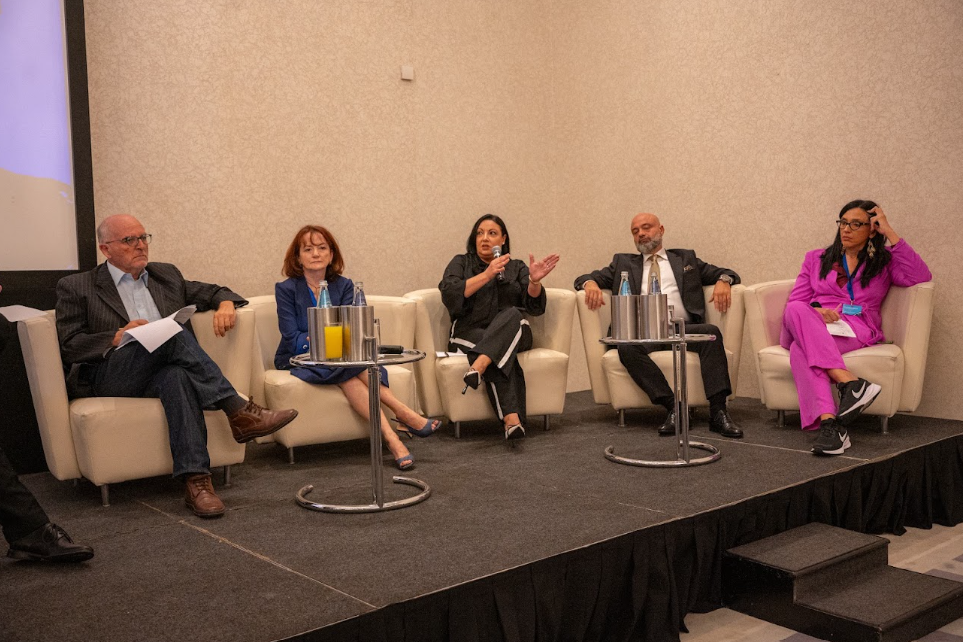
‘We need to break the cycle’: MHRA CEO calls for rethink of Malta’s tourism growth model
The MHRA CEO joined four other stakeholders in a much-needed conversation on tourism development.
