



JetFreight CEO Olvin Galea has stressed the need for the EU to introduce a permanent island mechanism that recognises essential connectivity, protects strategic freight routes and prevents unavoidable transport costs from being passed directly to island citizens.
Mr Galea spoke of the European Union’s Emissions Trading System (ETS) and ETS 2. The ETS is the world’s first carbon market, launched in 2005, and remains one of the largest globally. In July, the European Commission presented its long-awaited proposal to revise the EU Emissions Trading System (ETS) Directive.
Recently, Joseph Bugeja, Chairman of the Association of Tractor and Trailer Operators, said that Malta’s logistics operators and consumers are already experiencing the economic impact of the European Union’s Emissions Trading System (ETS), and that the result is straightforward: higher transport costs that ultimately increase the price of almost everything imported into Malta.
Mr Galea echoed this statement, saying that the warning from Malta’s transport industry regarding ETS and ETS2 must be taken extremely seriously.
“Malta’s connection to mainland Europe is not a luxury, it is our economic lifeline. We cannot move freight by road or rail directly into the European market. Almost everything we import or export must first cross the sea, and this unavoidable journey is already carrying an additional ETS cost of approximately €1,000 per trailer on a return trip.”
ETS2 , he said, is expected to add a further layer of carbon-related costs from 2028, “affecting road transport and fuel used once our trailers reach mainland Europe.”
He explained that these costs will ultimately be reflected in the prices that businesses and families pay.
He stressed that this being about the question of fairness in Europe, highlighting that businesses on the European mainland can transport their goods by rail or on the road, but Maltese businesses have to pay for maritime crossings that cannot be avoided.
“Applying identical environmental charges to these entirely different geographical realities does not create equality it institutionalizes inequality,” he said.
He said that these charges operate like internal EU tariffs, and stressed the detrimental impact they can have on island economies, adding that they could be as damaging as import duties imposed by the USA on the EU.
He said that Malta, Cyprus and the island communities of Greece cannot be treated as though they possess the same transport alternatives as continental Europe. “We cannot build a railway to the mainland, and we cannot eliminate our dependence on shipping through policy decisions alone. I fully support responsible environmental action. However, climate policy must reduce emissions and not punish geography.”
Mr Galea recently urged the EU to back its recently unveiled island strategy with dedicated funding and support measures to safeguard freight links between islands and mainland Europe.


Strategist behind Simon Squibb’s global brand to speak at Malta event
Jack Whettingsteel will speak at an FPEI business breakfast on 3rd December.
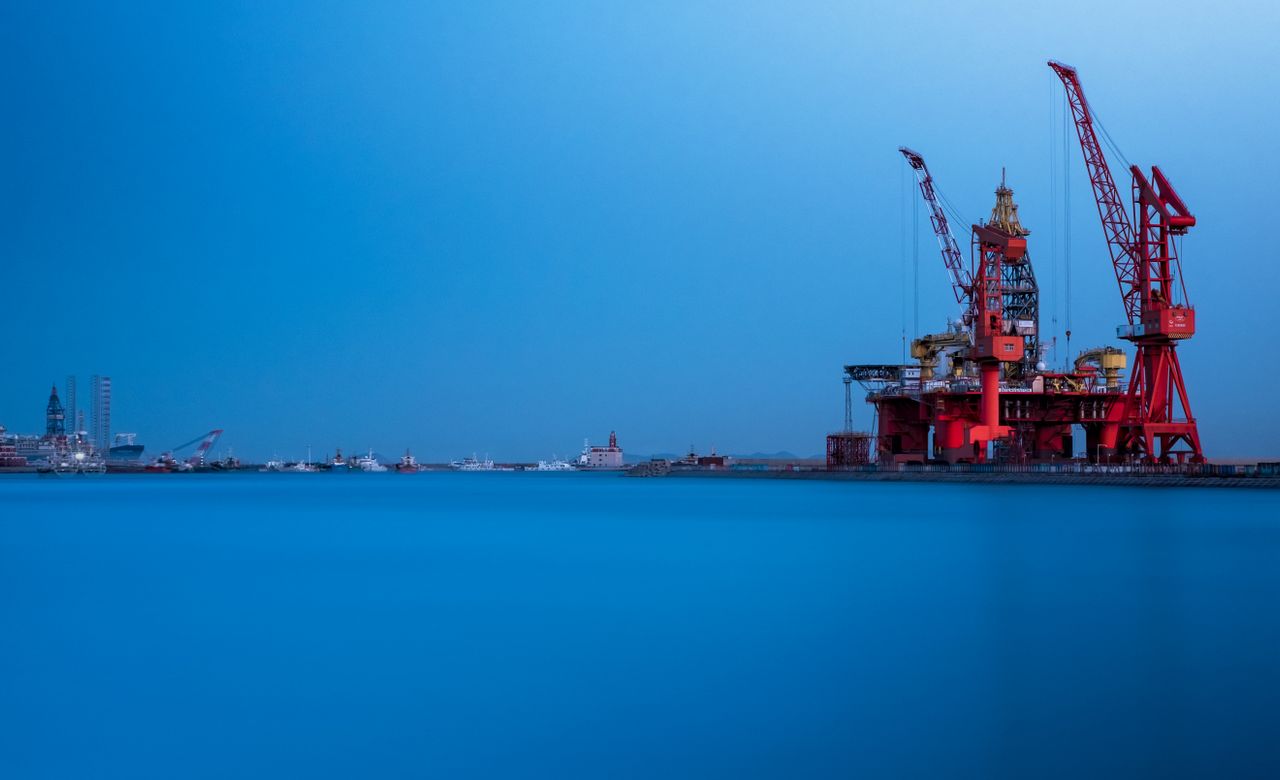
Alkagesta moves into vessel ownership and names leadership team for Turkish acquisition
Malta-headquartered trading house Alkagesta has made its first acquisition of an operating company, with the purchase of Energy Petrol completed ...

Daniel Bajada sets out vision after being appointed CEO of Bajada Lyons Group
More than three decades after Mark Bajada founded Bajada Lyons Group, his son takes the helm, with a plan to ...
Marc Alden fulfils mandate as Deloitte Malta CEO
Marc Alden remains with the firm as a partner; Conrad Cassar Torregiani elected to succeed him.
