

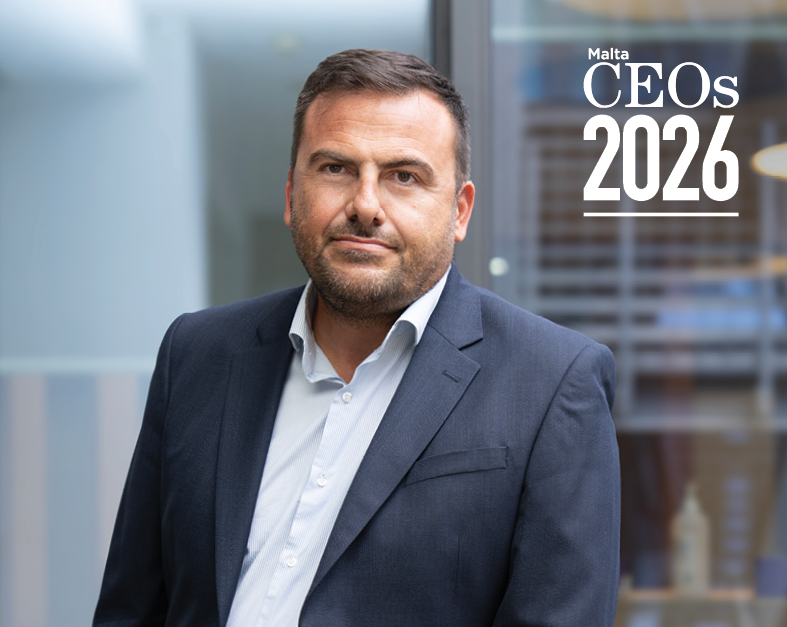
As Chairman of FinanceMalta, George Vella is at the helm of promoting the nation’s financial services sector on the global stage. Looking ahead to 2026, his strategy is anchored in a highly collaborative ecosystem and a decisive shift towards a targeted international approach. It also focuses on leveraging Malta’s unique jurisdictional strengths in wealth management and fintech to navigate a landscape of unprecedented technological change and global uncertainty.
Shining a light on the recent performance of FinanceMalta, Chairman George Vella is quick to frame its success not as a singular effort, but as the result of a deeply interconnected national strategy.
He begins by looking back a few years, to the establishment of the Malta Financial Services Advisory Council (MFSAC), which he deems a critical turning point. “Whereas FinanceMalta has been set up for more than 15 years, it never truly had a strategy-setting body which it could liaise very strongly with,” he posits. “The recent successes of FinanceMalta cannot be decoupled from the success that this organisation – the MFSAC – is actually bringing to the table.”
This collaborative spirit is the bedrock of his approach. The council, tasked with gathering “the best brains in Malta to decide where to take this sector,” provides the strategic roadmap for FinanceMalta to follow – and this synergy is paying dividends. “Last year was a record year in terms of sponsorships; we managed to raise close to 50 per cent of what we receive in Government funding,” he reveals, adding that membership has also grown significantly. “That to us is a clear indication that our members are seeing value in what we are trying to do.”
Malta’s financial services sector has certainly navigated turbulent waters, from the FATF greylisting to the global pandemic. For George, maintaining focus during such times comes down to a core principle: “Going back to fundamentals,” he states. “These kinds of challenges give you the option to stop and think. What have I learnt in the past that has stood by me in times like this?” Today, the Chairman firmly believes the sector has emerged from these trials stronger and more resilient, though he is quick to compliment those who came before him. “I wasn’t part of FinanceMalta during these difficult times, so I won’t take credit for what has happened in the country; though I do think it has been very well managed.”
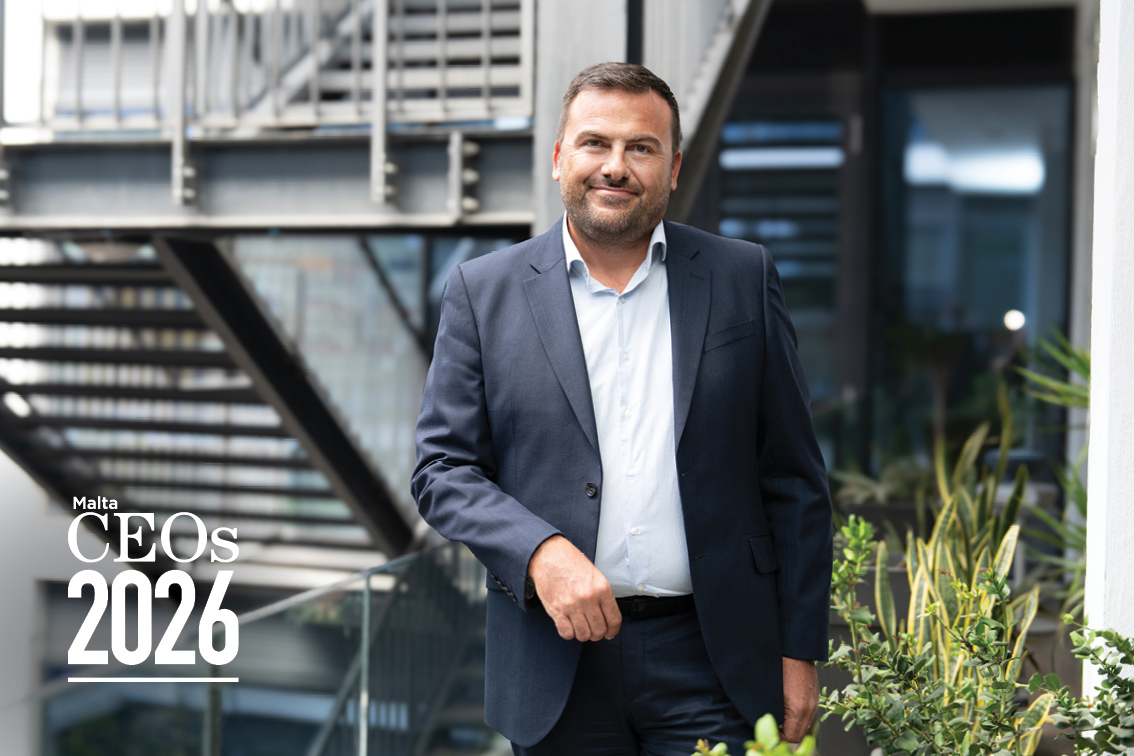
This reflective nature extends to his own leadership philosophy, which has been shaped over a long career. One formative piece of advice he shares is to “always spend time with people who you believe are better than you, because that is the most effective way to learn.” It’s a principle he holds dear. “I have always tried to surround myself with people who, in my assessment, are much better than I am, as doing so drives excellence.”
Moreover, George’s management style is built on trust and empowerment rather than control. “When you treat people as adults, you responsibilise them,” he asserts. “I believe in inspiring rather than micromanaging, and that, in many situations, the team’s judgment will – in all probability – be better than mine.”
This humility comes to the fore when asked about the most critical decision he’s made in the past year. “I cannot take credit for any particular decision that has been taken just by myself,” he responds immediately. “There were many good decisions, but they weren’t mine. They were collective.”
Looking forward, the key strategic pivot for FinanceMalta is a move towards a more focused international outreach. “The organisation has to slowly move on from, or complement, its mass marketing approach to a more targeted one,” he explains. This involves a deep-dive analysis of specific markets to find synergistic partners. “It’s about studying the market very closely and identifying players who, if they come to Malta, might act as strategic partners that will help the island grow in that particular area.”
He goes on to identify four key pillars for growth. Fintech, he argues, is a natural fit. “We enjoy a modern economy within Europe and, therefore, it is natural for fintech to find Malta as a home.” Beyond fintech, he candidly describes sustainable finance and capital markets as “hopefuls” – areas of aspiration where Malta must build its credentials.
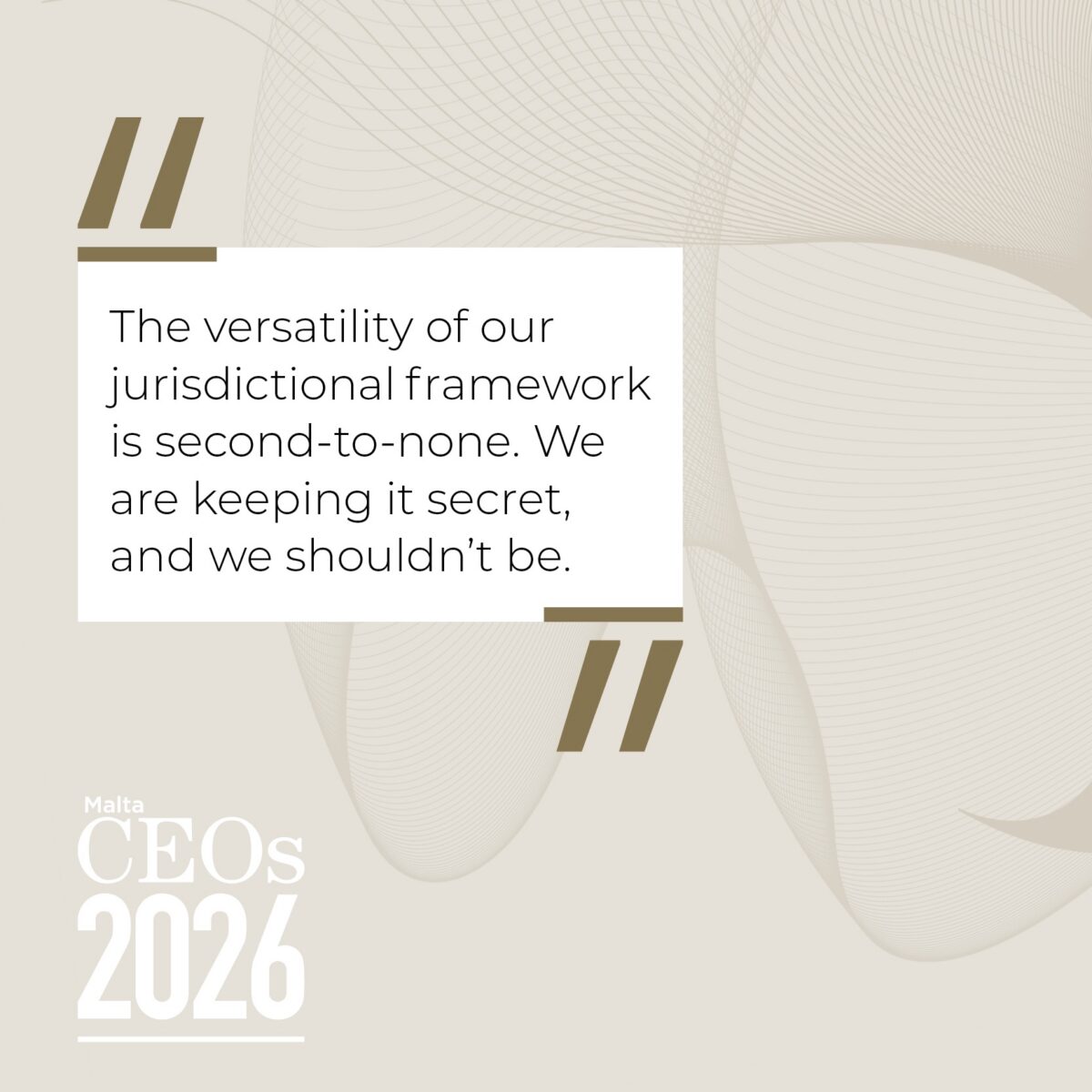
The fourth pillar, wealth management and family offices, is where he sees a powerful, under-leveraged strength. “The versatility of our jurisdictional framework is second-to-none,” he states, citing feedback from international operators. The issue, he believes, is one of communication. “We are keeping it secret and we shouldn’t be. We should be talking about this much more.” He broadens the definition beyond billionaires, noting that middle-class professionals across Europe with retirement pots of over €2 million fall within this target market, a segment for which Malta’s flexible structures are ideal.
However, on the broader topic of ESG, George is unflinching in his assessment. “This is our Achilles’ heel as a country. We’re not doing enough,” he admits. He feels a profound sense of responsibility for FinanceMalta to lead the charge. “It is incumbent on organisations like ours to identify areas where we’re not achieving our full potential and push harder. Am I happy with the progress? Not at all. Is it increasing my resolve to try harder? Yes.”
This drive is fuelled by what excites him most about the future: a period of profound transformation. “We’re going through a very interesting phase,” he says, pointing to the disruptive force of artificial intelligence (AI) and consolidation in the professional services world. “The business models that have seen us well up till now are no longer fit for purpose, and we need to change.” He also foresees a “democratisation of power”, where ownership in major firms will become more widespread among employees.
Simultaneously, global instability, while regrettable, presents an opportunity for Malta. “The uncertain times that we are living in are creating an opening for us as a strong, safe haven for people to store their wealth,” he maintains.
The FinanceMalta Chairman’s message to Malta’s business community is a rousing call to action; a warning against complacency. “I think we’re growing too comfortable. We are becoming, as Pink Floyd would say, comfortably numb,” he cautions. “We need to show our hunger a little bit more. We should be punching a little bit more. We need to get out of our comfort zone and show the world what Malta can do.”
This article is part of the serialisation of 50 interviews featured in MaltaCEOs 2026 – the sister brand to MaltaCEOs.mt and an annual high-end publication bringing together some of the country’s most influential business leaders.
Malcolm Camilleri: ‘Malta brings a strong economic base to 2026, tempered by structural challenges’
'The year ahead offers a landscape rich in opportunity.'
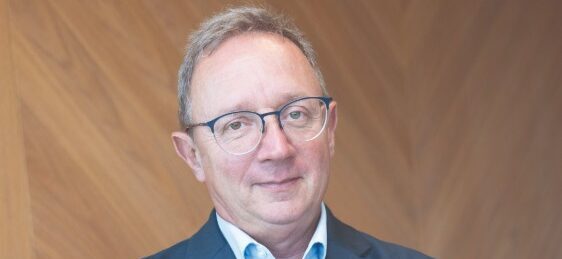
AX Group’s Michael Warrington: ‘The economy is doing well… yet there are limitations and challenges’
Still, 'my outlook is positive for 2026 and beyond.'
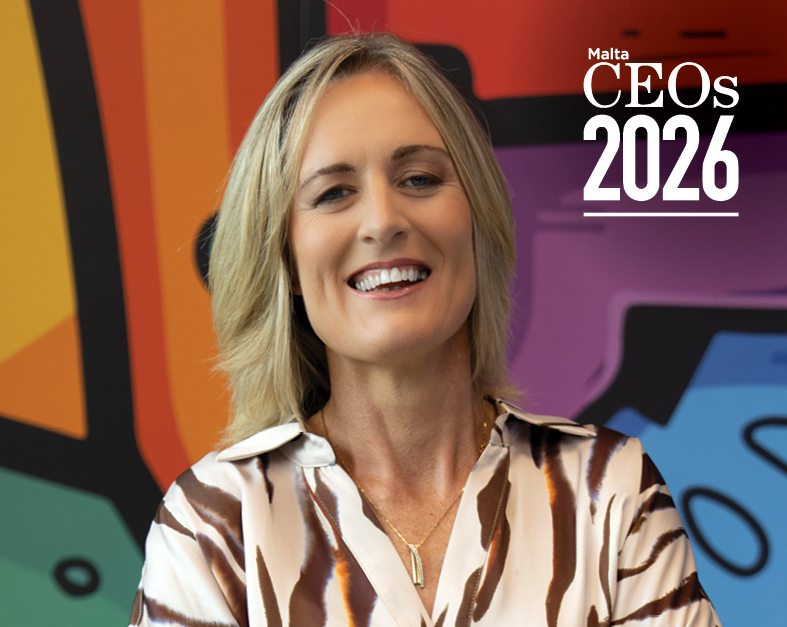
Shireburn CEO on leading with trust: ‘I believe people come to work to do a good job’
‘We want to create an environment that allows people to be extraordinary,’ says Adrienne McCarthy.
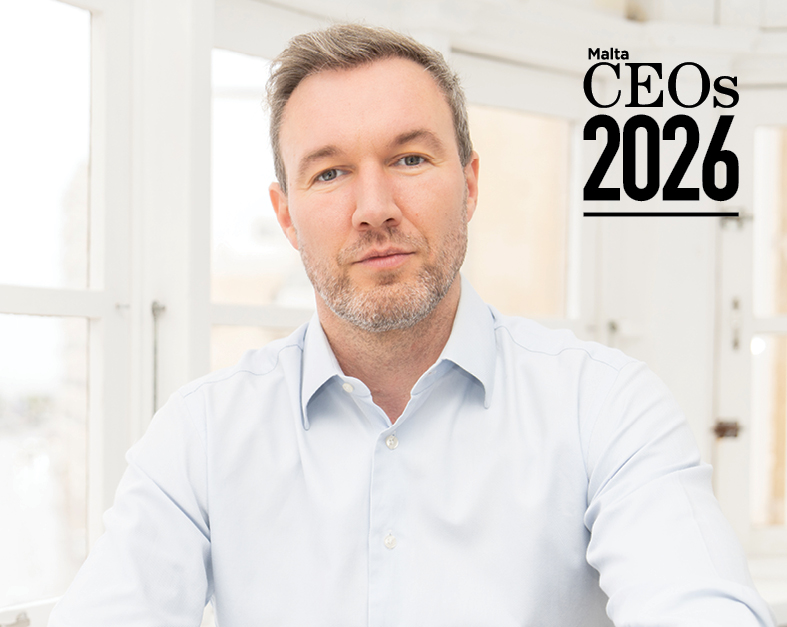
‘I felt this is it’ – OKX Europe CEO recalls moment he entered sector
Having spent his entire career in banking, OKX Europe CEO Erald Ghoos is clear-eyed about the limits of ‘archaic, slow, ...
