


With 2026 well underway, businesses are navigating a complex mix of growth and constraint. In a macro-level overview first published in the print edition of Malta CEOs 2026, we brought together economists, analysts and business leaders to assess sector trends, labour availability, cost pressures, sustainability requirements and the broader economic political context shaping the year ahead.
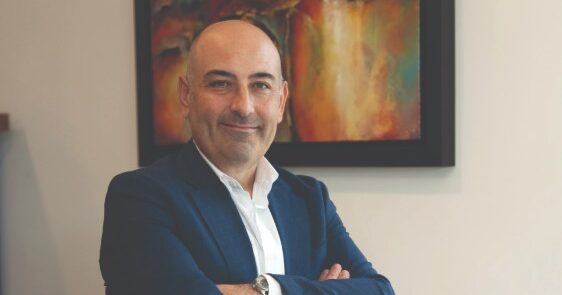
At PG Group, Malcolm Camilleri leads a diversified portfolio across hospitality, retail and real estate, focused on sustainable growth, investment discipline and business transformation.
“Malta brings a strong economic base to 2026, tempered by structural challenges in talent and global uncertainty. For forward-thinking enterprises, the year ahead offers a landscape rich in opportunity, anchored in stability, sustainability and strategic growth.
Malta’s economy continues to show resilience and adaptability, maintaining one of the strongest growth trajectories in the EU. This positions Malta as a competitive and agile economy in a complex global environment.
Key indicators point to stability with cautious optimism. Inflationary pressures, which dominated recent cycles, are easing, with rates expected to stabilise near 2.1–2.2 per cent, restoring predictability for businesses and households. The labour market remains tight, with unemployment among the lowest in Europe at approximately three per cent. However, persistent skill shortages highlight the need for targeted workforce strategies and upskilling initiatives.
ESG remains a critical pillar of business strategy in 2026, shaping how companies operate and engage with stakeholders – but as we integrate sustainability into our core practices, we must also safeguard our competitiveness. The challenge lies in aligning ESG commitments with cost efficiency and innovation, ensuring that businesses can thrive in a global market while meeting environmental and social responsibilities.
Some sectors in Malta are approaching a point where supply is likely to outpace demand, creating structural imbalances and competitive pressures. This oversupply risk could lead to margin compression, increased vacancy rates and heightened financial strain for businesses operating in these areas.
For Malta to sustain last year’s growth, bold steps towards diversification will be essential. Traditional sectors such as tourism, financial services and gaming have served us well, yet global trends and technological disruption demand that we broaden our horizons. Emerging industries such as green energy, digital health and services driven by artificial intelligence (AI) present significant opportunities for Malta to position itself as a hub for innovation.”
This forms part of a feature first published on Malta CEOs 2026, the sister print brand to MaltaCEOs.mt, both owned by Content House.

‘Greed harms businesses more than anything else’ – Wolfgang Tweraser
The TW Consulting & Trade Ltd CEO believes Malta has much more to offer: ‘It could be like a little ...
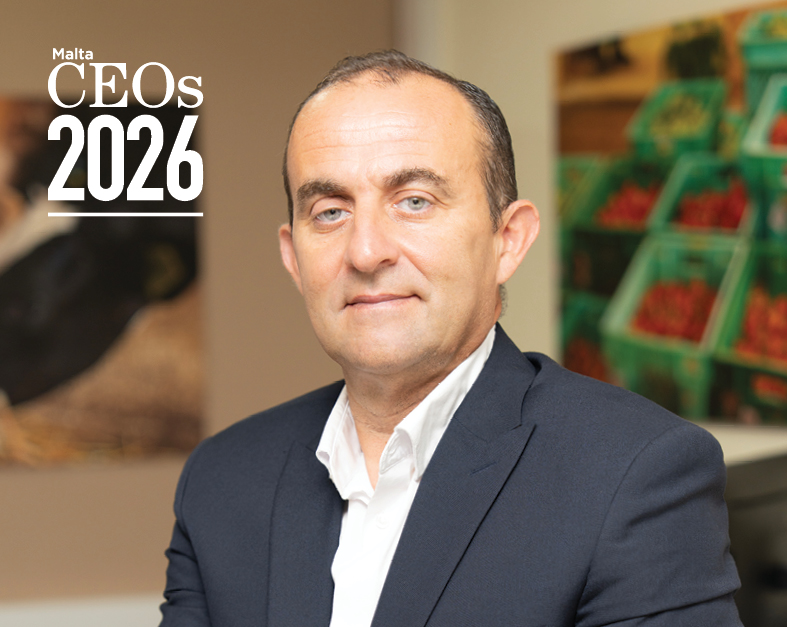
‘We can’t promote tourism without agriculture’ – Malta Food Agency CEO Brian Vella
‘I envision having fewer farmers, but more productive ones.’
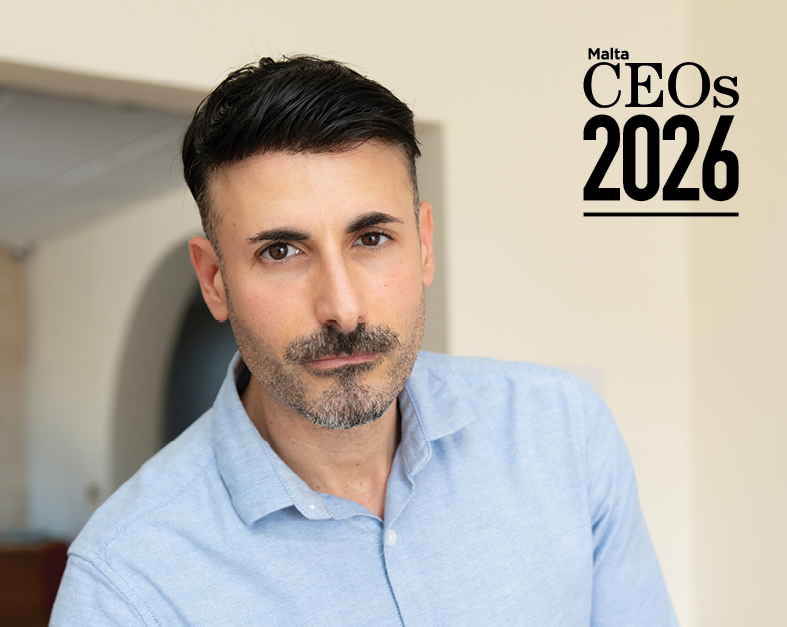
‘Not everything can be taught through textbooks’ – MUHC CEO Chris Schinas
‘I see my role as using the university’s name, its facilities and its resources to build a successful commercial arm.’
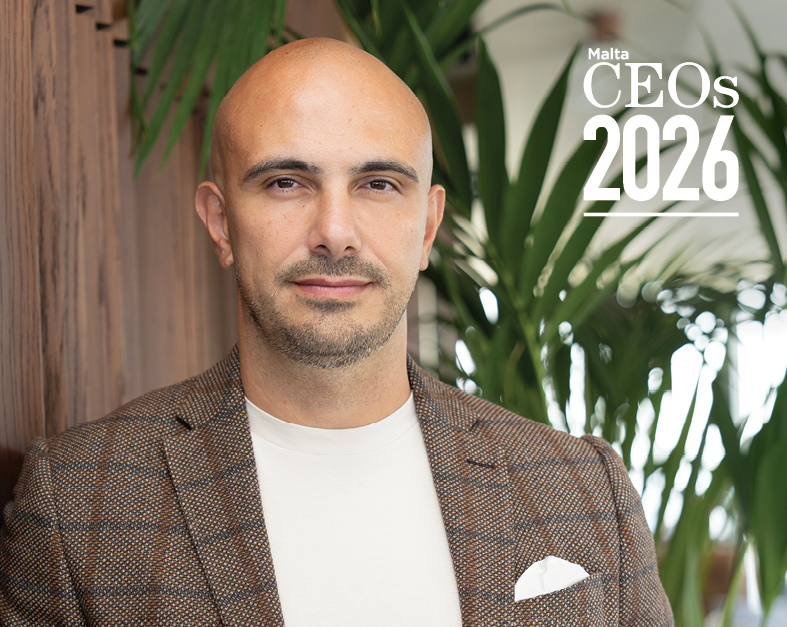
‘Retention is the new recruitment’ – HR Plus Managing Director Adrian Buttigieg
‘Starting from the ground up teaches you to value every team player.’
