


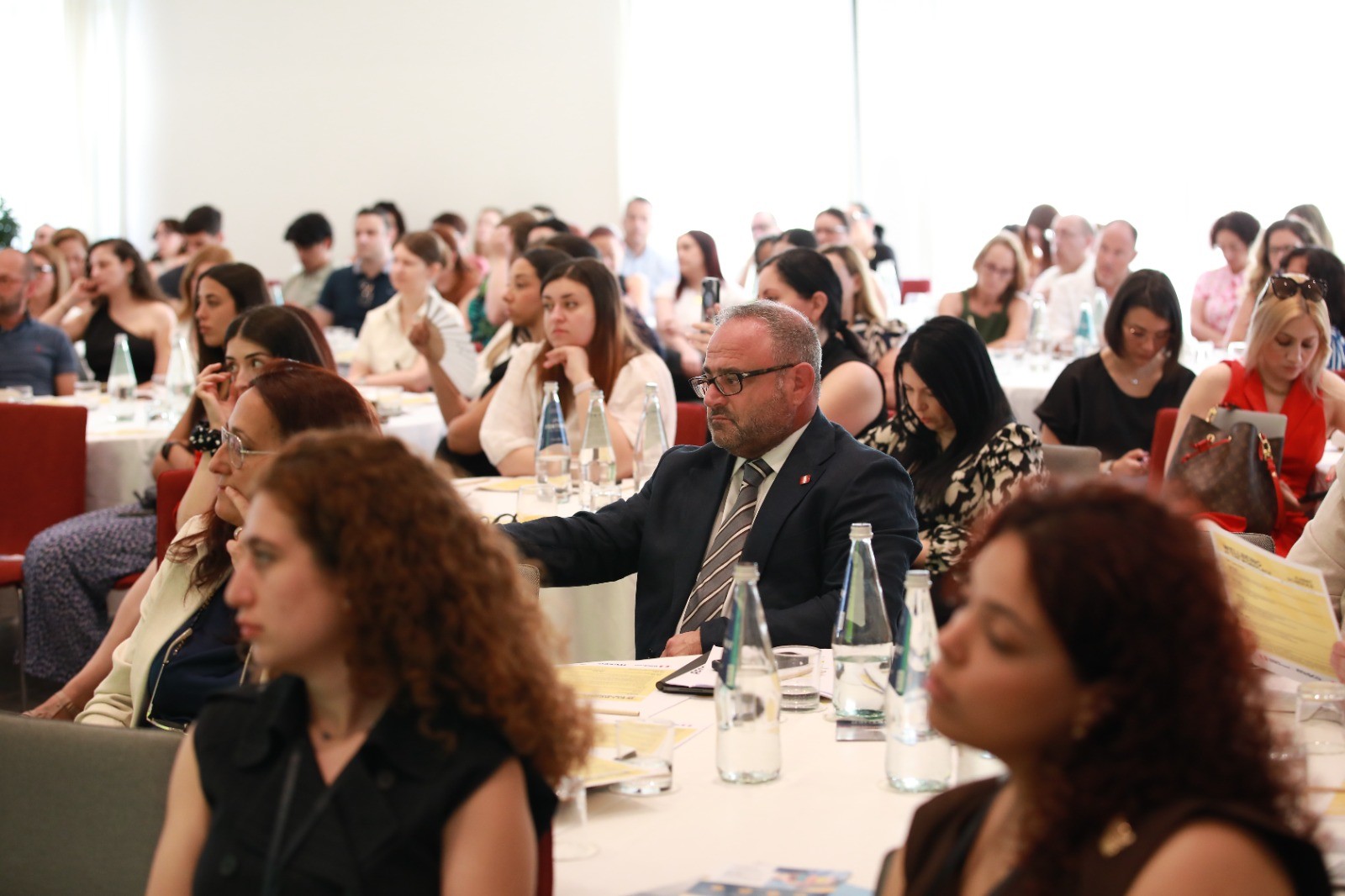
Flexible work needs to be considered in the context of better mental and physical wellbeing, Kevin J Borg, Director General of Malta Employers, said.
Speaking at the Workplace National Conference, which was jointly hosted by Malta Employers, misco and Atlas Insurance, Mr Borg said that flexible work can contribute to lower burnout, greater control over schedules, improved work-life balance, higher job satisfaction and lower stress.
The benefits are also organisational.
“Employers can also gain through reduced absenteeism, stronger employee engagement, greater loyalty and increased productivity, because employees are better able to manage personal and professional responsibilities effectively.”
During the event, new research findings were presented, showing that while 68 per cent of employees rate their overall wellbeing as good or very good, four in five say they have experienced work-related wellbeing difficulties at some point in their working lives. It also found that more than half describe their jobs as often stressful.
“The findings highlight a labour market where wellbeing efforts are continuous and are increasingly shaped by how work is organised, with flexible working emerging as a key response that may support better mental and physical wellbeing, reduce burnout, improve work-life balance and give employees greater control over their schedules,” a statement by the Malta Employers read.
The research, presented by Lawrence Zammit, Founding Partner and Director at misco, shows that 68 per cent of employees rate their overall wellbeing as positive. However, this positive self-assessment sits alongside continued strain, with 83 per cent reporting they have experienced work-related health or wellbeing difficulties at some point in their careers.
Amongst the main pressures identified were long working hours which are often necessitated by operational pressures due to lack of staff. 45 per cent of interviewed employees claimed to work more than 40 hours per week and 13 per cent said they exceeded 48 hours. Those working longer hours were more likely to report wellbeing difficulties, underlining the link between time pressure and sustained stress.
Against this backdrop, discussion at the conference focused on a shift in emphasis: from standalone wellbeing initiatives towards the structure and design of work itself. Flexibility, autonomy and hybrid working models are increasingly seen as central to addressing both employee expectations and organisational performance, the Malta Employers said.
Evidence suggests that many employers are already adapting where the nature of work permitted.
Furthermore, the Malta Employers’ survey collected advice from companies policymakers on the regulation of flexibility, based on their experience. The advice closely mirrors the stand of the Association in favour of avoiding regulation and allowing the employer and employee to negotiate directly in accordance with their needs and realities. Companies also called for focus on improved support infrastructure for parents and carers rather than mandating arrangements.
Jackie Attard Montalto, Chief HR Officer at Atlas, highlighted the importance of ensuring HR approaches are grounded in operational reality, with greater involvement of managers in shaping and testing workplace initiatives. She stressed the need for stronger feedback loops so organisations can better understand what is working in practice and adjust accordingly.
Malta Employers President Ivan Refalo added that leadership and communication are central to making flexible models effective, particularly in organisations operating under resource constraints. He emphasised shared responsibility and the need for clarity in expectations, noting that two-way communication is essential for building trust and ensuring flexibility works in practice, supported by appropriate training and guidance.
The event themed “Wellbeing at the Workplace – Turning Research Into Practical Action” focused on physical and mental health and featured talks covering all aspects of wellbeing at the place of work including flexible and hybrid work practices; managing workload boundaries and burnout; leadership behaviour and workplace culture; mental health support; healthy lifestyles and nutrition, financial wellbeing and awareness; and supporting diverse workforce needs.
The event featured a number of panel and roundtable discussions during which a number of industry leaders, both local and foreign, shared their views and insights, highlighting how the consideration of wellbeing is no longer a peripheral workplace feature but should form be an integral part of employers’ practical workforce strategy.

Michael Stivala re-elected MDA President, calls for better forward planning
'Malta urgently needs better forward planning, particularly in infrastructure, transport, utilities and community facilities.'
Effective leadership ‘starts with listening’, says ETERNA Group’s Priya Lakshmanan
Priya Lakshmanan, newly appointed Chief Strategy and Optimisation Officer at ETERNA Group, speaks about the leadership qualities needed to drive ...
Fenech & Fenech Advocates appoints Antonio Ghio as Chief Innovation and Technology Officer
Antonio Ghio is an IT Law expert and has been with the firm for the past 25 years.
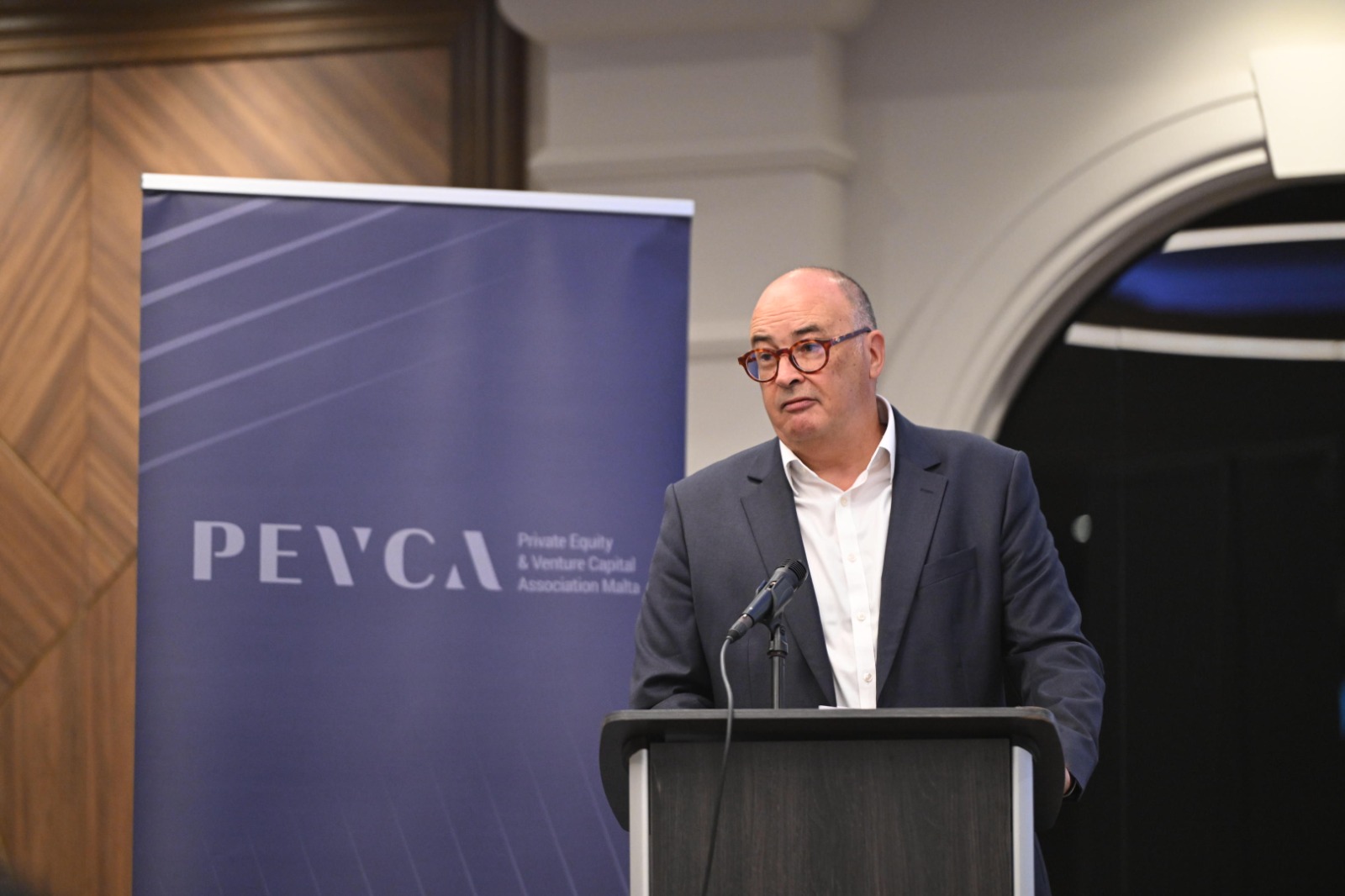
‘Considerable potential’ for Malta to develop as a private equity and venture capital hub – PEVCA head
He said that private equity and venture capital play a vital role in modern, innovation-driven economies.
