


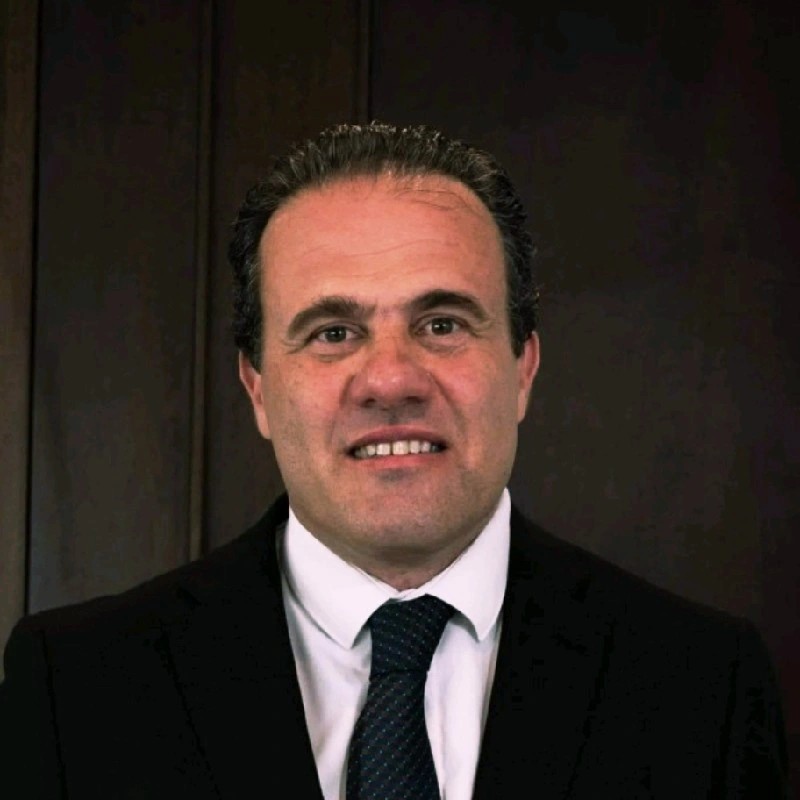
The circular economy conversation is shifting, Jason Vella, CEO of Circular Economy Malta, said.
The agency aims to foster and facilitate the transition from a linear to a circular economy through the effective governance of recyclable resources.
Mr Vella said that for years, circular economy sat in the sustainability column of a company's or a country's priorities. “Something to do because it was right, not because it was necessary.”
But, “that framing is starting to look outdated.”
He explained that Europe imports the vast majority of the raw materials its industries depend on. “When supply chains tighten, or a handful of countries control the materials everyone needs, that dependency stops being an environmental footnote. It becomes an economic exposure.”
Because of this, he said, the conversation is shifting.
“Keeping materials in use for longer is no longer just about waste reduction. It is about reducing how much a country or a company needs to import in the first place.”
That, he said, is a resource security question, not a green policy question, “even though the actions involved often look identical.”
But the agency CEO said that this is easier to say than to achieve.
“Collecting a material well does not automatically mean a country can use it again locally. Without the processing capacity to turn what is collected into something usable, materials still end up travelling long distances before they can be reused, and new raw material still has to be brought in to replace them. Genuine circularity depends on building that capacity, not just on collection rates.”
He said that the EU's upcoming Circular Economy Act reflects this reframing. “It is worth watching less as an environmental measure and more as an industrial strategy one.”
The Circular Economy Act he referred to is due for adoption this year. It aims to establish a Single Market for secondary raw materials, increase the supply of high-quality recycled materials and stimulate demand for these materials within the EU.
Mr Vella said that countries and companies that treat material efficiency as a competitiveness issue now will be better positioned than those still treating it as a compliance issue later.
Michael Stivala re-elected MDA President, calls for better forward planning
'Malta urgently needs better forward planning, particularly in infrastructure, transport, utilities and community facilities.'
Effective leadership ‘starts with listening’, says ETERNA Group’s Priya Lakshmanan
Priya Lakshmanan, newly appointed Chief Strategy and Optimisation Officer at ETERNA Group, speaks about the leadership qualities needed to drive ...
Fenech & Fenech Advocates appoints Antonio Ghio as Chief Innovation and Technology Officer
Antonio Ghio is an IT Law expert and has been with the firm for the past 25 years.
‘Considerable potential’ for Malta to develop as a private equity and venture capital hub – PEVCA head
He said that private equity and venture capital play a vital role in modern, innovation-driven economies.
