


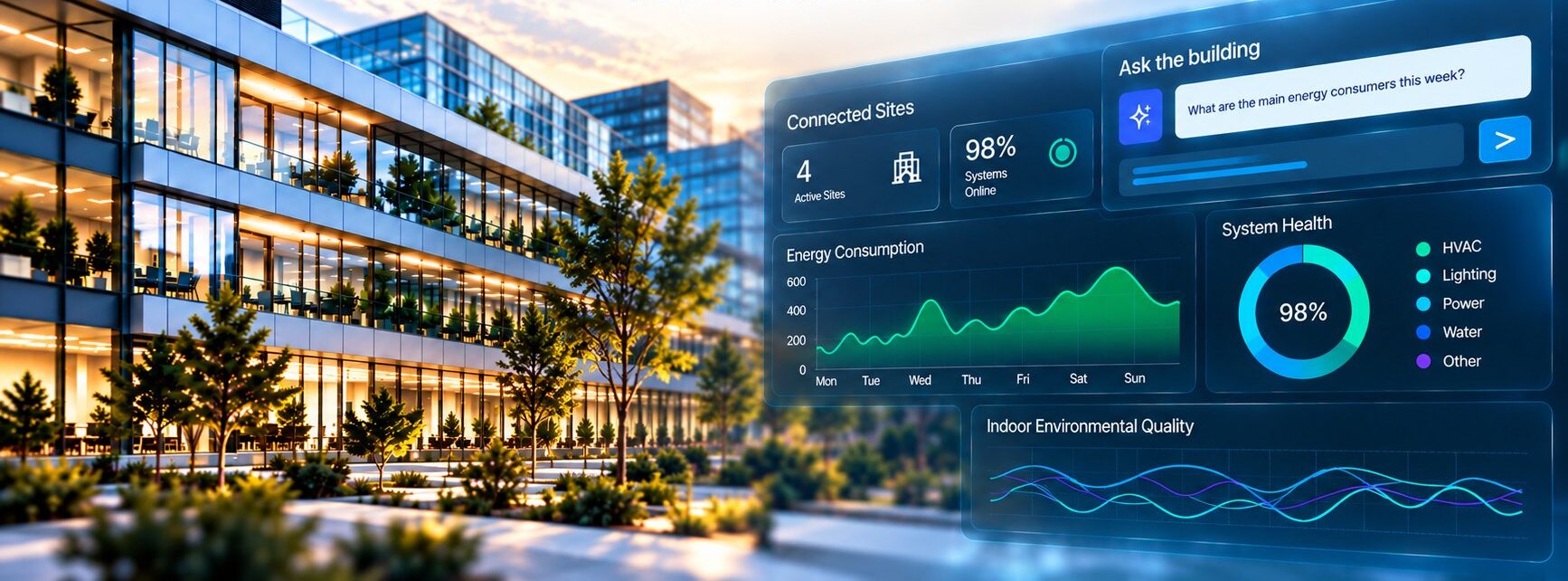
Harbour Solutions Ltd has reached a significant implementation milestone in its SEER research and innovation project, developing an integrated digital platform designed to transform how commercial buildings are operated, maintained and optimised.
While building automation systems have traditionally focused on monitoring and controlling equipment, SEER introduces a broader approach: combining operational data, engineering knowledge and Artificial Intelligence (AI) to support both energy efficiency and maintenance productivity.
The latest implementation integrates Microsoft Azure, Microsoft Fabric, semantic digital twins and AI-assisted analytics, establishing a foundation for more intelligent and proactive building management.
Making maintenance teams more productive
Modern commercial buildings contain thousands of interconnected sensors, controllers and mechanical systems. When operational problems arise, maintenance personnel often spend considerable time navigating different interfaces, identifying equipment, reviewing historical data and investigating possible causes.
SEER aims to simplify this process by bringing operational information together within a structured, context-aware digital environment.
Using semantic modelling based on the internationally recognised Brick Schema standard, the platform establishes relationships between equipment, sensors, building spaces and systems. This allows engineers to understand not only what a sensor is reporting, but also where it is located and which equipment it affects.
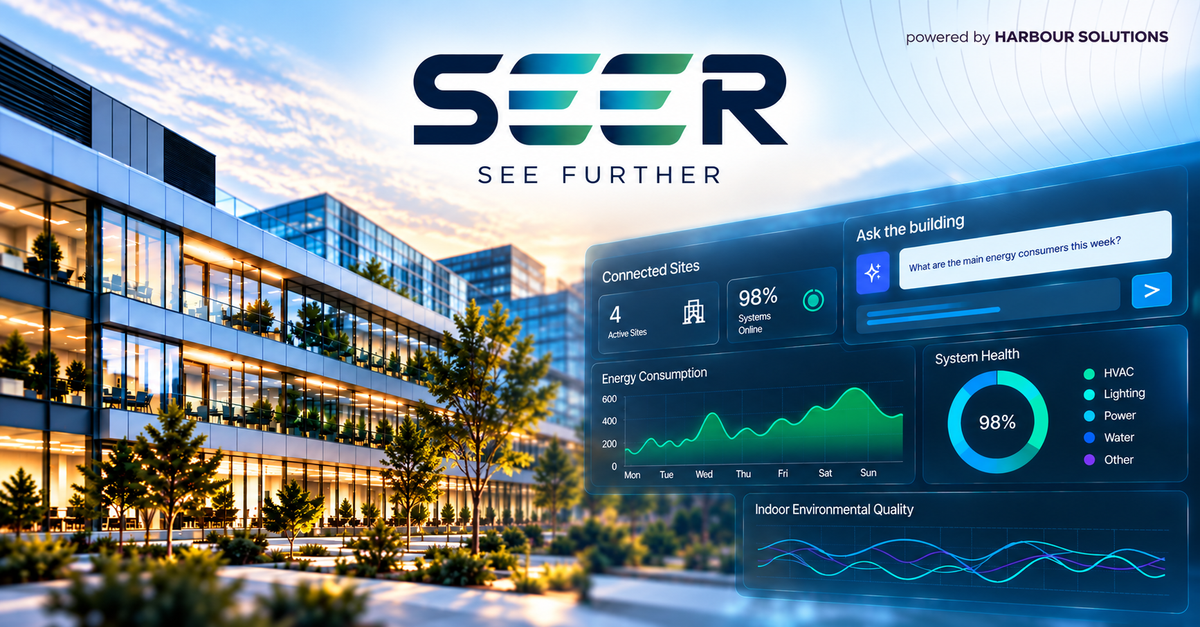
Combined with real-time dashboards and AI-assisted analysis, this approach can help maintenance teams identify anomalies, investigate recurring issues and prioritise interventions more effectively.
Rather than spending valuable time searching for information, engineers can focus on resolving problems and improving building performance.
From complex data to practical answers
A particularly promising development is SEER's integration of natural-language interaction with building data.
Through Microsoft Fabric's data and AI capabilities, the platform brings together operational measurements and semantic building information, creating opportunities for engineers to investigate performance using conversational questions.
For example, an engineer could ask which areas experienced abnormal temperatures, identify equipment exhibiting unusual operating patterns or investigate changes in energy consumption over a particular period.
This approach is intended to reduce the technical effort required to retrieve and interpret information, making advanced analytics more accessible to maintenance teams and facility managers.
SEER also incorporates AI-assisted analysis of operational trends to support recommendations, helping engineers move towards more proactive and evidence-based maintenance.
Connecting digital intelligence with field engineering
Harbour Solutions has also developed supporting applications that extend the platform beyond the control room.
These include a semantic modelling tool, a connected-site management interface and a field technician application supporting access to project information, equipment identification and commissioning progress.
The field application allows technicians to download project information before site visits, supporting work in plant rooms and other locations where internet connectivity may be limited.
Together, these developments aim to improve information consistency, reduce repetitive engineering tasks and strengthen collaboration between office-based engineers and personnel working on-site.
Improving efficiency without major infrastructure changes
Alongside maintenance productivity, energy optimisation remains a central objective of SEER.
By leveraging data from existing Building Management Systems (BMS), the solution is designed to minimise additional hardware requirements while enabling more sophisticated monitoring, analysis and operational recommendations.
A platform with wider industry potential
With a pilot implementation established, Harbour Solutions is progressing towards evaluating SEER's operational impact and validating its anticipated benefits.
Beyond individual buildings, the project demonstrates how Maltese engineering expertise can contribute to more productive maintenance practices, smarter facility management and scalable digital building services.
Project financed by Xjenza Malta, for and on behalf of the Foundation for Science and Technology, and the Malta Digital Innovation Authority, through the ‘R&I Thematic Programmes: Digital Technologies Programme’.
More information: www.harboursolutions.com | Harbour Solutions on LinkedIn


Related

From two routes to 53: MIA CEO praises Ryanair’s 20-year journey in Malta
Ryanair entered the Maltese market 20 years ago, initally with two flights to and from Luton and Pisa.
Malta must look beyond tax rates to remain internationally competitive, MIA CEO says
Maria Cauchi Delia speaks on Malta's competitiveness and Budget 2027 in a recent MIA conference.

The daves app is taking 24/7 convenience to another level
daves now is offering its customers a more convenient way to shop.
Malta’s maritime sector must look beyond ships and the national register, MMF chairman says
'Next phase of its development must be concerned not only with how much maritime activity passes through', he said
