


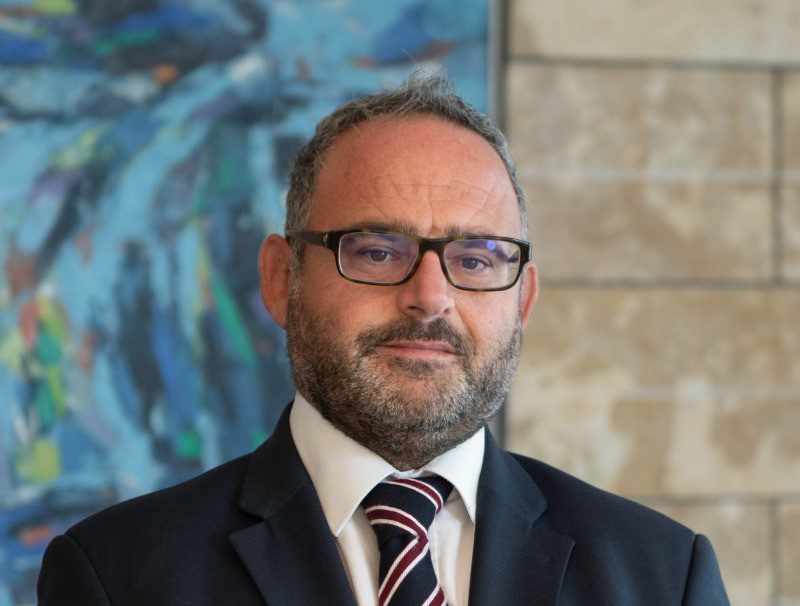
Malta’s reliance on labour to fuel economic growth “needs to be reversed,” says Malta Employers Director General Kevin J. Borg.
In the association’s pre-Budget document, he pointed to statistics showing that Malta’s economic growth relies on labour productivity to a much higher extent than capital.
“This may and needs to be reversed,” he said, “through the appropriate Budget measures to incentivise investment in digitalisation, automation, AI, and robotics across all sectors.”
Mr Borg described these technologies as “the foundation of Malta’s next leap in competitiveness, resilience, and value creation within new and traditional sectors alike.”
Such targeted incentives to boost productivity must be coupled with a “radical transformation” in Malta’s education system, said Malta Employers.
Noting that people are the islands’ “only natural resource”, the association is calling for a renewed emphasis on transversal skills in lieu of rote learning and exam-based teaching.
Such transversal skills include adaptability, digital agility and critical thinking.
Malta Employers also emphasises the role work-based learning has to play, arguing for its expansion across all levels of education, “giving students real exposure to the workplace, teamwork, communication skills, critical thinking and practical problem-solving.”
A detailed report of Malta Employers’ pre-Budge proposals can be found here.




Graziella Grech takes on Executive Director role at FinPlus Europe
'It is truly an honour to be part of such a dynamic organisation.'

DaVinci Health Malta appoints Tiziana Lagana as Deputy Chief Operations Officer
'I look forward to continuing this journey.'

KonnektTalexio announces leadership transitions
Lara Camilleri and Mark Camilleri Gambin take the helm
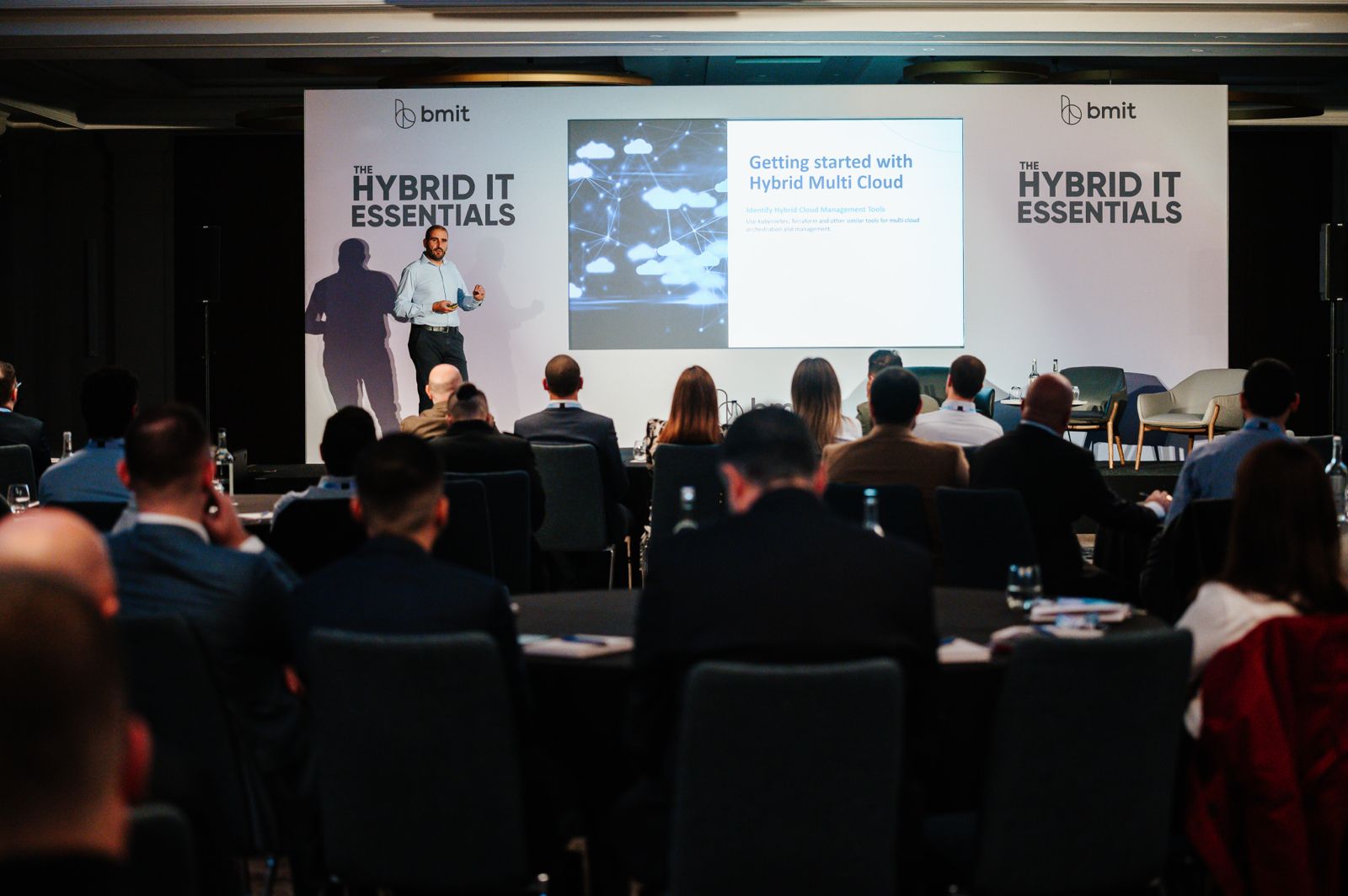
‘The Perspectives 2026’: An event for Malta’s IT decision-makers
BMIT’s upcoming ‘Perspectives 2026’ conference on April 14th brings together industry leaders to tackle challenges head-on and help decision-makers prepare ...
