



KM Malta Airlines is “not insulated from market volatility” when it comes to fuel prices, according to Executive Chairman David Curmi, who emphasised that while mitigation strategies are in place, exposure to global market dynamics remains unavoidable.
Speaking to MaltaCEOs.mt, Mr Curmi explains that Maltese Government fuel subsidies do not extend to jet fuel purchased by the airline locally, meaning the carrier must navigate price fluctuations independently.
“Like other airlines, we remain exposed to movements in jet fuel prices,” he says, noting that while hedging mechanisms can provide some level of short-term protection, they do not eliminate risk entirely.
Mr Curmi highlights that recent market developments have underscored the volatility of jet fuel prices, which can increase more rapidly than crude oil due to widening refining margins, commonly referred to as “crack spreads.”
Industry data from the International Air Transport Association (IATA), he adds, continues to show that fuel remains one of the most significant cost components for airlines.
Against this backdrop, KM Malta Airlines has adopted a structured risk management strategy covering fuel, foreign exchange, and EU Emissions Trading System (ETS) exposure.
The airline uses financial instruments such as futures, forwards, swaps, and options to manage exposure over a rolling 24-month period. However, Mr Curmi stressed that such tools are inherently temporary in their effectiveness.
“Hedging can provide short-term protection. Still, if elevated market prices persist, airlines remain exposed as hedges mature and are replaced at prevailing market levels,” he says.
This dynamic, he noted, is consistent across the aviation industry, with several European airline groups issuing similar warnings in recent months.
Geopolitical uncertainty remains a key concern
The current geopolitical environment continues to weigh heavily on market sentiment, introducing further unpredictability into fuel pricing.
Mr Curmi cautioned that while jet fuel futures are currently being priced downward, “nobody can realistically or reliably predict how the situation will develop.”
In addition to fuel costs, airlines must also contend with foreign exchange risks, particularly as many expenses are denominated in U.S. dollars while revenues are largely generated in euros.
Continuous monitoring and operational readiness
KM Malta Airlines is actively monitoring a range of variables, including refining margins, fuel supply security across its network, currency movements, and broader geopolitical developments.
“At present, the airline is operating normally,” Mr Curmi confirmed, adding that contingency planning forms part of standard operational practice.
However, he acknowledged that prolonged disruption could necessitate further action: “If market disruption were to become more prolonged or materially affect fuel availability, pricing, or operating conditions, we would assess what actions are necessary.”


Related

‘Tourism industry, like every other commercial activity, must be managed’ – MHRA President
'Perhaps what is now needed is clarity as to where Government wishes to see the industry,' Mr Zahra said.

Ending the year in good company at The Phoenicia Malta
The Phoenicia Malta’s selection of meeting spaces and service excellence set the scene to close the quarter – and the ...
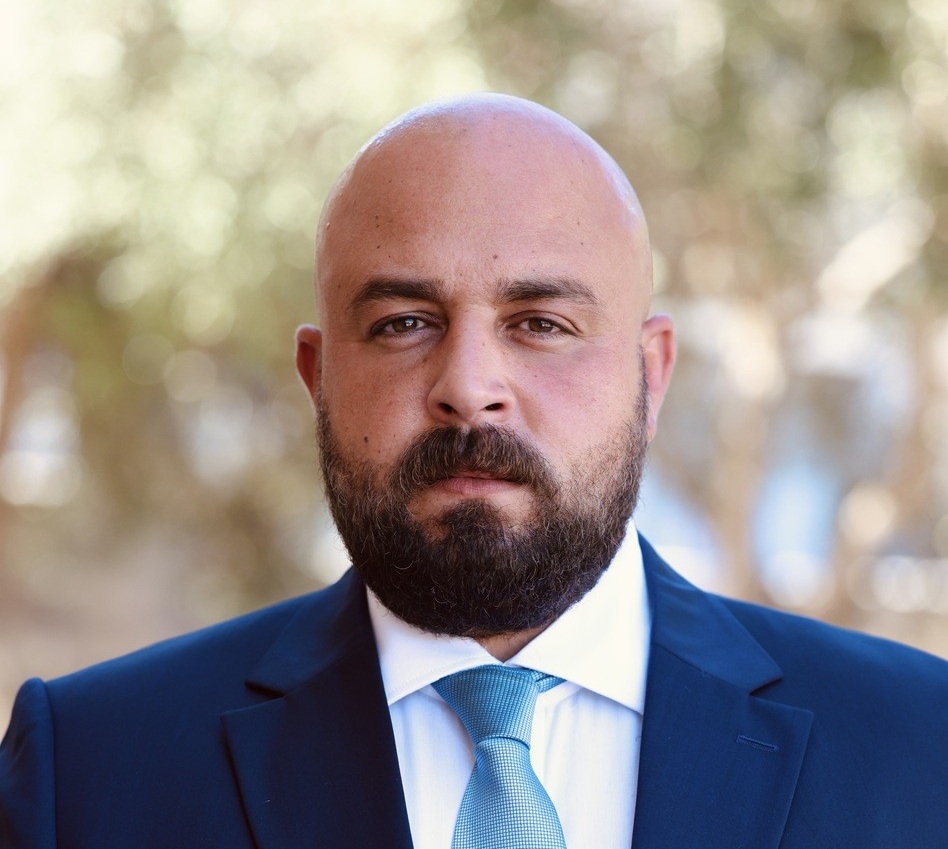
Charlton Falzon Cascun appointed LESA CEO
He had served in the Armed Forces of Malta and the Police Force for a number of years.

‘Final piece of the jigsaw’ – Malta Film Commissioner on land-sea super stage
A new tender is seeking a major redevelopment of the Kalkara film studios.
