


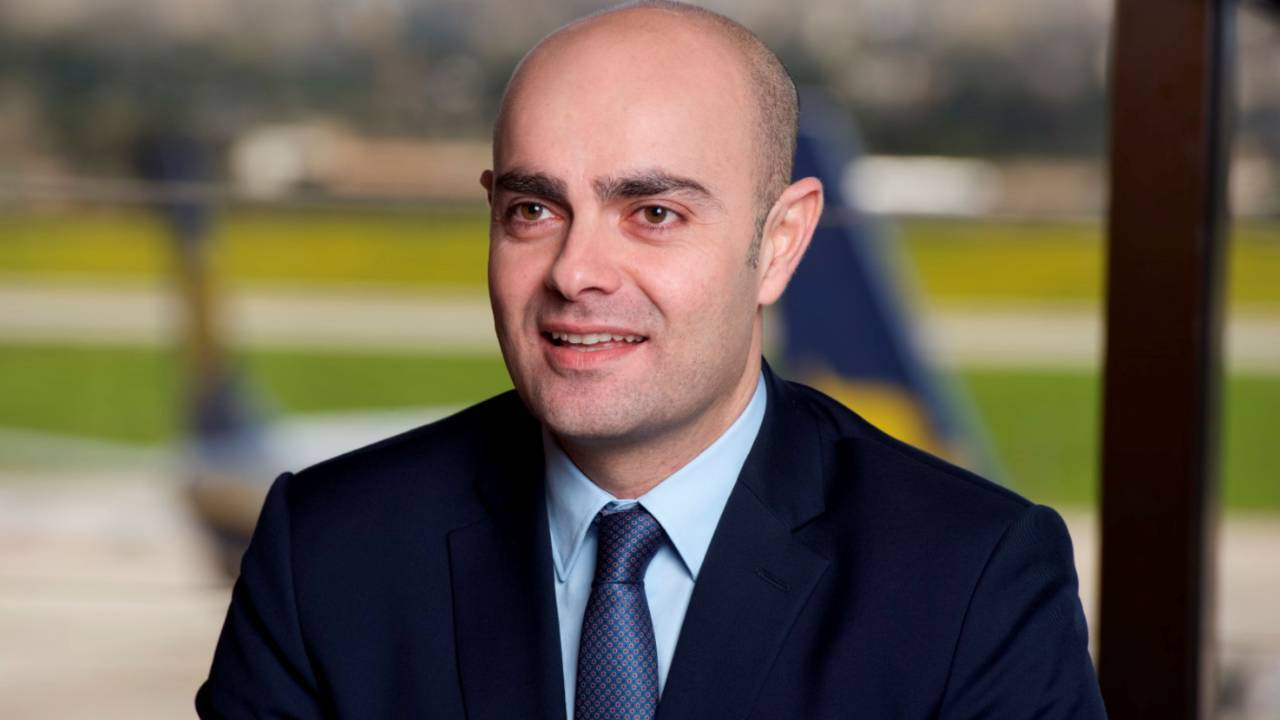
Malta Internationa Aiport (MIA) Alan Borg has outlined the airport's commitment to becoming one of the best in Europe, in the lead-up to the 30th anniversary of the inauguration of the airport's terminal building in Gudja.
February 9th marks an important milestone in MIA's history, as the terminal building sees the start of its thirtieth year in operation. Over the past three decades, millions of passengers – 75 million since the airport’s privatisation in 2002 – have walked through the terminal’s doors.
“Despite the uncertainty that continues to surround our industry, we feel that this anniversary provides us with an opportunity to revisit - together with the public - the people, the moments, the investments and the challenges that turned the past 30 years into a remarkable journey. We also hope to get people excited for what lies ahead for the airport and air travel, as we re-affirm our commitment to recover from the blows of COVID-19 and continue to focus on making our airport one of the best in Europe,” said Mr Borg said.

The inauguration of the terminal building in 1992 had heralded an exciting era for the local aviation industry and tourism. The building, which was constructed over two years with an investment of around Lm12 million, was designed to cater for future traffic growth, with the aim of eventually handling 2.5 million passengers annually.
The terminal’s continuous evolution, particularly through an investment of more than €30 million in two extensions together with a more recent €12 million reconfiguration, allowed MIA to welcome almost three times as many passengers as the number that was being eyed back in the nineties, in 2019 alone. Malta International Airport had ended what was an exceptional year with a record 7.3 million passengers, of which 2.8 million were tourists, before the COVID-19 pandemic slashed this number in 2020.
Over the past years, MIA has continuously grown, with the current workforce currently totalling around 7,000 employees. While a number of individuals are directly employed by the company that operates the airport, the majority work with companies and entities that provide support services ranging from cleaning and ground handling, to passenger security screening and passport control.
In 2022, the terminal will be getting a completely revamped Food Court boasting an elevated aesthetic and a much wider food offering. The Food Court on Level -1 was originally introduced inside the terminal in 2009, when an extension had brought about major improvements to the facilities and given the airport façade the iconic look it still has today. Another project that is set to transform part of the terminal building over the coming months is the expansion of the Customs Area, with the aim of enhancing the guest experience at this point of the airport journey.
Two other projects that are in the pipeline and which will allow for further growth, both in terms of passenger traffic and the company’s retail and property portfolio, are the development of Apron X and the construction of SkyParks 2.

Edward Calleja steps down as APS Bank COO
Edward Calleja has been at the bank for over 34 years and has occupied several roles.
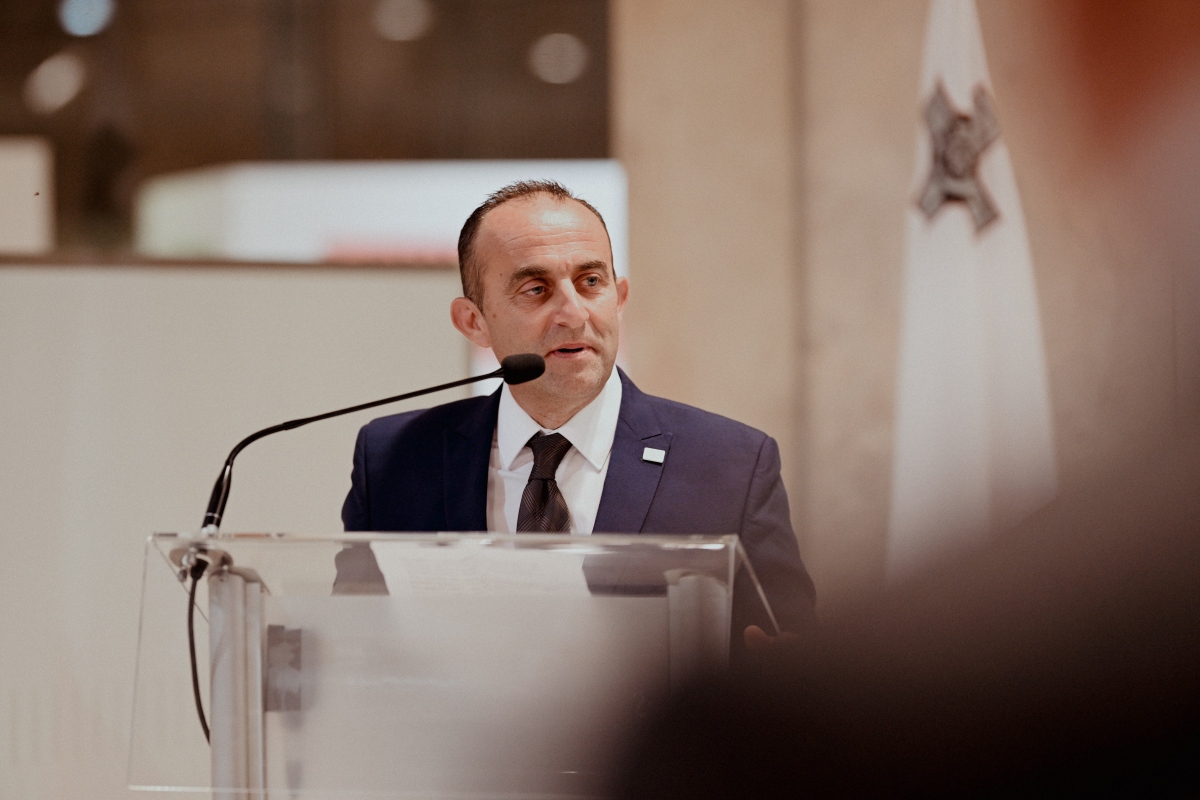
Are Maltese farmers being heard in Brussels? Malta Food Agency CEO raises concerns
'The dry situation that we had in Europe this year is alarming.'
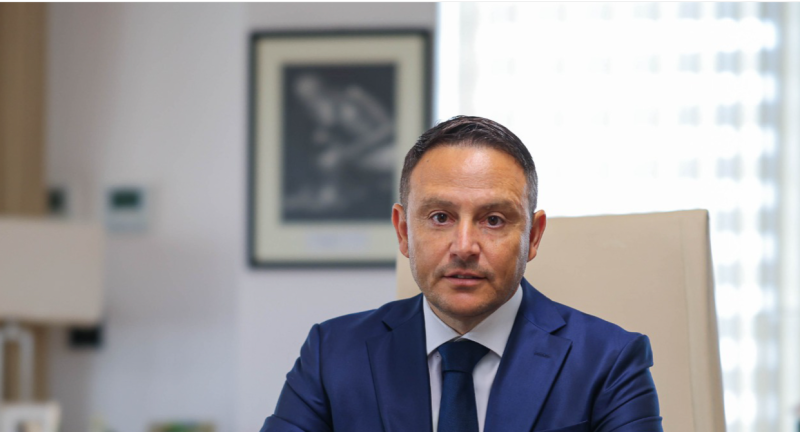
Malta Ship Registry’s positive reputation ‘stood out’ at Monaco Yacht Show – TM CEO
Leonid McKay said the Monaco Yacht Show highlighted the strong regard for the Malta Ship Registry.

What can business leaders wear this autumn? 10 workplace trends for autumn 2026
For Fall/Winter 2026 old trends are being re-imagined.
