


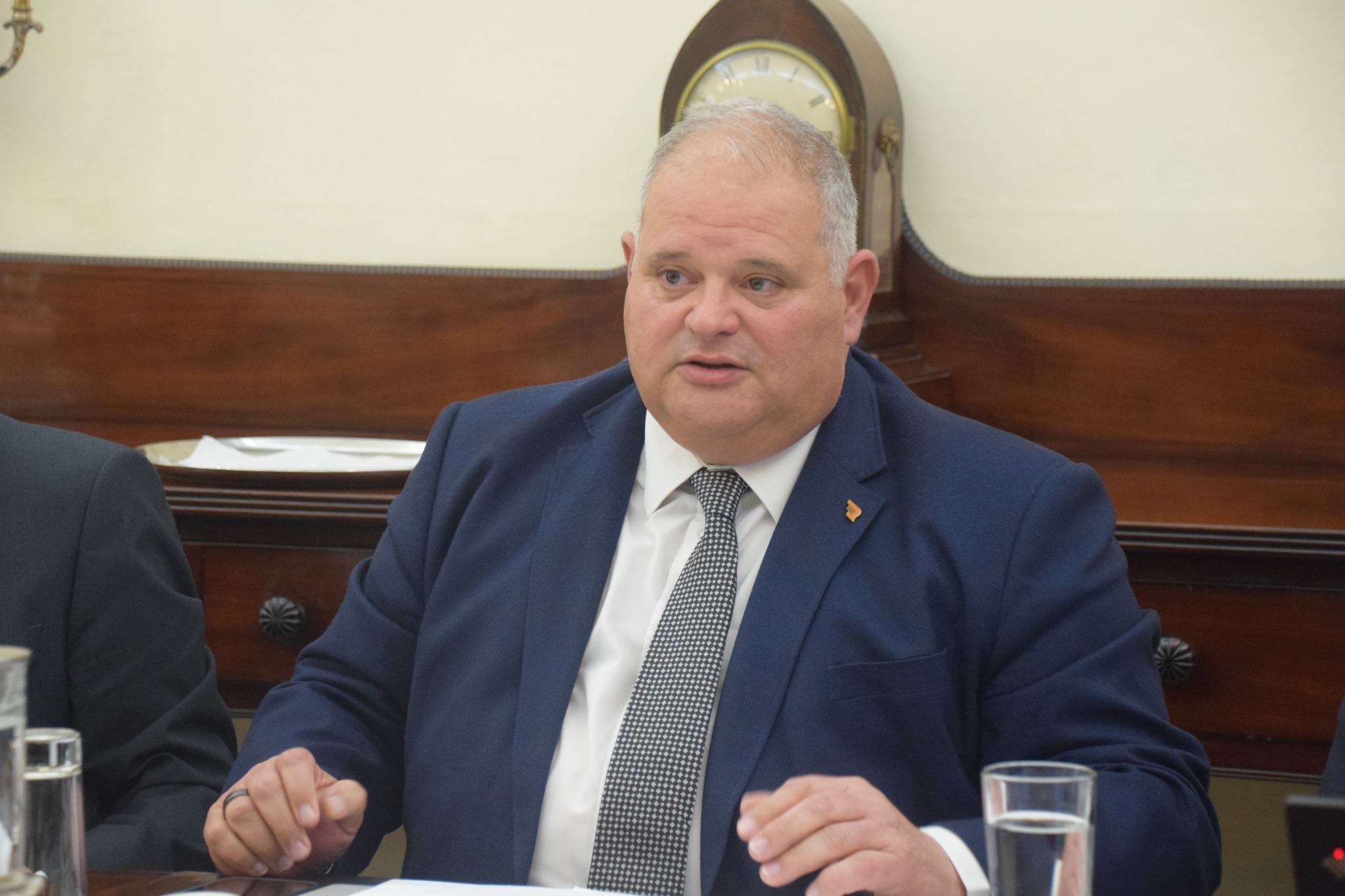
Malta remains attractive to investors, “but attractiveness must never become an excuse for complacency,” Malta Chamber of Commerce President William Spiteri Bailey said during the EY Future Realised Conference 2026.
Last year, 79 per cent of investors considered Malta attractive for foreign direct investment. This year, that rises to 81 per cent, he said, quoting EY’s Attractiveness survey.
“That is encouraging. But our responsibility is not simply to celebrate the headline. It is to understand what lies beneath it.”
He said that Malta is still attractive despite some of its weaknesses. “We must now make Malta attractive because of its strengths. Second, we must confront the limits of our current economic model.”
While Malta has achieved exceptional growth, he said, the Malta Chamber’s analysis shows that most of that growth came from increasing the workforce, while only a very small share came from productivity.
“What served us yesterday will not necessarily sustain us tomorrow. We are a small island. Land, infrastructure and human resources are finite. The next chapter of Malta’s growth must therefore be about value, not volume.”
He said that infrastructure is no longer merely an inconvenience. “It is an economic constraint.”
He mentioned traffic congestion, overloaded roads, pressure on utilities and inadequate planning as all carrying a direct cost to business.
“When infrastructure cannot keep pace with economic growth, infrastructure eventually becomes a brake on economic growth.”
Mr Spiteri Bailey also said that skills remain one of the clearest warning signs.
“This year, 69 per cent of investors say they still cannot find the specialised skills they need locally. But this is not only a labour market problem. It is also an education problem.
He said that Malta remains below the OECD average in science, reading and mathematics. “Since 2022, our score has fallen by 13 points in science, 27 in mathematics and an alarming 31 in reading. Almost three in every ten Maltese 15-year-olds are low performers across all three core subjects,” he said, referring to the PISA 2025 results.
He said that Malta cannot speak about becoming a high-value, knowledge-based economy while accepting weakening educational foundations.
“Our competitive advantage cannot simply be access to labour. It must be access to talent.”
He also stressed the need to embrace technology far more aggressively.
AI is now seen by investors as the sector with Malta’s greatest long-term growth potential, he said. “But AI cannot simply become another economic niche. It must raise productivity across our economy – and Government must lead by example.”
He said that digitalisation must simplify regulation, speed up permitting and remove unnecessary bureaucracy.
“Technology that does not improve productivity is merely technology.”
The Malta Chamber President said that Malta must distinguish short-term confidence from long-term conviction.
“Around 90 per cent of investors intend to maintain or expand their Malta operations over the next year. Yet only around 60 per cent can confidently say they expect to still be here in ten years. That gap matters. Serious investors do not think in twelve-month cycles. They think in decades.”
He said that Malta’s challenge is not simply attracting investment today, but rather that it is giving investors enough confidence to choose Malta again tomorrow.
Mr Spiteri Bailey also said that quality of life and competitiveness can no longer be treated separately.
“Housing, mobility, the environment, planning, governance and public services all affect our ability to attract investment and talent. Quality of life is not separate from economic policy. Quality of life is economic policy.”
Lastly, the Malta Chamber President highlighted issues with Malta executing strategies.
“Malta does not suffer from a shortage of strategies, reports or visions. What we need now is delivery.” Here, he mentioned delivery on infrastructure, skills, productivity, governance and digitalisation.
He said that the time between identifying a problem and solving it has become far too long. “The 81 per cent attractiveness figure tells us Malta still has considerable strengths. But confidence must be earned every year. Our ambition cannot simply be to remain attractive. It must be to become more competitive, more productive and more sustainable.”

‘Man and machine, not man versus machine’ – Malta Employers’ Association DG on AI use
The association has made a number of proposals for the upcoming Budget related to AI.
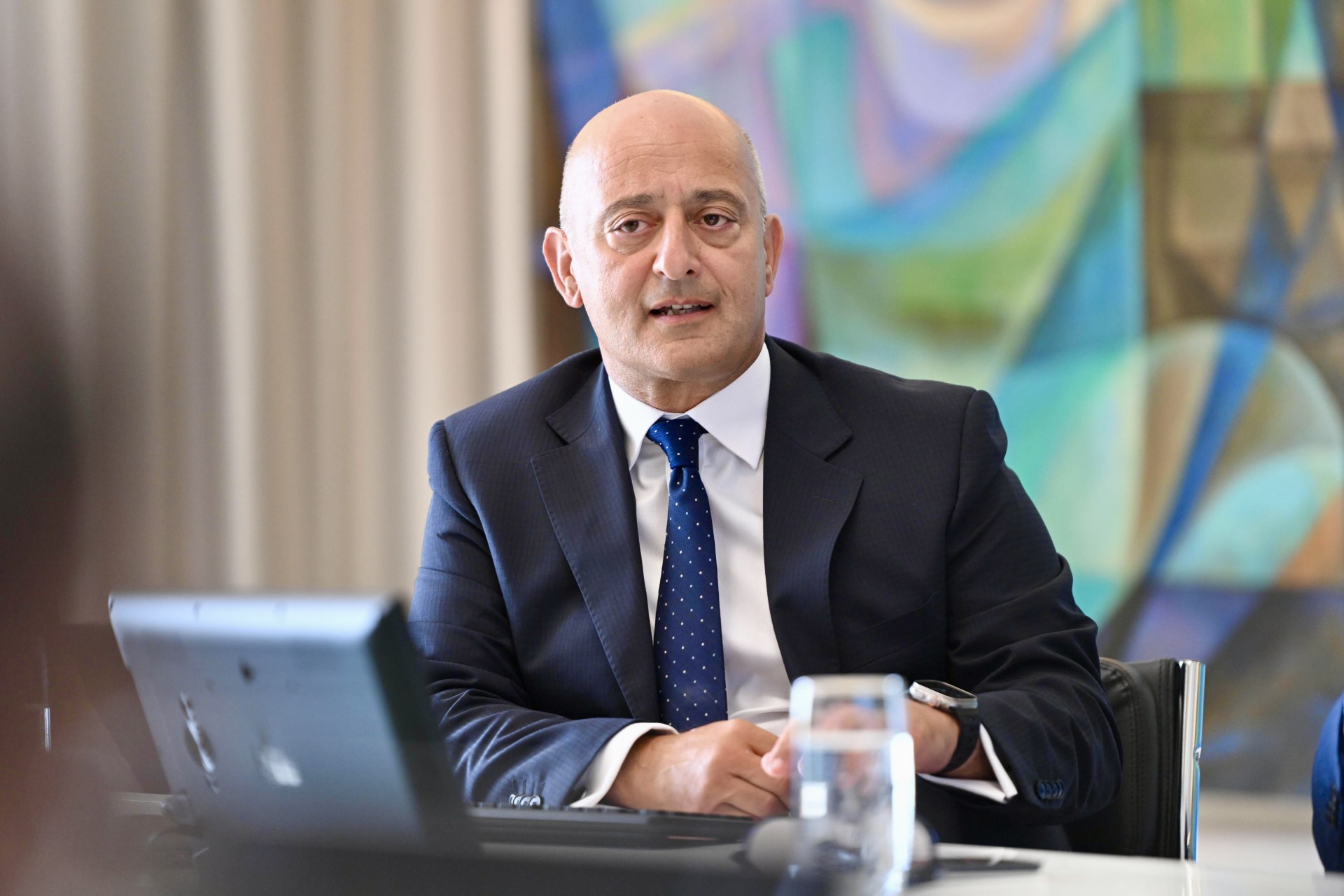
BOV CEO: Traffic congestion affecting employees’ work-life balance, but not bank operations
One in four BOV employees made use of flexible working arrangements in 2025, as the bank seeks to minimise the ...
Businesses should heed the lesson in Revolut’s nightmare Tuesday
Melita’s Roderick Farrugia and BMIT’s Sean Cohen urge companies to review their vulnerability to single points of failure.
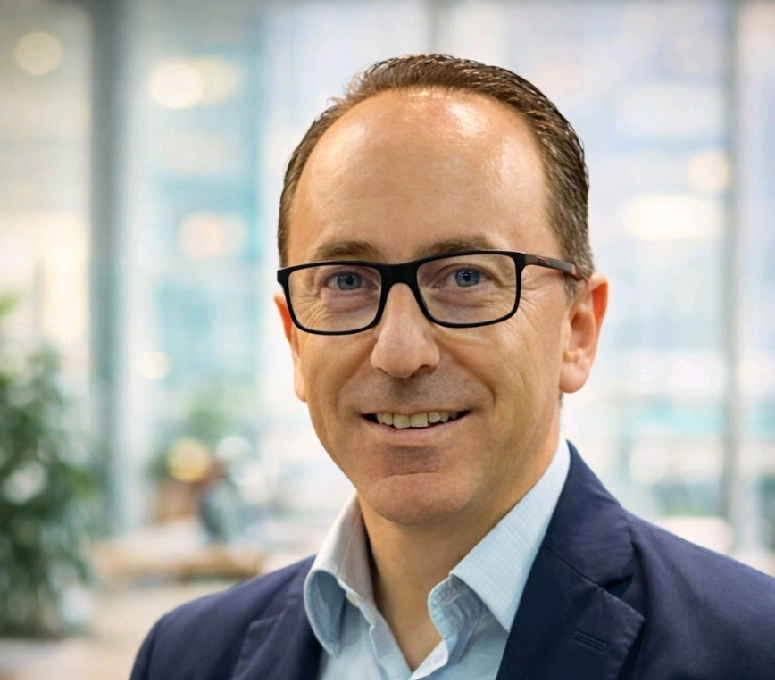
Andy Tanti appointed Chief Commercial Officer at the Ramla Bay Resort
Up until recently, he worked as a commercial manager at the same hotel.
