



Hili Ventures has appointed Michael J. Agius as Director of Real Estate, Mergers and Acquisitions.
Mr Agius joined Hili Ventures in 2021 as Director of Finance (Major Projects). After three years in this role, he was promoted to Director of Mergers and Acquisitions, and now, following just over a year in that position, Real Estate has been added to his portfolio of responsibilities.
In January 2024, he was appointed Non-Executive Director at Tigné Mall plc. Hili became the second-largest shareholder in Tigné Mall following a transaction valued at approximately €6 million completed in October 2023.
Prior to joining Hili Ventures, Mr Agius spent seven years at Grant Thornton Malta, where he held a variety of positions, including Senior Manager in Transaction Advisory Services.
During his career, he has amassed extensive experience in corporate finance, valuations, financial modelling and business advisory.
Mr Agius is a Certified Public Accountant and a member of the Malta Institute of Accountants. He holds a Bachelor’s degree in Economics and a qualification from the Association of Chartered Certified Accountants.
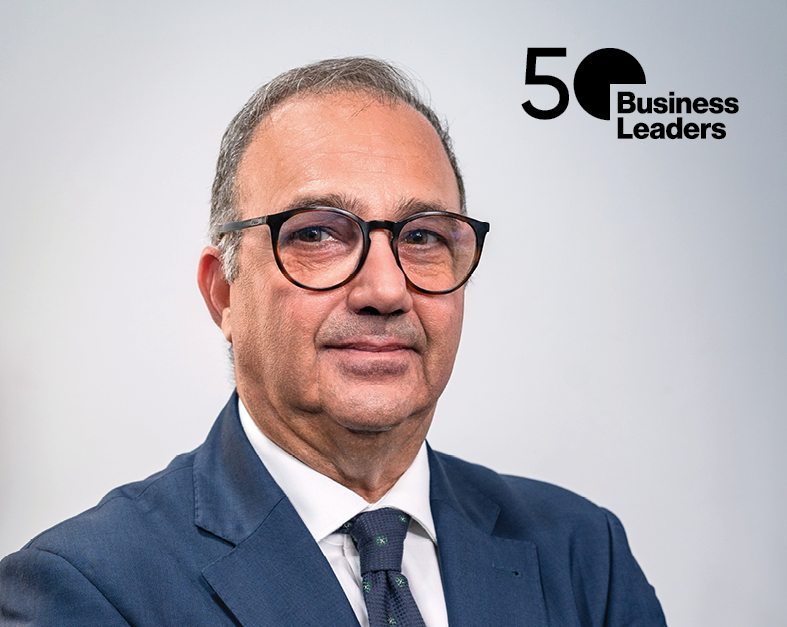

Michael Stivala re-elected MDA President, calls for better forward planning
'Malta urgently needs better forward planning, particularly in infrastructure, transport, utilities and community facilities.'

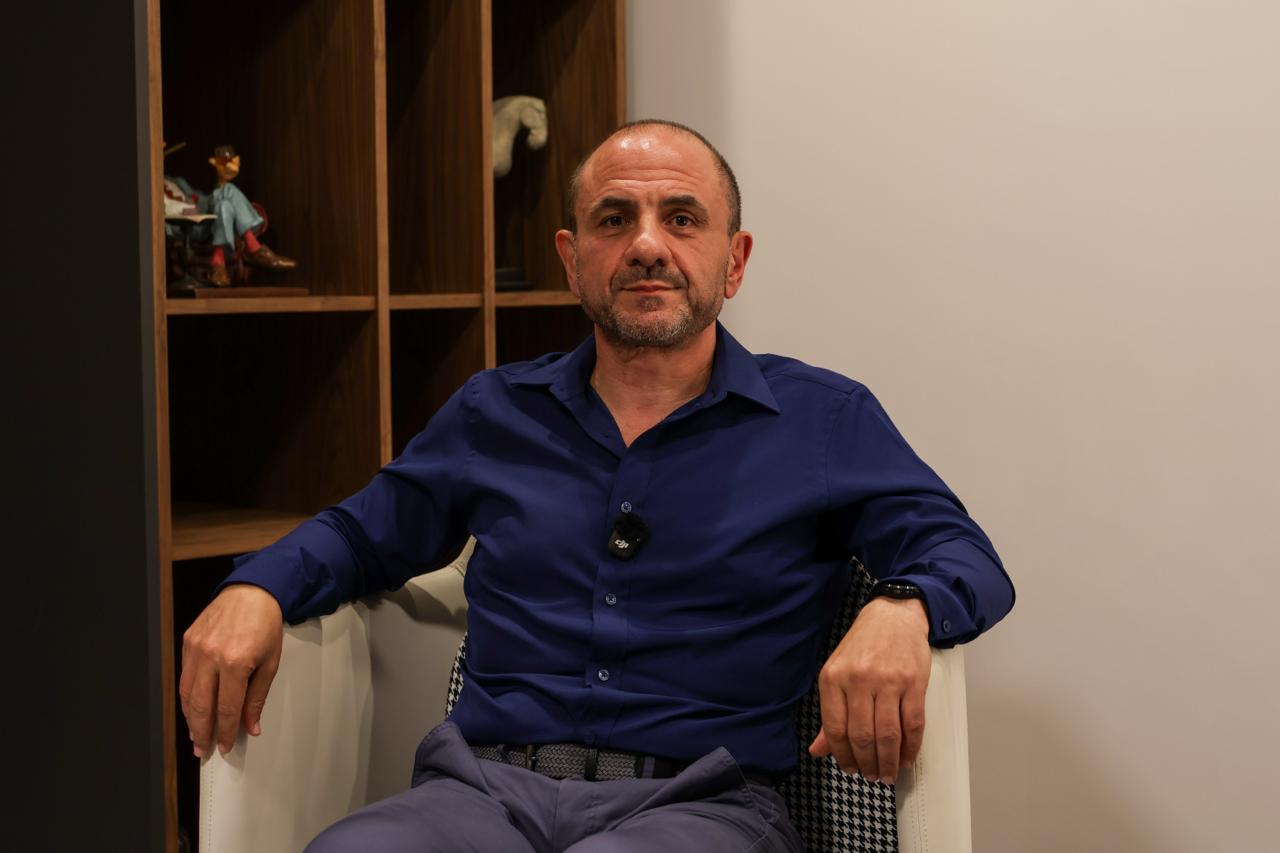
Effective leadership ‘starts with listening’, says ETERNA Group’s Priya Lakshmanan
Priya Lakshmanan, newly appointed Chief Strategy and Optimisation Officer at ETERNA Group, speaks about the leadership qualities needed to drive ...
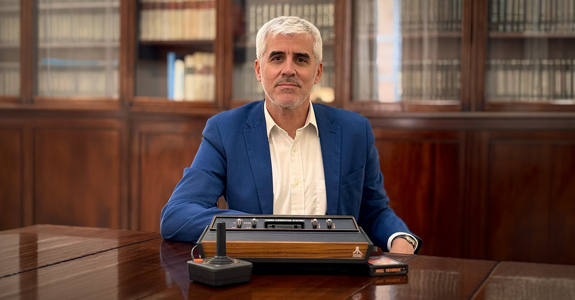
Fenech & Fenech Advocates appoints Antonio Ghio as Chief Innovation and Technology Officer
Antonio Ghio is an IT Law expert and has been with the firm for the past 25 years.
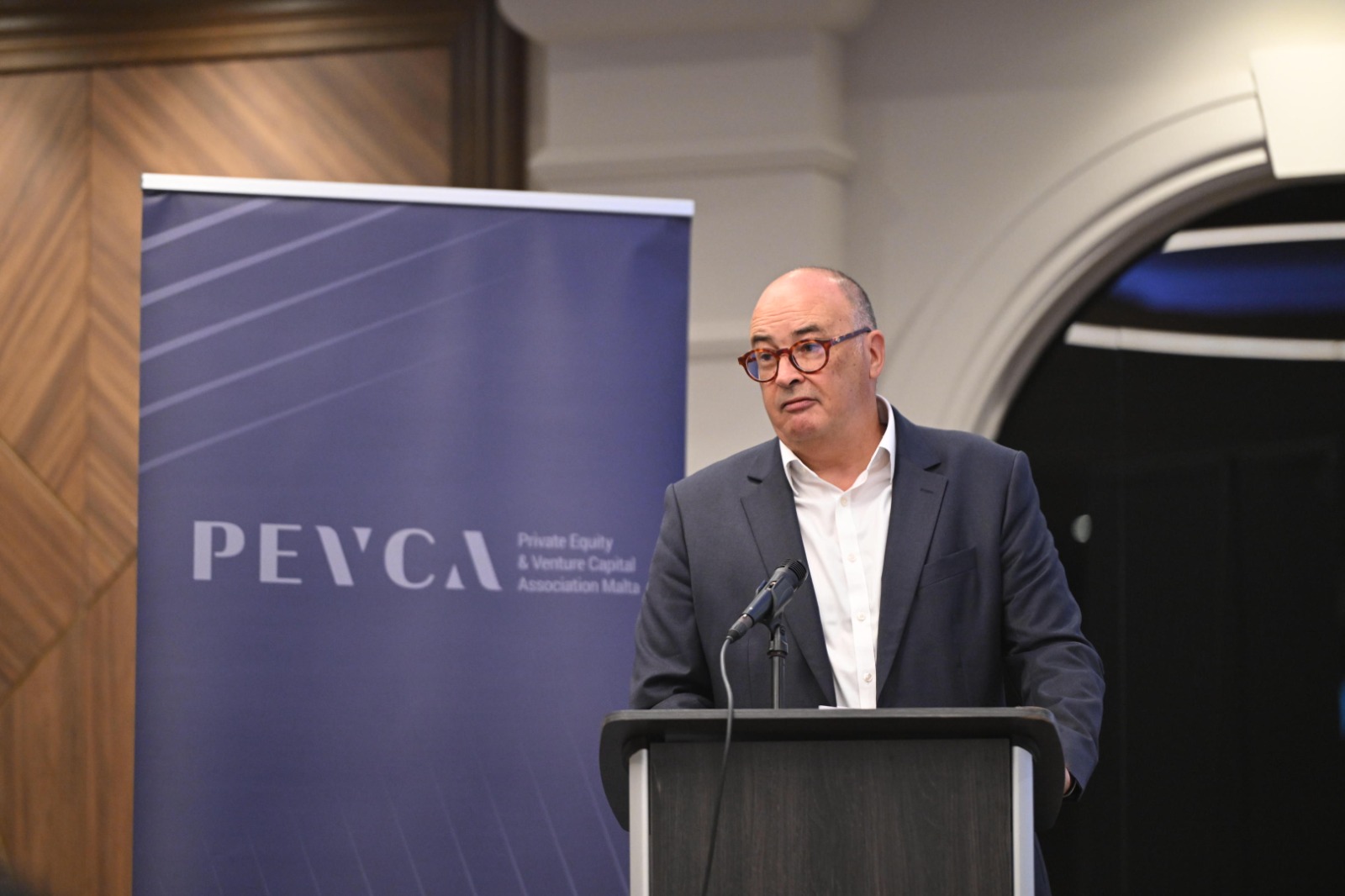
‘Considerable potential’ for Malta to develop as a private equity and venture capital hub – PEVCA head
He said that private equity and venture capital play a vital role in modern, innovation-driven economies.
