



On World Autism Awareness Day, Christine Hili, Head of Human Resources at Rootz LTD, highlighted the importance of going beyond awareness to encourage real inclusion for individuals on the autism spectrum.
While recognising the strengths and perspectives of neurodiverse individuals is essential, true inclusion means actively creating environments where they can thrive.
What does inclusion look like?
As Christine points out, inclusion goes beyond acknowledgment; it’s about valuing different ways of thinking, offering tailored support, and addressing accessibility. This means providing flexibility and focusing on strengths rather than limitations. By embracing neurodiverse talent, companies can benefit from fresh perspectives, strong attention to detail, and innovative problem-solving skills.
How employers can create a neurodiverse-friendly workplace
Create structured and predictable work environments
Many autistic individuals thrive in structured settings with clear expectations. Employers can support them by offering detailed task instructions, predictable work schedules, and minimising last-minute changes when possible.
Offer sensory-friendly workspaces
Some individuals on the spectrum may be sensitive to bright lights, loud noises, or busy office layouts. Providing quiet work areas, noise-cancelling headphones, or allowing remote work options can significantly improve comfort and productivity.
Provide clear and direct communication
Being explicit with instructions and expectations can help autistic employees navigate the workplace more effectively. Visual aids, written communication, and direct feedback can be useful tools.
Promote awareness and training
Educating managers and employees about autism can help break down misconceptions and foster a more understanding and inclusive culture. Training programs can equip teams with the knowledge to support neurodiverse colleagues effectively.
By implementing these changes, companies can move from simply raising awareness to taking action, ensuring workplaces are welcoming, accessible, and empowering for all employees.

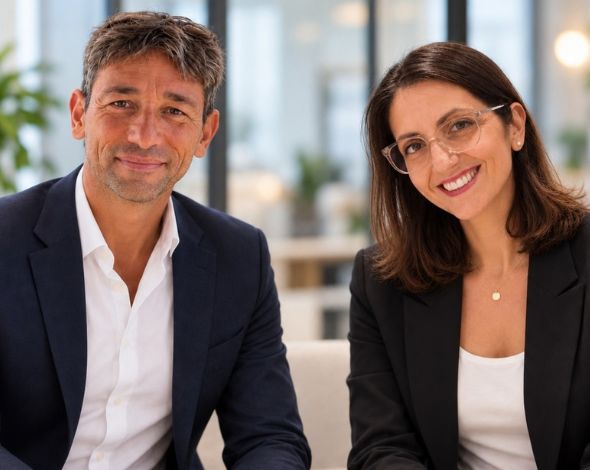
Nathan Farrugia and Mireille Muscat set up leadership peer network
'Leadership can become surprisingly isolating long before someone reaches the C-suite'.

Mistakes CEOs regret and how to avoid them
Many CEOs look back and wish they had done things differently.
The balance between vision and management in founder-led businesses
In founder-led businesses, effective management depends on balancing entrepreneurial instinct with the structure needed for sustainable growth.

How CEOs and HR leaders can support employees through political tension
Maintaining a respectful, psychologically safe, and productive workplace during a highly polarised period
