


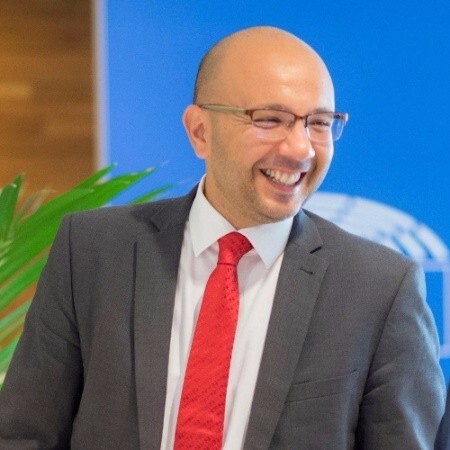
The Nomad Residence Permit scheme is proving to be a highly effective way to attract quality foreign residents who work remotely from Malta, according to Residency Malta Agency CEO Charles Mizzi
Mr Mizzi was speaking at a press conference on Wednesday held by the Secretariat for Citizenship and Communities.
“To date, we have received 180 applications, an average of one each working day. We also received hundreds of queries, which we hope will translate into applications at a later stage, especially once COVID-19 travel restrictions ease,” Mr Mizzi said, adding that the majority of applicants have an average income of €60,000 a year and have a degree of some kind.
In terms of demographics, the majority of applicants are from the UK and the USA, have an average age of 37 and are predominately male.
To be eligible for the scheme, applicants must be non-EU individuals with a gross monthly income threshold of €2,700. They must prove they are contracted to work remotely by a company based overseas, show that they run their own business or offer freelance services to clients based abroad.
Before becoming Residency Malta Agency CEO in 2019, Mr Mizzi was the Chief Communications & Business Development Officer for Malta's Individual Investor Programme.


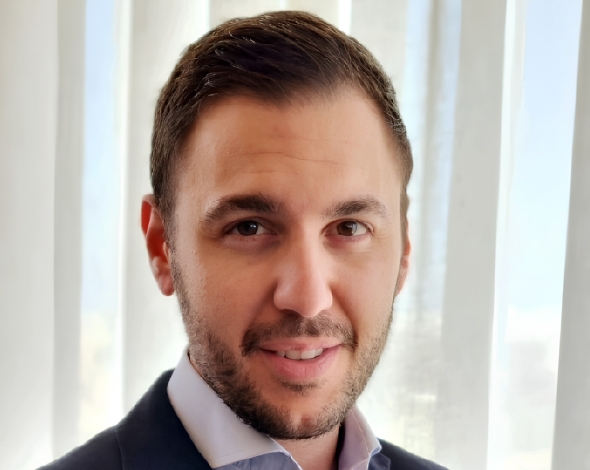
Jamie Galea appointed Director of Account Management at Mastercard
Prior to this post, he worked in business development
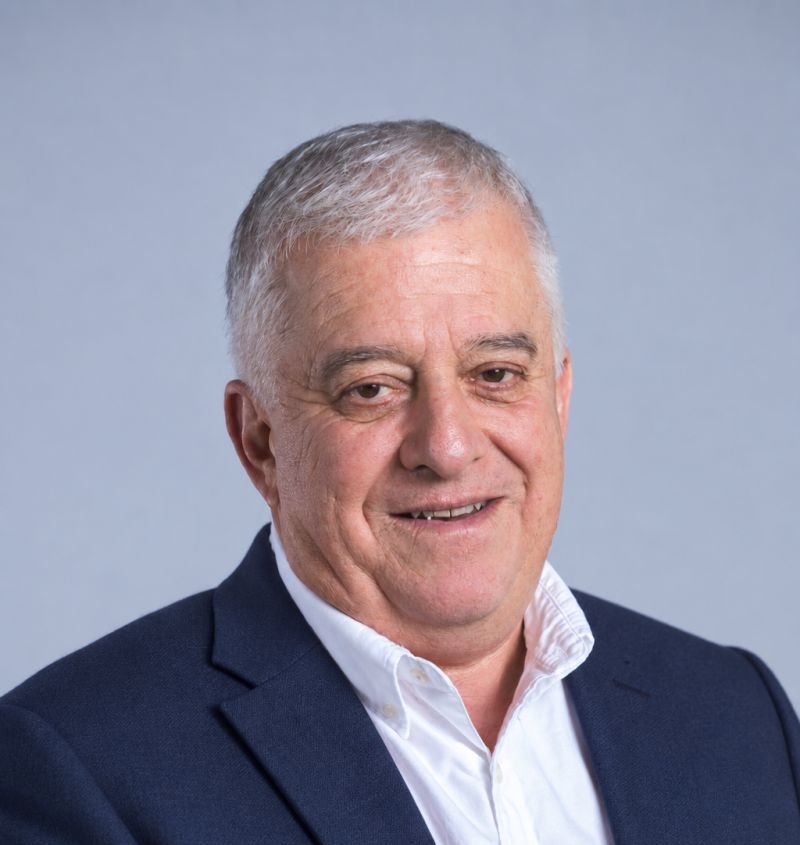
David Valenzia appointed to Salvo Grima Group’s board of directors
David Valenzia has considerable experience in assisting with business development projects and corporate restructuring.

Nathan Farrugia completes 2,000km East Africa cycling challenge in aid of renal patients
From Mombasa, Kenya, to Kigali, Rwanda.
WATCH: Service charge must go to employees, not help cover costs, catering association President says
If a service charge is included, it should be written clearly on the menu, she says.
