



In a result that will likely be relatable to many in top-level positions, a new survey shows that people who earn more tend to be less satisfied with how they use their time than those who earn less.
This dissatisfaction with how they use the limited hours available each day does not, however, seem to carry over into other areas of life, where they report being more satisfied with their overall life, financial situation, current job and even personal relationships, when compared to those to earn less.
The EU Statistics on Income and Living Conditions set of data prepared by Eurostat shows that people in Malta are generally content with their life overall, and are particularly satisfied with their personal relationships, which registered a score of 8.6 (on a scale from 1 to 10, with 10 being most satisfied).
The lowest two score were registered when it came to respondents’ financial situation and their use of time, with both getting a score of 6.8.
However, the two scores showed opposite relations to income level. With regard to financial situation, as would be expected, those on higher incomes reported being much more satisfied than those on lower incomes.
But this relationship was inverted when it came to their use of time, where respondents on the highest level of equivalised income (over €24,401 per annum) reported less satisfaction with their use of time than those on the lowest income band (under €12,165).
The working age population also reported being considerably less happy with their use of time than the young or the elderly. People over 65 – that is, past retirement age – said they were most satisfied with how they spend their time (7.9), followed by the cohort between the ages of 16 and 17 (7.6).
There is a significant drop down to the next age range, that between 18 and 29 (6.7), while those between 30 and 64 reported the least satisfaction of any group (6.4).


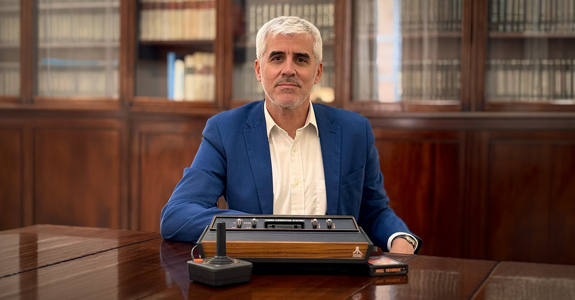
Fenech & Fenech Advocates appoints Antonio Ghio as Chief Innovation and Technology Officer
Antonio Ghio is an IT Law expert and has been with the firm for the past 25 years.
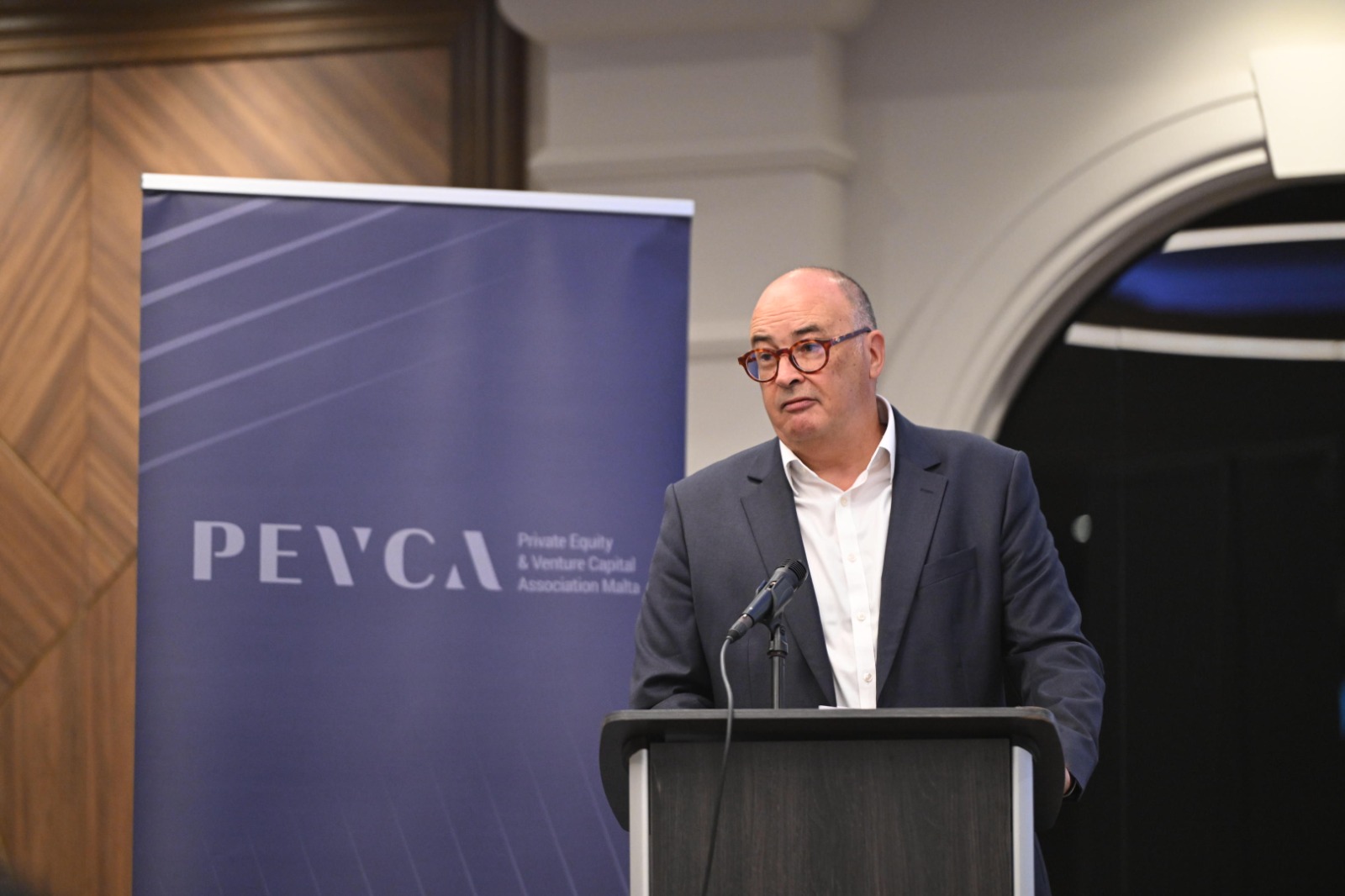
‘Considerable potential’ for Malta to develop as a private equity and venture capital hub – PEVCA head
He said that private equity and venture capital play a vital role in modern, innovation-driven economies.

Nancy Pavlaki appointed Chief Financial Officer at Ramla Bay Resort
Prior to taking up the post, she worked in a number of financial positions in the hospitality industry.

Kyle Antoni Pace Cumbo appointed Chief Commercial Officer at Iniala
'I’m incredibly excited about what comes next,' he said.
